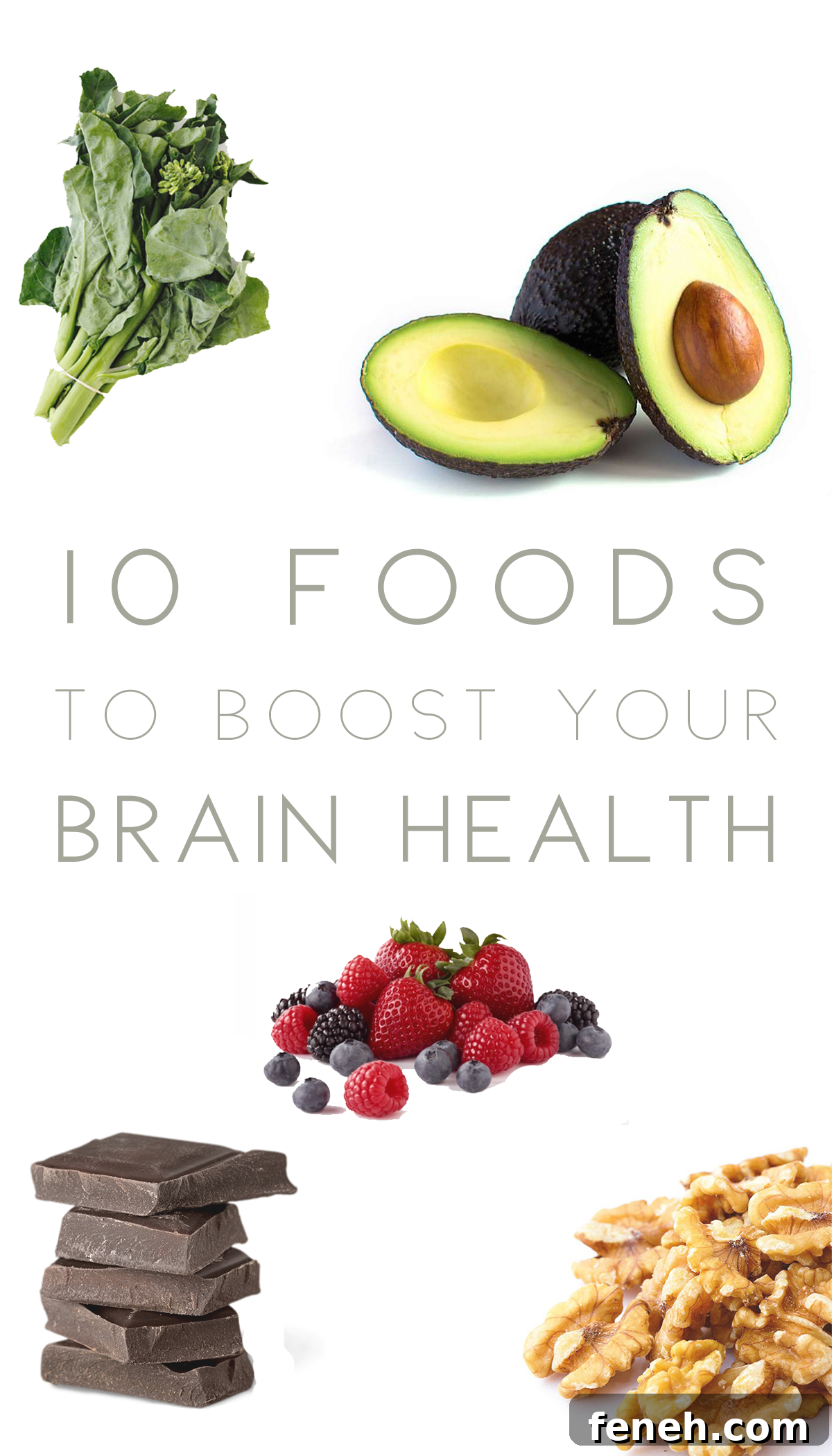
Who knew the foods we eat have a direct influence on gut health, mood, and especially brain function? Plenty of research supports this. Below are ten brain-boosting foods (in no particular order) that you can start adding to your diet. These options help fight inflammation and are rich in antioxidants, vitamins, healthy fats, minerals, and other important micronutrients.

1. Walnuts
Walnuts are an excellent source of healthy fats — monounsaturated, polyunsaturated, and omega-3 fatty acids — which play key roles in central nervous system development and function. Omega-3s are essential because the body cannot make them; they must come from food. Walnuts also supply iron, selenium, zinc, vitamin E (linked to reduced Alzheimer’s risk), and B vitamins. Regular walnut consumption has been associated with healthier blood pressure and cholesterol levels. A small handful makes an easy, nutrient-dense snack.

2. Bone Broth
Bone broth is nutrient-dense: a cup typically provides 7–10 grams of protein, along with gelatin for skin and connective tissue health, glycine for liver support, glutathione (a potent antioxidant), and several amino acids that help reduce inflammation. It has been used for generations as a restorative food and is gaining renewed popularity. Bone broth also supplies minerals like calcium, phosphorus, magnesium, and potassium, and can support the immune system. It’s a versatile, nourishing addition to many meals.
Listen to podcasts and recipes about bone broth to explore ways to prepare and use it regularly.

3. Extra Virgin Olive Oil
Extra virgin olive oil (EVOO) is a staple of Mediterranean diets and an outstanding brain food. Rich in monounsaturated fats and oleic acid, EVOO helps reduce markers of inflammation and supports memory and learning. Regular use is associated with lower risk of cardiovascular disease and stroke, and populations consuming Mediterranean-style diets tend to show better cognitive function and reduced Alzheimer’s risk. Use EVOO daily in dressings, on vegetables, or for light cooking to gain its benefits.
Choose high-quality, cold-pressed extra virgin olive oil and store it in a cool, dark place to preserve its properties.

4. Dark Chocolate (Cacao)
Choose high-quality dark chocolate with a high cacao percentage (72% or greater) to gain the most benefits. Dark chocolate is rich in flavanols and other antioxidants that reduce inflammation and improve blood flow to the heart and brain. It also provides minerals like iron, copper, zinc, magnesium, and phosphorus. Avoid highly processed bars with lots of added sugars; natural sweeteners such as coconut sugar, honey, or maple syrup are preferable when possible.
Enjoy dark chocolate in moderation as a satisfying, antioxidant-rich treat.

5. Egg Yolks
Eggs are nutrient-dense, and the yolks contain much of their brain-supporting value. Yolks are rich in choline, a nutrient essential for brain development, cell structure, liver function, and cognitive health. Many people do not get enough choline in their diets. Two large egg yolks provide roughly half the daily recommended intake of choline. Egg yolks also contain lutein, which crosses the blood-brain barrier and accumulates in brain regions associated with cognitive function, offering antioxidant and neuroprotective benefits. If you avoid eggs, consider a choline supplement; if you eat eggs, choose organic, pasture-raised options when possible.

6. Salmon
Wild-caught salmon is an excellent source of DHA, an omega-3 fatty acid that makes up a large portion of brain fat. Adequate, long-term DHA intake is linked to better memory, improved learning, and slower cognitive decline. Prefer wild-caught Alaskan salmon over farmed varieties, as wild fish tend to have a richer nutrient profile and deeper color. Other fatty fish like mackerel, sardines, tuna, and halibut also supply omega-3s. If you don’t eat fish, consider a high-quality fish oil supplement to meet omega-3 needs.
7. Avocado
Avocados are a nutrient-dense fruit rich in monounsaturated fats, fiber, folate, vitamin K, potassium, and glutathione. The healthy fats promote blood flow to the brain and offer anti-inflammatory effects. Folate and vitamin K help prevent blood clots and support cognitive function, while potassium helps regulate blood pressure. Glutathione and other bioactive compounds in avocado provide antioxidant and potential anti-cancer properties. Add avocado to salads, smoothies, or simply enjoy it mashed on toast.

8. Turmeric
Turmeric’s primary active compound, curcumin, has powerful anti-inflammatory and antioxidant properties. Curcumin supports immune function and can improve oxygen use in the brain. Pairing turmeric with black pepper increases curcumin’s bioavailability. Research suggests curcumin may improve memory and cognitive function and reduce inflammation and oxidative damage—factors involved in neurodegenerative conditions. Turmeric can be taken as a supplement, added to soups, smoothies, sauces, or used in golden lattes and spice blends.

9. Berries
Berries are low-glycemic fruits packed with antioxidants such as anthocyanins, ellagic acid, and resveratrol, which help neutralize free radicals and protect cells. Regular consumption of berries has been linked to protection against age-related memory decline, improved blood flow and oxygen delivery to the brain, and benefits for mood and short-term memory. Blueberries, strawberries, raspberries, and blackberries are easy to add to smoothies, yogurt, or oatmeal for a daily antioxidant boost.

10. Leafy Green Vegetables
Leafy greens are among the most beneficial foods to eat regularly. Spinach, kale, Swiss chard, arugula, and other dark greens are rich in folate, lutein, beta-carotene, vitamin K, and other nutrients associated with better cognitive function. Studies show that older adults who eat leafy greens daily tend to experience a slower rate of decline in memory and thinking skills compared with those who rarely eat these vegetables. If you’re not fond of whole greens, blend them into smoothies, soups, or sauces to increase intake effortlessly.
Incorporating these ten foods into a varied, balanced diet can support brain health, reduce inflammation, and provide nutrients that help maintain cognitive function over time. Small, consistent changes—like adding a daily handful of nuts, a serving of fatty fish a few times a week, or a cup of berries each morning—can add up to meaningful benefits for your brain and overall well-being.