Today we share 10 Must-Have Ingredients For Gluten-Free Pantry. If you are new to gluten-free living, this guide will help you begin cooking with confidence. Going gluten-free can feel overwhelming at first, but stocking your pantry with these ten essentials makes gluten-free cooking approachable and even enjoyable.
Where do you start when you love muffins, sandwiches, pizza, pasta and desserts? You can buy many commercial gluten-free comfort foods, but they’re often expensive and high in sugar, salt and refined starches. They rarely match the freshness, texture and flavor of homemade dishes. With a few pantry staples and a little creativity, you can make your favorite comfort foods at home and control ingredients and nutrition.
Once you stock these must-have ingredients, gluten-free cooking becomes much easier. You’ll be able to prepare pizza and pasta, muffins and bread, Southern fried chicken, and a variety of desserts that satisfy cravings without gluten.
Here is a list of top 10 ingredients that are essential for the gluten-free pantry
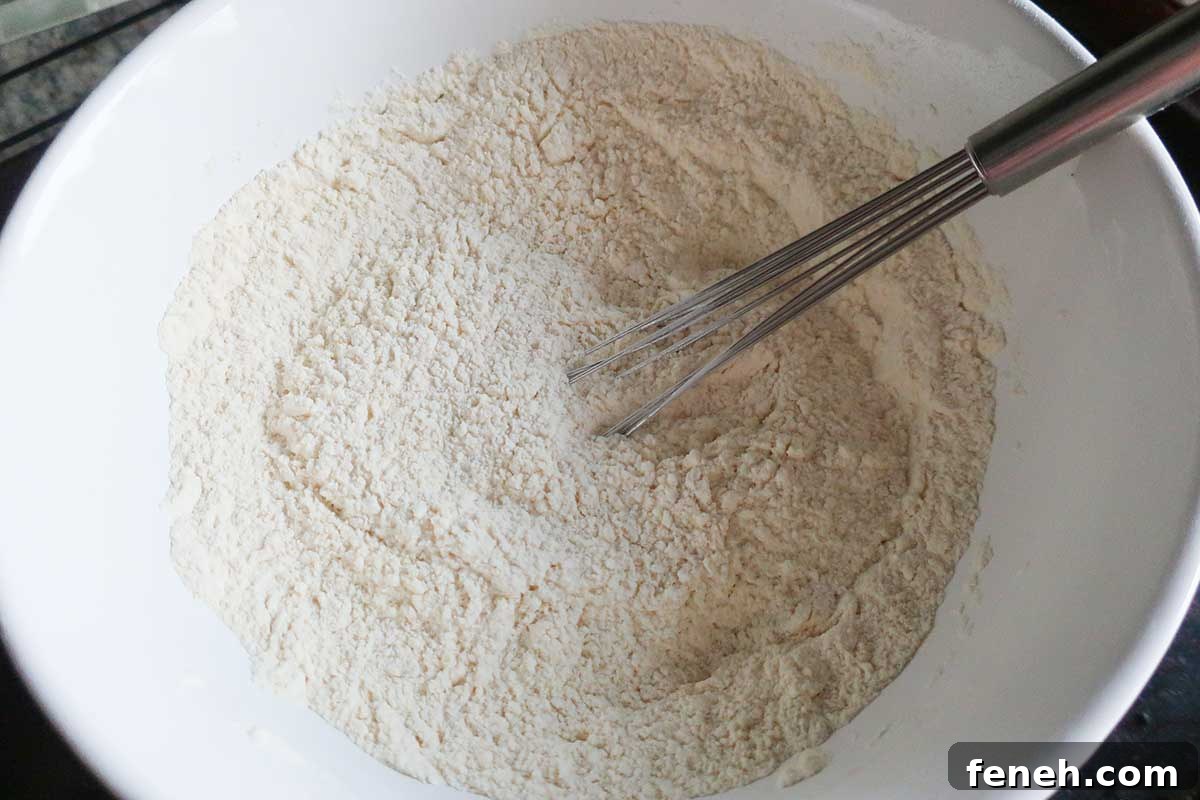
All-purpose gluten-free flour blend
An all-purpose gluten-free flour blend is a cornerstone for baking. Use it much like regular wheat flour in a wide range of recipes to simplify baking. Some commercial blends include xanthan gum, so check labels and skip adding extra gum when a recipe already calls for it. Note: all-purpose gluten-free flour does not thicken sauces and gravies as reliably as wheat flour, so keep a separate thickener like arrowroot or tapioca starch on hand.
Almond flour
Almond flour lends moisture and a mild nutty flavor to baked goods, and works well in recipes that typically use breadcrumbs, such as meatballs or meatloaf. It’s also nutritious and adds protein and healthy fats to recipes.
Starches
Starches are versatile thickeners for sauces, gravies and many baked goods. Common options include tapioca starch (tapioca flour), arrowroot starch (arrowroot flour) and potato starch (not potato flour). Corn starch is commonly used, but many people prefer arrowroot or tapioca because they are less likely to be genetically modified and often fit paleo-style diets better.
Xanthan gum
Xanthan gum helps mimic the elasticity that gluten provides, giving baked goods better structure and a bouncy texture. If your all-purpose blend already contains xanthan gum, you don’t need to add more; otherwise keep a small container on hand for recipes that require it.
Gluten-free noodles
Gluten-free noodles are essential for Italian and Asian dishes alike. Rice noodles are quick to prepare and hold up well without becoming mushy, while buckwheat noodles are a nutritious option when you want a heartier texture. For Italian-style pasta dishes, rice or rice-and-quinoa blends are reliable choices.
Gluten-free rice
Rice is a staple in many cuisines, but not all packaged rice guarantees gluten-free handling. Look for rice labeled gluten-free or rice sourced from countries where cross-contamination risk is low. Basmati and other Indian varieties are excellent for dishes from pilafs to rice pudding.
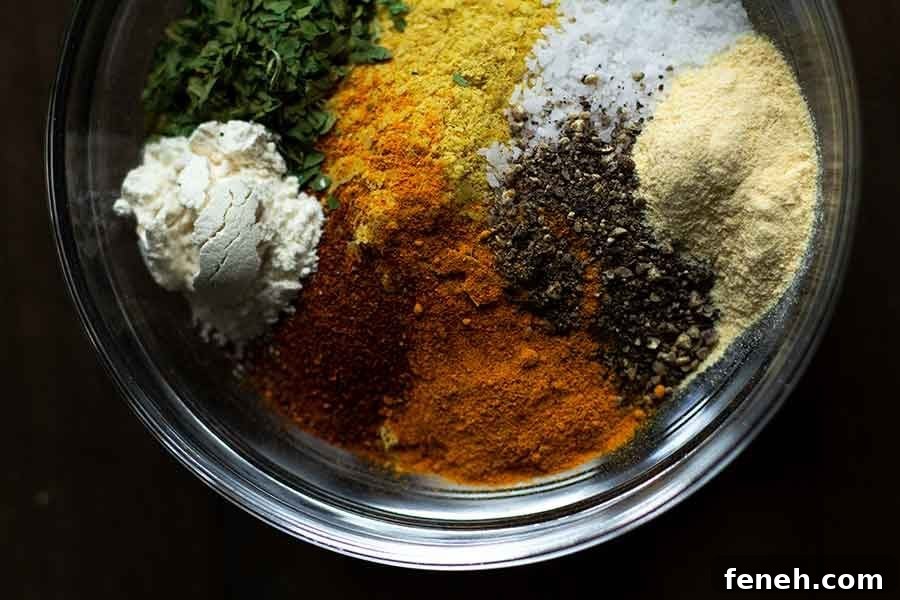
Spices
Spices themselves are naturally gluten-free, but cross-contamination can occur during processing. For peace of mind and better flavor, choose organic or certified gluten-free spices. They provide bright, reliable flavor and reduce the risk of hidden gluten.
Gluten-Free Chicken Stock
Store-bought gluten-free chicken stock is a convenient pantry essential for soups, stews, casseroles, gravies and sauces. Whenever possible, choose low-sodium or salt-free versions so you can control seasoning in recipes.
Gluten-Free Tamari Sauce
Pure tamari is a gluten-free alternative to soy sauce and is indispensable for Asian cooking and marinades. It also works well in dressings and vinaigrettes to add a savory depth of flavor.
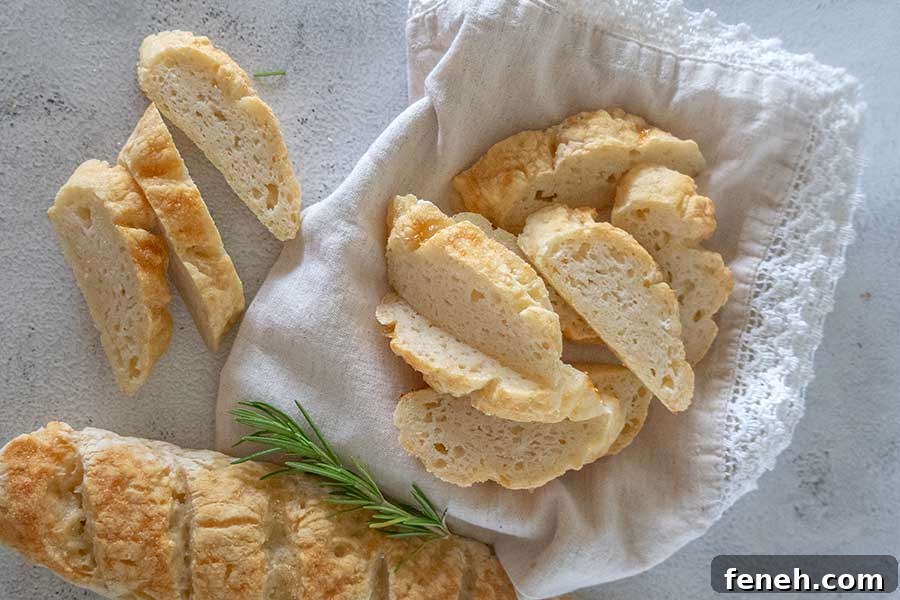
Gluten-Free Bread
Gluten-free bread is a pantry staple for sandwiches, French toast, garlic bread or making breadcrumbs. Keep a loaf or two in the freezer so you always have some on hand. While commercial gluten-free loaves can be expensive, baking your own is a good alternative—try a few recipes to find the loaf you prefer.
Once you stock up on these 10 essential gluten-free ingredients, you will find that gluten-free cooking is not that hard.
Beyond these staples, you’ll want fresh fruit and vegetables, healthy fats, seeds and nuts, natural sweeteners and protein sources. All of these are naturally gluten-free, but remember to read labels on packaged items: cross-contamination can occur in facilities that also handle wheat. Look for clear labeling or certified gluten-free markings when in doubt.
If you are accidentally exposed to gluten and need guidance on recovery, consult reputable resources or a healthcare professional for steps to feel better and restore digestion.
Here is my favourite flour blend (makes 9 cups)
- 1 1/2 cups sweet sorghum flour
- 1 1/2 cups white rice flour
- 3 cups arrowroot starch
- 3 cups tapioca starch
- 3 Tbsp. potato flour (not potato starch)
Combine the flours and starches in a large bowl and whisk thoroughly. Store the blend in the freezer for up to six months for best freshness.
10 Essential Ingredients for a Gluten-Free Pantry
These ten staples provide a strong foundation for a versatile gluten-free kitchen. With them on hand, you can prepare nutritious, satisfying meals and recreate many of your favorite dishes without gluten.