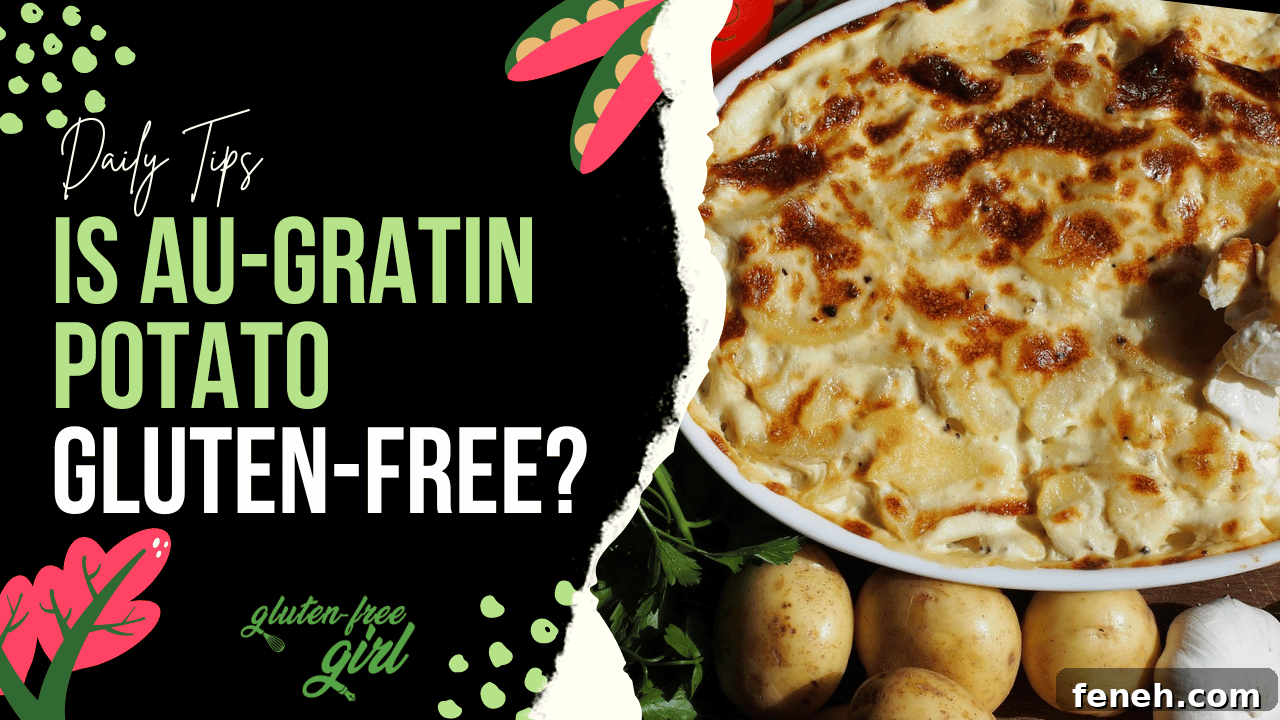
Yes, Au Gratin potatoes are gluten-free. Traditionally, au gratin potatoes are made from thinly sliced potatoes layered with cream, cheese, butter and seasonings, then baked until tender and golden. Because the core ingredients—potatoes, dairy and seasonings—do not contain wheat, barley, or rye, a standard au gratin preparation is naturally gluten-free.
This makes au gratin potatoes a valuable option for people who avoid gluten, including those with celiac disease or non-celiac gluten sensitivity. Celiac disease is an autoimmune condition triggered by gluten exposure that damages the small intestine and can cause a wide range of symptoms; avoiding gluten entirely is the only effective treatment. For anyone managing gluten-related health concerns, gluten-free au gratin potatoes provide a comforting, flavorful dish that fits into a safe diet when prepared carefully.
Some diets, such as Paleo-inspired plans, also exclude grains and therefore favor naturally gluten-free dishes. Au gratin recipes can be adapted for such diets by substituting dairy or thickening agents—for example, using almond milk or cashew-based cheeses and gluten-free starches—while still delivering the creamy, baked texture people expect from gratin-style potatoes.
Au gratin differs from mashed potatoes in texture and preparation. Mashed potatoes are made by boiling and mashing whole potatoes with butter, milk or cream and are naturally gluten-free when no wheat-based thickeners or additives are used. Au gratin relies on sliced potatoes layered with a creamy, cheesy sauce and baked, often producing a richer, browned top. Both are gluten-free options when their ingredients and preparation avoid gluten contamination.
Can a gluten-sensitive individual eat au gratin potato?
Yes. People with non-celiac gluten sensitivity can usually eat au gratin potatoes as long as the recipe contains no gluten-containing ingredients and cross-contamination is prevented. The main concerns are added thickeners, breadcrumbs, sauces or seasonings that may contain wheat-based ingredients. Choosing certified gluten-free products and maintaining careful kitchen practices ensures the dish remains safe for sensitive individuals.
For those with celiac disease, strict avoidance of gluten is required to prevent intestinal damage. Au gratin potatoes made with gluten-free ingredients are a safe, flavorful addition to a celiac-friendly meal plan. When in doubt with packaged mixes or prepared foods, always check labeling or contact the manufacturer for clarification.
Gluten-free ingredients you can add to au gratin potato
Use the following naturally gluten-free or certified gluten-free ingredients to keep your au gratin safe:
- Potatoes: Naturally gluten-free and the main ingredient.
- Cream or milk: Dairy is gluten-free—confirm any flavored products are free of additives containing gluten.
- Cheese: Most natural cheeses are gluten-free; verify processed cheeses or blends.
- Butter: Pure butter is gluten-free.
- Salt and pepper: Naturally gluten-free seasonings.
- Garlic and herbs: Fresh or dried herbs like thyme or rosemary are safe—check blends for fillers.
- Gluten-free flour or starch: Rice flour, cornstarch, potato starch or tapioca can thicken sauces.
- Gluten-free breadcrumbs: Use certified gluten-free crumbs or omit the topping.
- Onions: Naturally gluten-free and add flavor.
- Cooking oil or spray: Use clean, gluten-free oil or non-stick spray to prevent sticking.
How to keep au gratin potato gluten-free
Follow these practical steps to ensure your au gratin remains gluten-free:
- Choose certified gluten-free ingredients and read labels for additives like modified food starch that may come from wheat.
- Use separate utensils, cutting boards and cookware for gluten-free preparation, or thoroughly clean shared items before use.
- Work in a clean environment—wipe counters and appliances and avoid shared towels or sponges that may carry crumbs.
- Check spices, sauces and prepared products for gluten-containing ingredients; use gluten-free alternatives for soy, Worcestershire or gravy bases if needed.
- Avoid breadcrumb toppings made from wheat; opt for certified gluten-free breadcrumbs or omit them.
- Label and keep gluten-free dishes separate when serving to prevent accidental mixing.
Cross-contamination is one of the most common risks. Examples include using a cutting board that recently handled bread or dipping a spoon used for a wheat-based sauce into the gluten-free dish. Preventing these mistakes protects people with celiac disease or severe sensitivity.
Are au gratin potatoes with butter gluten-free?
Yes. Butter is naturally gluten-free, so au gratin potatoes made with butter remain gluten-free provided no other ingredients or preparation steps introduce gluten. Maintain safe kitchen practices to avoid contamination.
Are au gratin potatoes with meat gluten-free?
Not necessarily. While the potatoes and many meats are naturally gluten-free, marinades, gravies, processed meats or sauces may contain wheat-based thickeners or fillers. To keep a meat-topped au gratin gluten-free, use plain meats or meats prepared with certified gluten-free seasonings and sauces.
Are au gratin potatoes with milk gluten-free?
Yes. Milk itself is gluten-free. Ensure any added ingredients—cheese, seasonings or prepared components—are gluten-free and follow safe preparation practices to avoid contamination.
Is au gratin potato with cream cheese gluten-free?
Yes. Cream cheese is generally gluten-free. Confirm any flavored or whipped varieties and all other ingredients in the recipe are free of gluten, and avoid cross-contamination in the kitchen.
How can au gratin potato contain gluten?
Au gratin can become gluten-containing when recipes call for wheat flour to thicken sauces, use a roux, or include wheat-based breadcrumbs on top. Packaged mixes and some processed cheeses or seasonings may also include gluten. The remedy is to substitute gluten-free flours or starches and use certified gluten-free toppings.
Even with gluten-free ingredients, cross-contamination can introduce gluten if shared utensils or surfaces have residues from gluten-containing foods. Keep workspaces and tools clean and segregated when necessary.
How can cross-contamination with gluten be prevented when preparing au gratin potato?
Prevent cross-contamination by using separate, clearly marked utensils, cutting boards and bakeware for gluten-free cooking. Clean counters and appliances thoroughly before use, wash hands frequently, and avoid sharing spoons or containers. Verify that all packaged or processed ingredients carry gluten-free labels if needed, and clearly label gluten-free dishes to prevent accidental mixing during serving.
How to tell if au gratin potato products are gluten-free?
Check packaged au gratin products by reading ingredient lists for wheat, barley or rye and looking for a gluten-free certification or label. If labeling is unclear, contact the manufacturer to ask about ingredients and production methods, including cross-contamination controls. Allergen statements and ingredient sourcing can help determine safety. When making au gratin at home, use trusted brands for cheese, cream and seasonings and apply careful kitchen practices.
Are instant au gratin potatoes gluten-free?
Some instant au gratin mixes are gluten-free, but others contain wheat flour or wheat starch. Always read the label and choose mixes explicitly labeled gluten-free or opt for a homemade version using gluten-free thickeners.
Are au gratin potatoes the same as mashed potatoes regarding gluten?
No. Both dishes can be gluten-free, but they are different preparations. Mashed potatoes are boiled and mashed, while au gratin is layered and baked with a creamy sauce and cheese. In either dish, gluten can be introduced through added thickeners, processed ingredients or cross-contamination, so ingredient choice and preparation are key.
Au gratin potato products to avoid
Be cautious with packaged or prepared mixes and frozen dishes that lack clear gluten-free labeling. Some commercial au gratin or scalloped potato products use wheat-based thickeners, additives or breadcrumbs. Always read labels and avoid products without transparent gluten-free information if you need to manage celiac disease or severe sensitivity. When dining out, ask about ingredients and preparation methods to avoid cross-contamination, or prepare au gratin at home using certified gluten-free ingredients and careful kitchen practices.