Many of the recipes I learned from Mama are authentic regional dishes, but this one for “pitakia” is a pure family tradition—arguably the most regional of all. Mama learned it from her mother, and it may have been made in our family for generations. Rather than a formal recipe, pitakia are a thrifty, practical way to use the flour left after rolling meatballs for Greek or summer keftedes.
When you roll meatballs in flour, the remaining flour becomes studded with tiny bits of meat and seasoned juices. It’s not suitable to save for other baking uses, and tossing it would waste both flour and flavor. Mama’s solution is simple: sprinkle the seasoned flour with salt and add liquid to form a paste. If you’ve just made summer meatballs, use the flavorful liquid that drained from the meat mixture instead of plain water—this boosts the taste.
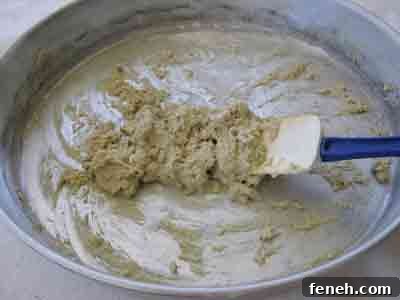
The paste should be fairly wet and sticky; if it’s too dry the pitakia will become tough. Make sure the texture is tacky enough that shaping is a little inconvenient—this yields a tender, well-cooked result. Lightly oil your hands and form rough patties from the paste. They don’t need to be neat or uniform—rustic shapes are normal and expected.
Slide the patties into the hot oil left in the pan from frying the meatballs. Keep the heat on under the pan so the oil remains hot. Fry the pitakia until the underside is golden, then flip and brown the other side. When both sides are nicely golden, remove them and serve hot alongside the meatballs.
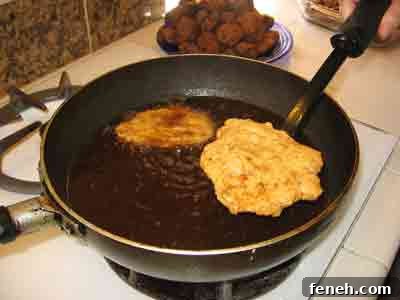
Pitakia are best eaten immediately while warm and slightly crisp on the outside with a soft, flavored interior. They make a comforting, no-waste accompaniment to keftedes and showcase the way simple ingredients and resourceful cooking create memorable family dishes.
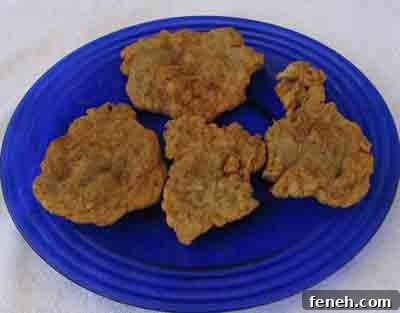
These are the fried flour-and-water patties I referenced when I mentioned fry bread in an earlier post—they’re exactly the kind of humble, delicious fried paste I had in mind.