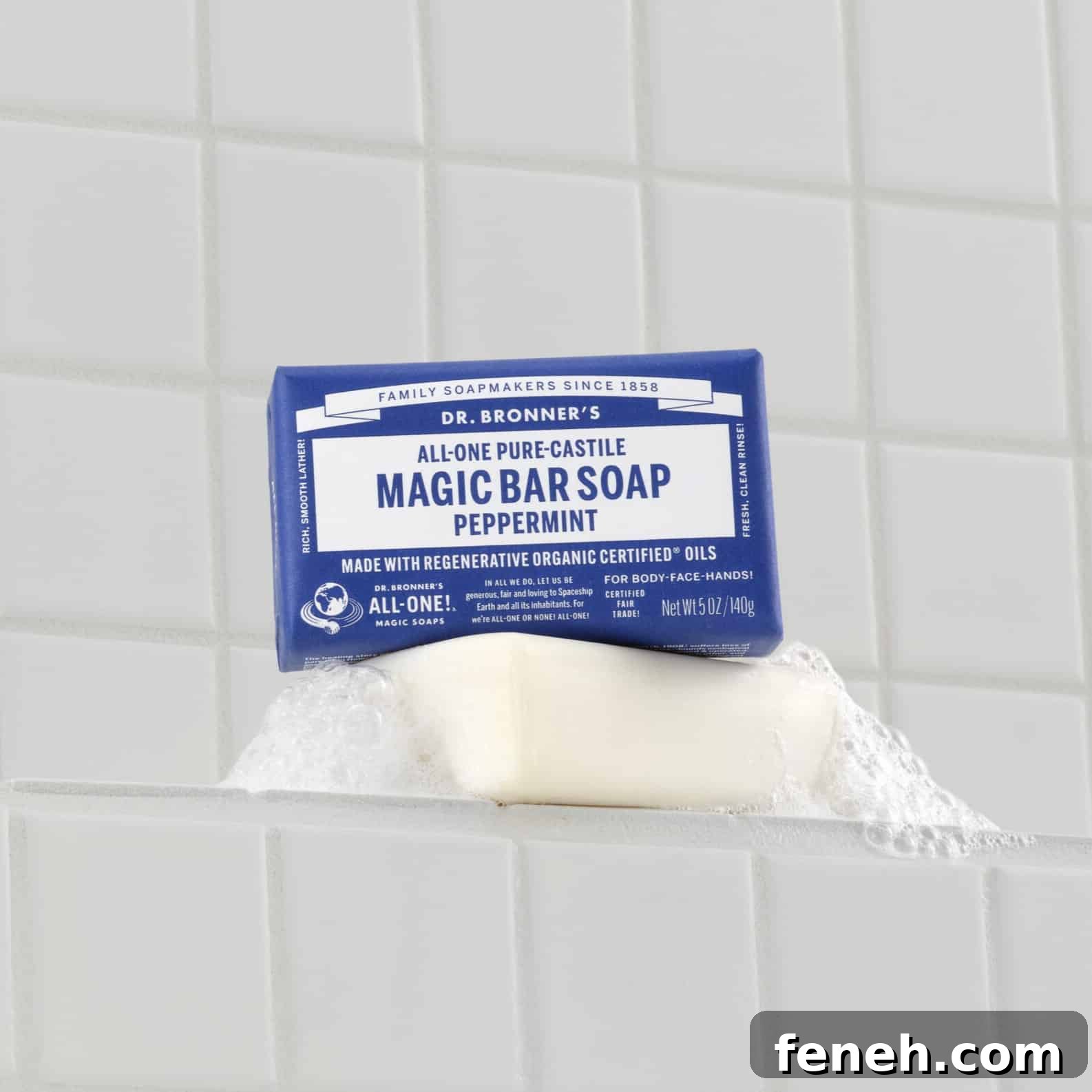
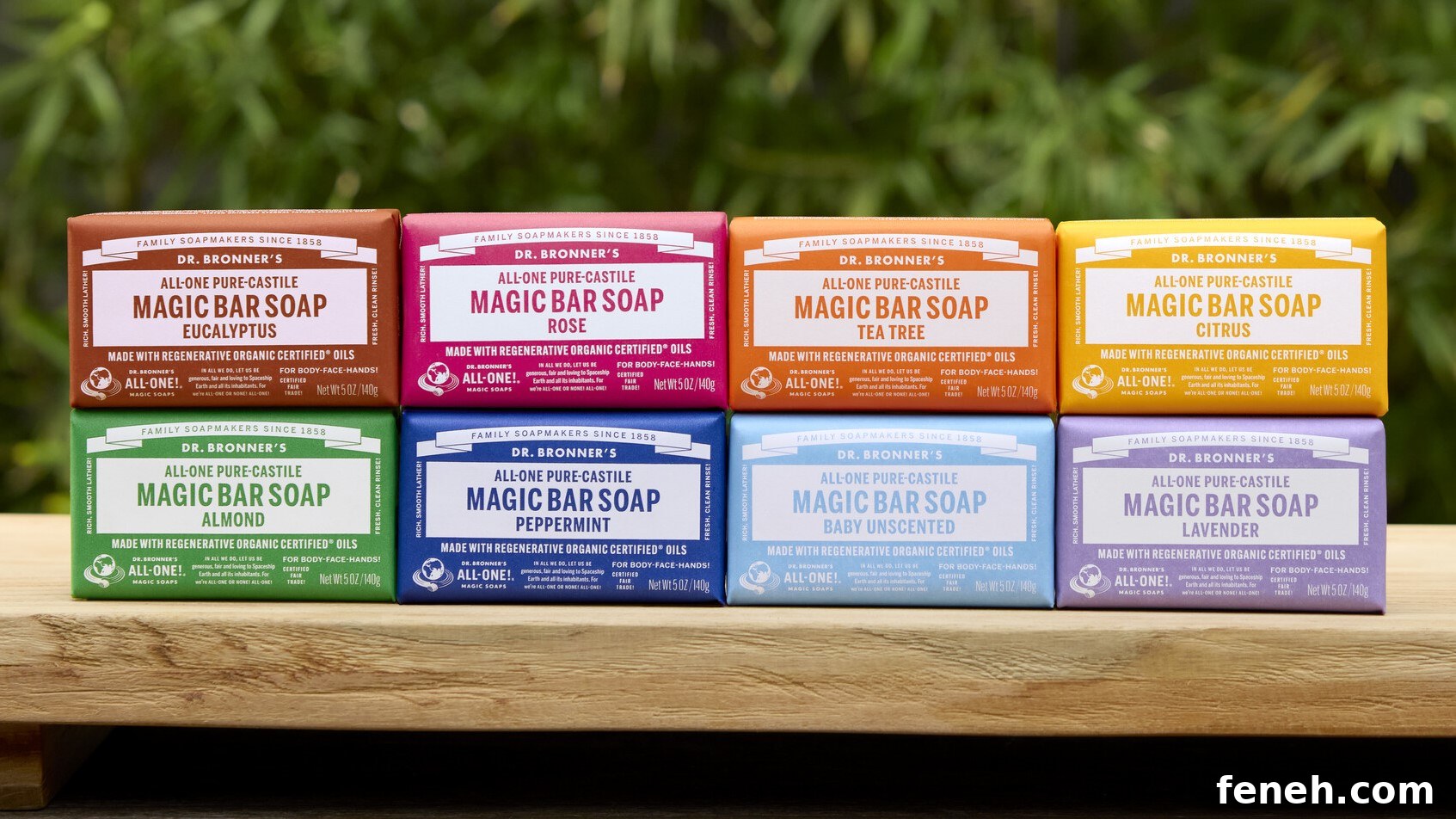
For years Dr. Bronner’s Pure-Castile Magic Bar Soap has been overlooked compared with the liquid Castile soap and Sal Suds cleaner. This guide brings the bar soap into focus, offering practical, tested ways to use it around the body and the home.
Whether you prefer bars for cost, packaging, travel convenience, or availability, the Magic Bar Soap can serve many of the same roles as the liquid soap. Converting a bar for household cleaning requires a bit more effort, but the results are effective and economical.
Bar soap is formulated to remain solid through normal use, which is why turning it into a liquid is challenging. The bar contains sea salt to keep it firm and durable in humid conditions; that same ingredient thickens any diluted solution, so fully liquefied bar soap behaves differently than the ready-made liquid Castile soap. The result of properly dissolving the bar is a thick, white gel I call “soap cream.” It cleans well and can be diluted for various tasks, but it will thicken further over time and has a shorter shelf life than the original bar or liquid soap. Make only what you expect to use within a couple of weeks.
Making Soap Cream
After several experiments, these two methods proved reliable.
If you have 24 hours:
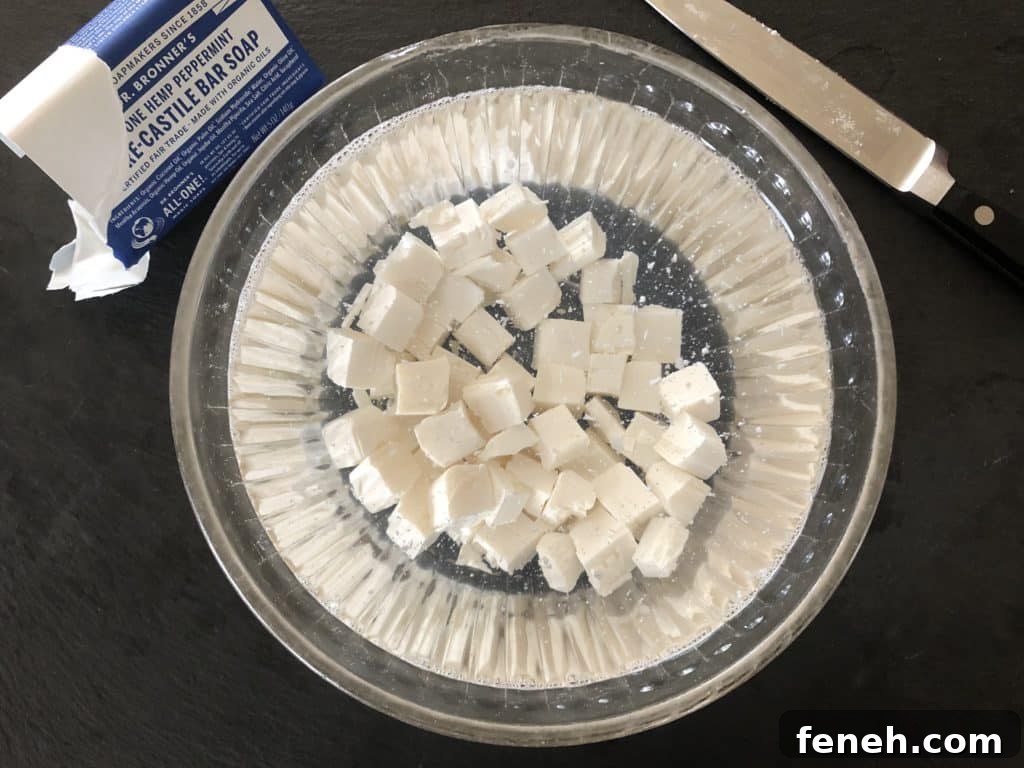
Dice one bar into ½” (about 1 cm) cubes and soak them in 4 cups (960 mL) of distilled or reverse-osmosis water for at least 24 hours. The soap will soften and resemble tofu. Blend the soaked mixture on low for about 30 seconds, or until smooth. Blend in batches if your blender is small. This produces about 10–11 cups of soap cream. Store in airtight containers such as mason jars.
If you need it NOW:
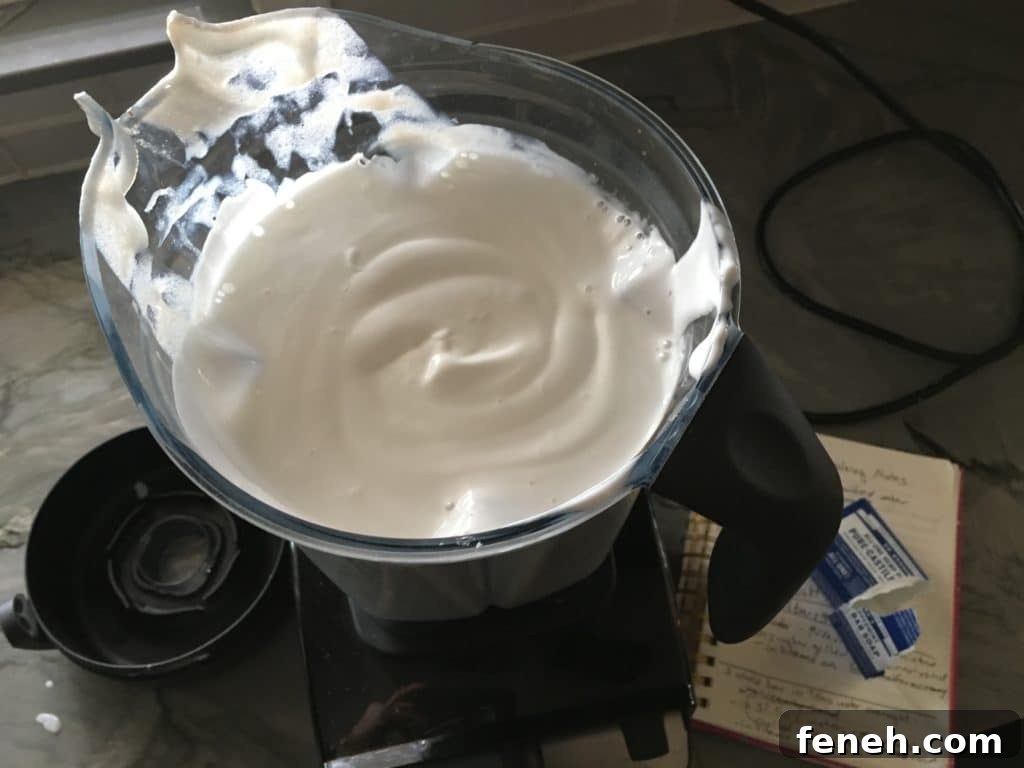
Grate a bar on a medium-to-fine grater and combine the shreds with 4 cups (960 mL) warm (not hot) water in a blender. Blend on low for 30 seconds to a minute until smooth. Avoid hot water or high blending speed: trapped steam or excess air can make the mixture expand and overflow.
Other forms of Bar Soap mentioned on the Cheat Sheet
Solid Bar Soap
Many uses simply require the bar itself. Rub the bar directly on a washcloth, dish brush, or toothbrush. For oral care, reserve a dedicated portion of soap for brushing.
Grated Bar Soap
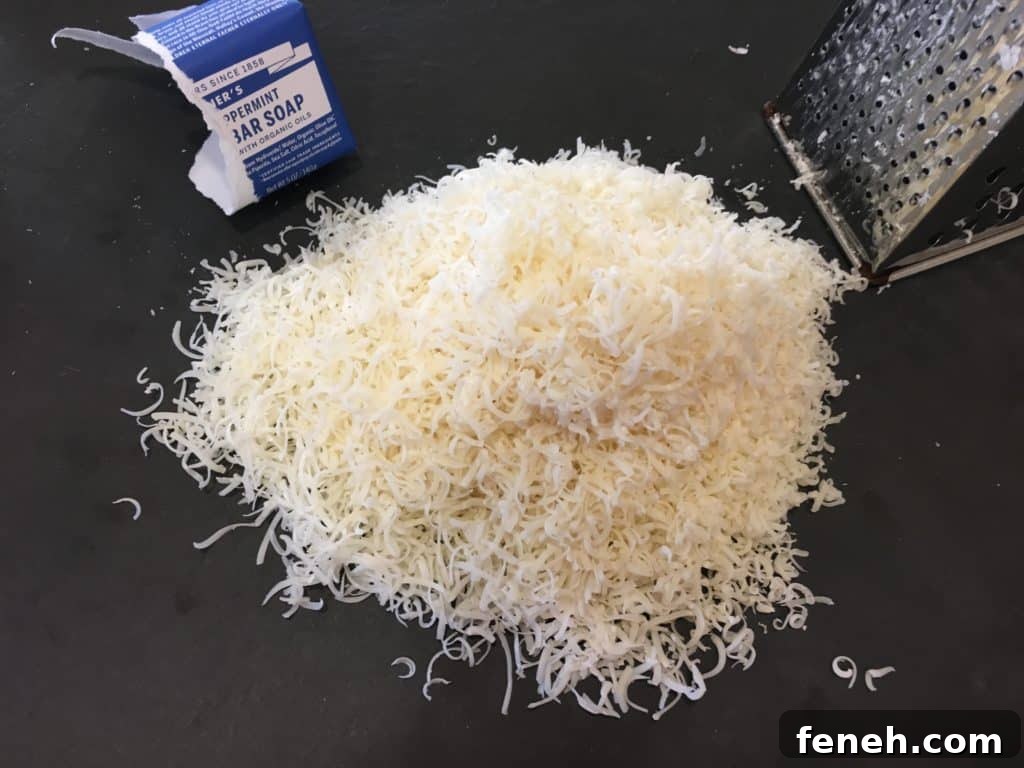
Grated soap is useful for recipes. Use the medium-to-fine side of a box grater and store the shreds in an airtight container. One bar yields about 3 cups (720 mL) of grated soap. Avoid food processors for this task; a hand grater is quieter and safer for the tool.
A few other notes before you get started
Comparing soap content by percentage between bar and liquid soaps may not produce matching dilution numbers; the bar and liquid formulations behave differently. The dilutions here were determined by practical testing and produced reliable results.
These recommendations come from hands-on experiments with the Magic Bar. Ratios can be adjusted to taste and need; feel free to adapt them based on your experience.
Bar Soap Dilutions Cheat Sheet
Body Uses
Hands-Face-Body: Lather the bar on wet hands or a washcloth.
Makeup Removal: Wet the face, lather the bar in your hands, massage into skin, then rinse.
Hair: Rub the wet bar into very wet hair, lather and rinse. Follow with a citrus hair rinse or diluted apple cider vinegar if desired.
Bath: Add 4 Tbsp. (60 mL) grated soap or ½ cup (120 mL) soap cream to running warm bath water. The bath will not bubble like a bubble bath but will cleanse effectively.
Shaving: Lather the bar on the skin or use a shaved piece as a shaving cake in a cup and whip a lather with a wet brush.
Teeth: Reserve a section of bar soap for toothbrushing. Swipe a wet toothbrush on the bar and brush, then rinse.
Foot Bath: Add 1 Tbsp. (15 mL) grated soap to a small tub of very warm water and swish to dissolve.
Household Uses
Dishes (Handwashing): Rub a dishcloth or brush on the bar. Or add 2 Tbsp. (30 mL) grated soap or ¼ cup (60 mL) soap cream to about 1½ gallons (6 L) of very warm water and swish to dissolve.
Laundry (not HE): Recommended for hot or warm water. For cold water or HE machines, use the liquid Castile soap or Sal Suds instead.
- Grated bar soap method: Combine one grated bar with 4 cups (960 mL) baking soda in a food processor and pulse to blend. Use ¼–⅓ cup (60–80 mL) per large load.
- Soap cream method: Use ½ cup (120 mL) soap cream per large load and add ½ cup (120 mL) baking soda to the wash cycle.
- For either method, add 1 cup (240 mL) vinegar to the rinse cycle to help with rinse and freshening.
Handwashing Delicates: In 1 gallon (4 L) cold water, lather the bar with your hands until the water is slightly soapy. Gently swish the garment, let soak 10 minutes, swish again, rinse, press excess water out with a towel, and hang or lay flat to dry.
Mopping (Wood, Laminate, Vinyl, Stone & Tile): Add 1 Tbsp. (15 mL) grated soap or ¼ cup (60 mL) soap cream to 1 gallon (4 L) hot water. Dunk mop and wring thoroughly. Avoid excess water on wood and laminate floors.
All-Purpose Cleaning Spray: Dissolve ¼ cup (60 mL) soap cream in 1¾ cups (420 mL) warm water and whisk to blend. For additional antimicrobial action, add up to 10 drops of tea tree essential oil if desired (note safety caveats below).
Windows: Dissolve 1 Tbsp. (15 mL) soap cream in 16 oz. (500 mL) warm water in a spray bottle. Spray, squeegee, and follow with a spray of club soda or a vinegar/water mix, then wipe dry.
Toilets: Spray the bowl with the All-Purpose Spray, optionally with ¼ tsp. (1.25 mL) tea tree oil added. Sprinkle baking soda on the toilet brush, scrub the bowl, let sit 10 minutes, then flush.
Other Uses
Fruit & Veggie Wash: Lather the bar in a bowl of water, dunk produce and swish, then rinse thoroughly in clear water.
Dog Washing: Wet the dog, massage the bar into the coat to create a good lather, then rinse thoroughly. Avoid getting soap in the eyes or water in the ears. Do not use tea tree–scented products on pets, as tea tree oil can be toxic to them.
Cleaning Makeup Brushes: Wet the brush, lather the soap in your hands, massage gently through bristles for 10+ seconds, rinse and air dry.
Ant Spray (Not on plants): Dissolve ½ cup (120 mL) soap cream in 3½ cups (840 mL) water and use as a surface ant spray (avoid spraying plants directly).
Further reading
- The Unexpected Versatility of Bar Soap
- Dilutions Cheat Sheet for Dr. Bronner’s Liquid Castile Soap
- 7 Dr. Bronner’s Products for Your Next Travel Adventure
- Sal Suds Dilution Cheat Sheet
Avoid using tea tree–scented products on pets, as tea tree oil can be toxic to them.
This guide reflects tested dilutions and practical uses for the Magic Bar Soap. Adjust ratios as needed for your routines and preferences.