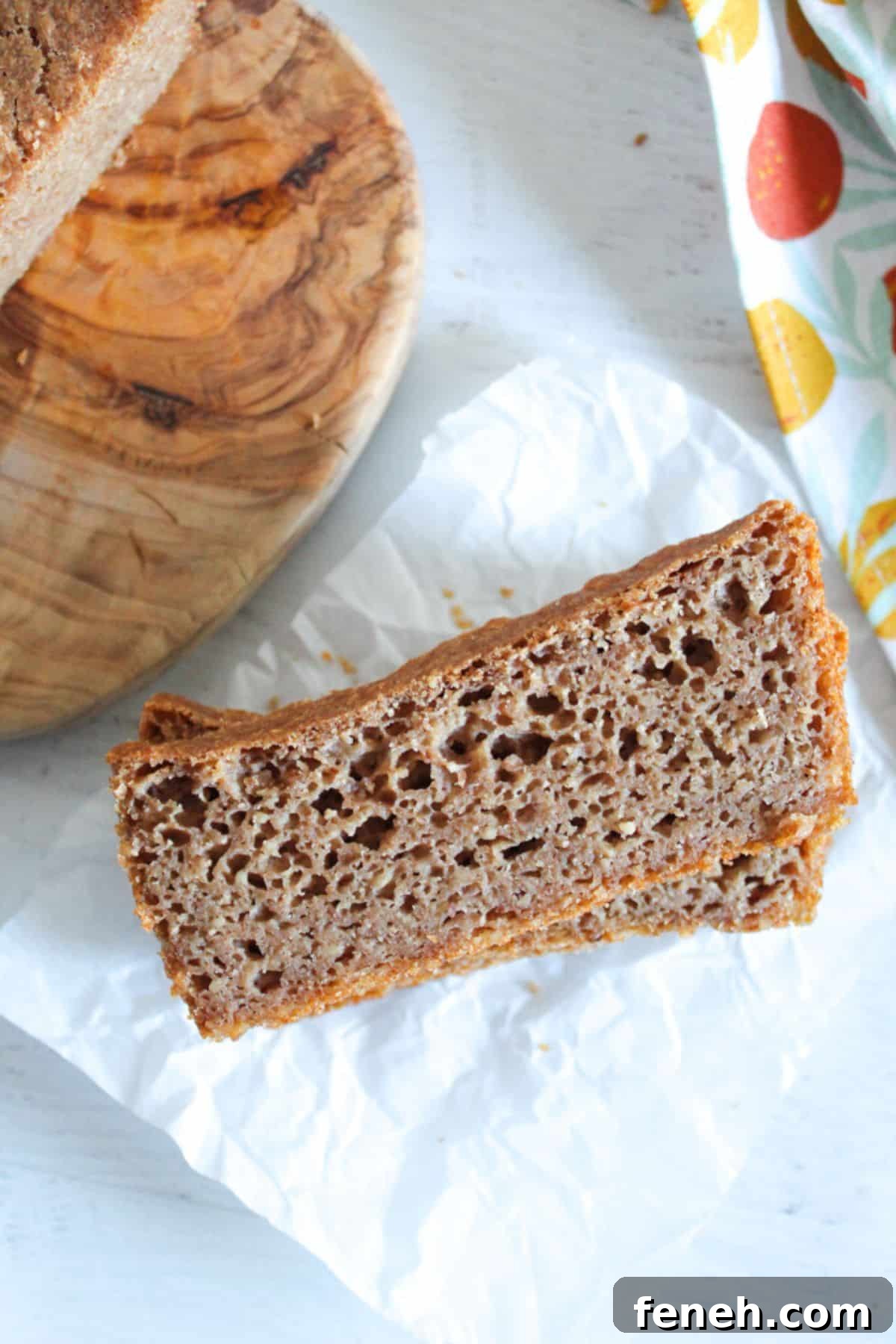
You followed the recipe, measured carefully, slid the loaf into the oven—and somehow pulled out bread with the texture of a damp sponge under a crust.
Gluten-free bread can be a real kitchen gremlin. It may look golden on the outside yet turn gummy, sticky, or oddly squishy in the middle.
Table of Contents
The good news: gummy bread usually has a clear cause, and once you identify it you can fix it. From too much moisture and the wrong flour blend to underbaking, overmixing, or slicing too soon, this guide walks through the common culprits and how to get a lighter, better-textured loaf next time.
The Science, Simplified: Why Gluten-Free Bread Turns Gummy
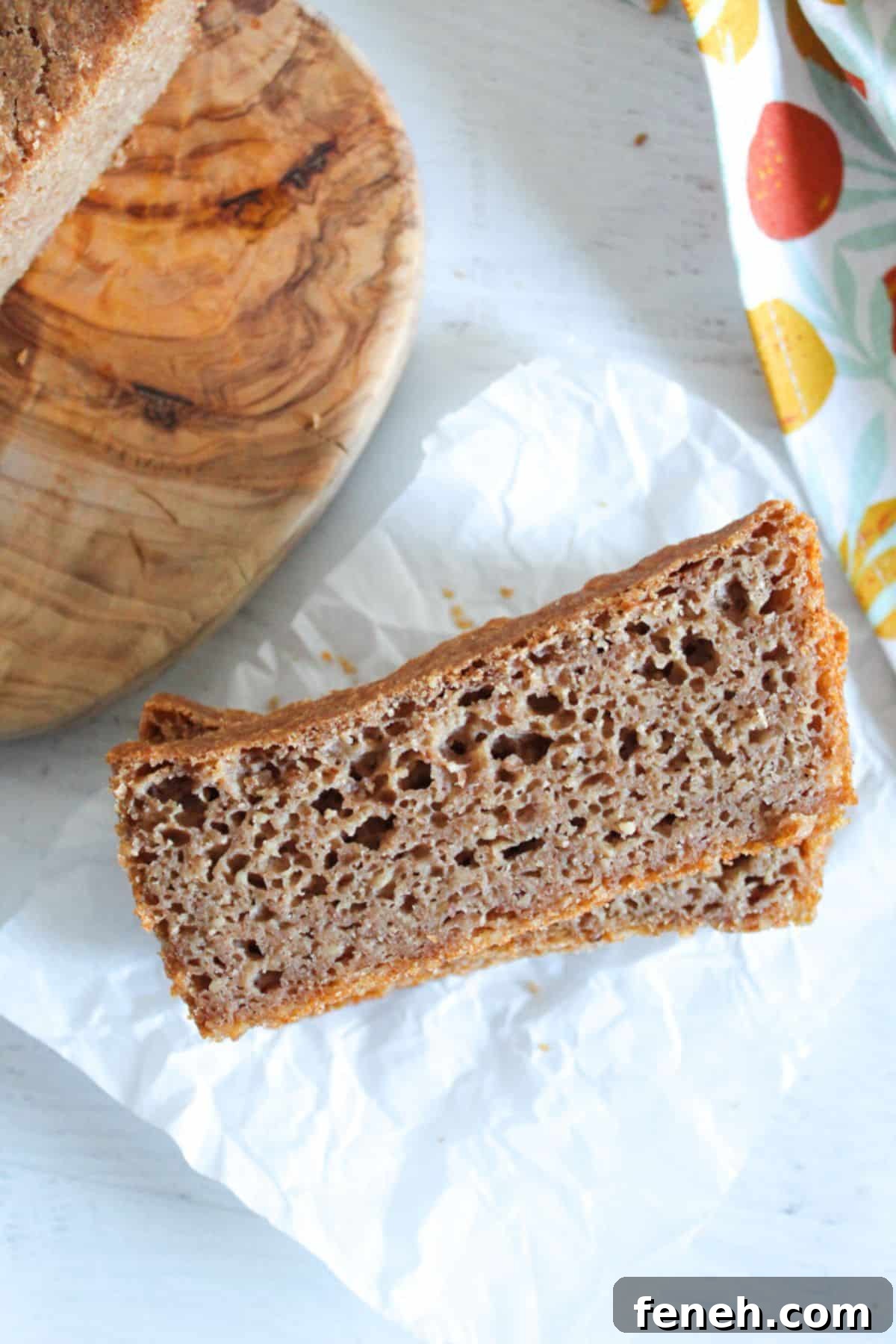
Gluten-free bread turns gummy because it lacks gluten’s stretchy structure. Traditional wheat bread relies on gluten to trap gas and create an even, set crumb. Without it, loaves depend on starches, binders, and alternative proteins to hold shape.
Starches absorb and hold water differently than gluten. When excess moisture remains in the crumb it can’t evaporate or redistribute properly during baking, leaving a sticky or gummy interior. That’s also why cooling matters: the crumb continues to set after the loaf comes out of the oven.
Chef’s translation: a gluten-free loaf isn’t finished when it looks good—it’s finished when the interior has fully set.
Why Gluten-Free Bread Turns Gummy (Quick Diagnosis)
Gumminess is common with gluten-free breads. The root causes are usually related to flour choice and balance, liquid quantity, mixing method, baking time/temperature, or slicing too soon.
Key issues to check:
- Flour types and blend: Different gluten-free flours vary widely in protein and fiber and behave differently in dough.
- Liquid amounts: Too much moisture creates a gummy crumb.
- Substitutions: Replacing flours or dry ingredients without adjusting liquids or binders often causes problems.
- Preparation: Cold ingredients, insufficient mixing, or skipping rest time can leave pockets of moisture or uneven hydration.
- Baking: The loaf’s center should reach about 205–210°F (96–99°C) before you remove it from the oven.
Quick Note
Texture problems can overlap. If your loaf is gummy and also collapsing or sinking, that points to a structural balance issue—moisture, structure agents, and baking time are all connected.
7 Common Causes of Gummy Gluten-Free Bread and How To Solve Them
Gluten-free baking requires precision and balance. Get one variable wrong and the crumb can become gummy. Below are the most common mistakes and practical fixes.
What is gluten? Gluten is a protein in wheat, rye, and barley that provides structure and elasticity in baked goods. Gluten-free flours lack that same binding ability, so recipes rely on blends, starches, gums, or psyllium to replace gluten’s role.
1. Starch-to-Flour Ratio: Too Much Starch Makes the Bread Sticky
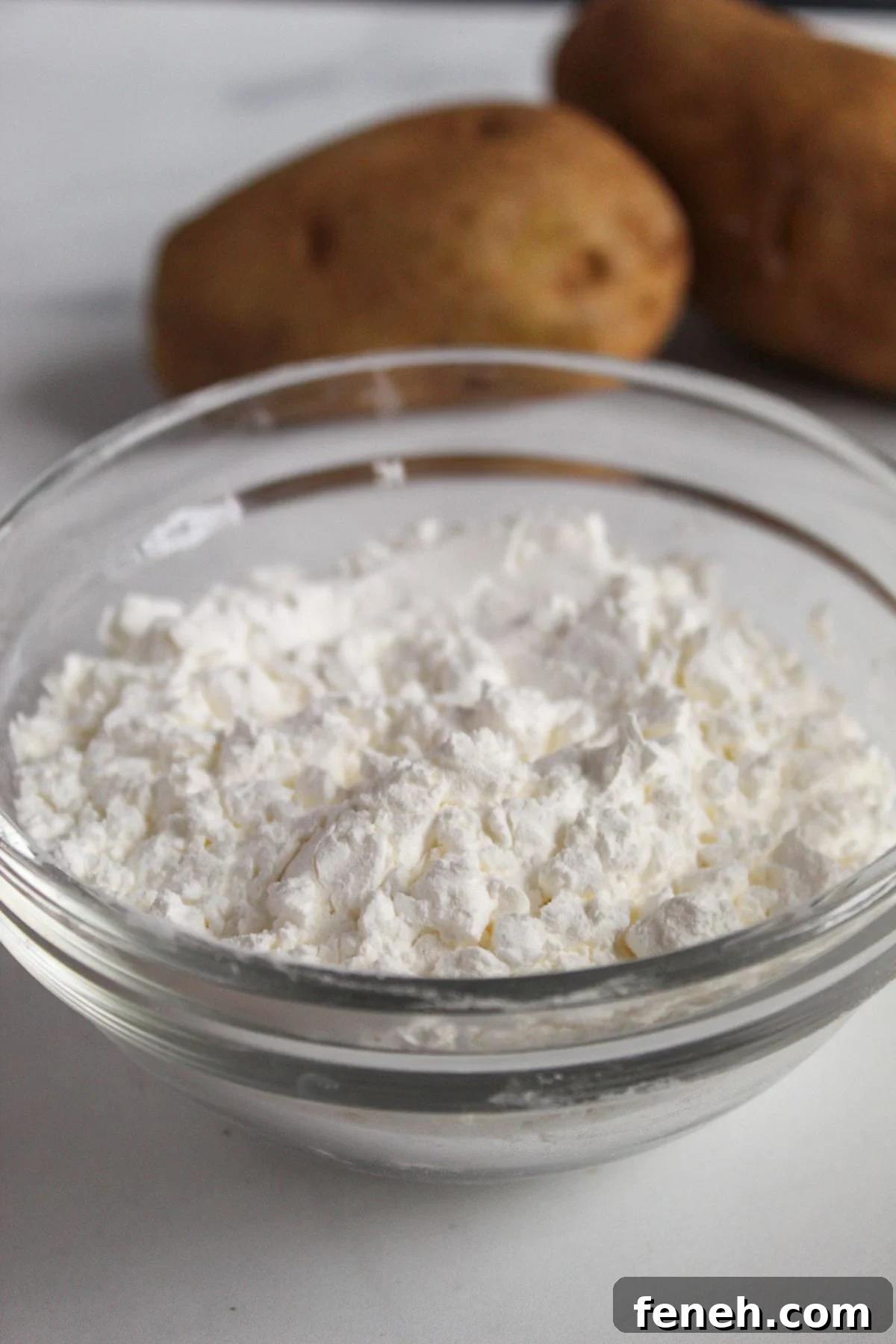
Starches like tapioca, potato starch, arrowroot, and cornstarch help tenderize gluten-free bread and retain moisture. But if starches make up more than about half of the total flour mix, they can trap moisture and produce a gummy center.
Rule of thumb: keep starches at 50% or less of your total flour blend. Also note the difference between potato flour (whole potato) and potato starch (refined starch); they behave differently in dough.
Fix: Use a balanced flour blend and avoid adding extra starch unless the recipe specifies it.
2. Your Flour Blend Doesn’t Provide Enough Structure
Different gluten-free flours absorb moisture differently. Flours higher in protein and fiber—like amaranth—hold more moisture than light flours like white rice. Replacing one flour with another at a 1:1 volume ratio can cause gummy results unless you adjust the recipe.
Fix: Measure flour precisely (preferably by weight) and use a tested flour blend designed for yeast or quick bread recipes to ensure consistent moisture absorption.
Gluten-Free Flour Conversion Chart
| Flour | 1 cup = grams | 100 g = cups |
|---|---|---|
| Almond flour | 96 g | 1.04 cups |
| Amaranth flour | 103 g | 0.97 cup |
| Brown rice flour | 128 g | 0.78 cup |
| Buckwheat flour | 120 g | 0.83 cup |
| Cassava flour | 140 g | 0.71 cup |
| Chickpea flour | 85 g | 1.18 cups |
| Coconut flour | 128 g | 0.78 cup |
| Gluten-free all-purpose flour (King Arthur) | 156 g | 0.64 cup |
| Millet flour | 160 g | 0.63 cup |
| Tapioca flour/tapioca starch | 113–120 g | 0.83–0.88 cup |
| White rice flour | 160 g | 0.63 cup |
3. There’s Too Much Moisture in the Dough
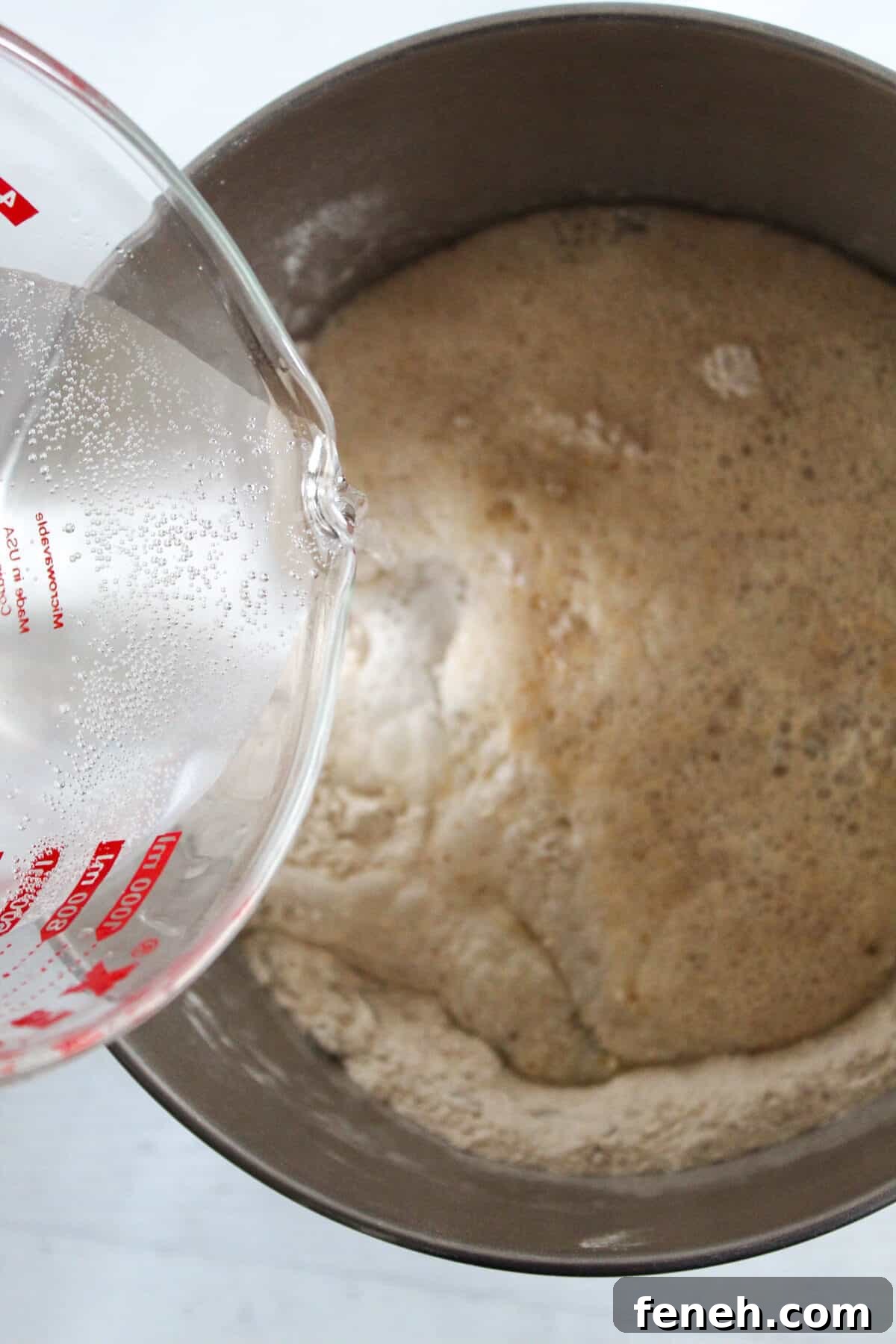
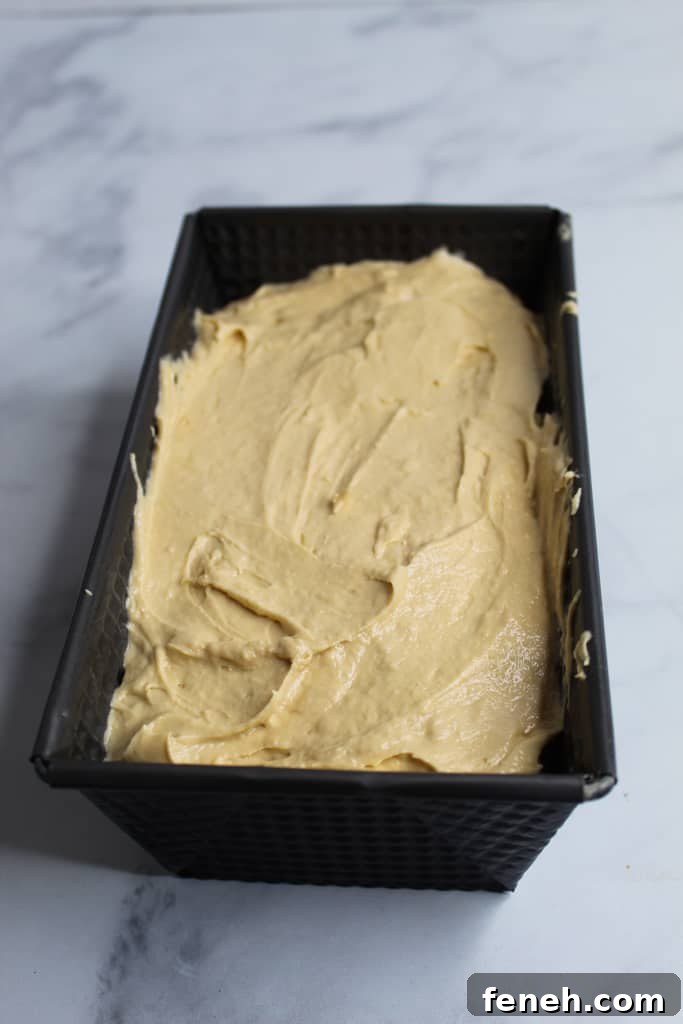
Moisture level is a major factor. Liquid sweeteners (honey, agave, maple syrup), wet ingredients, or inaccurate measuring can add extra water. Wet batter yields gummy crumb; aim for a thick, scoopable batter rather than a pourable one.
Fix: Adjust liquid when substituting ingredients, measure carefully, and err on the side of slightly less liquid if you’re unsure.
4. The Batter Was Overmixed or Undermixed
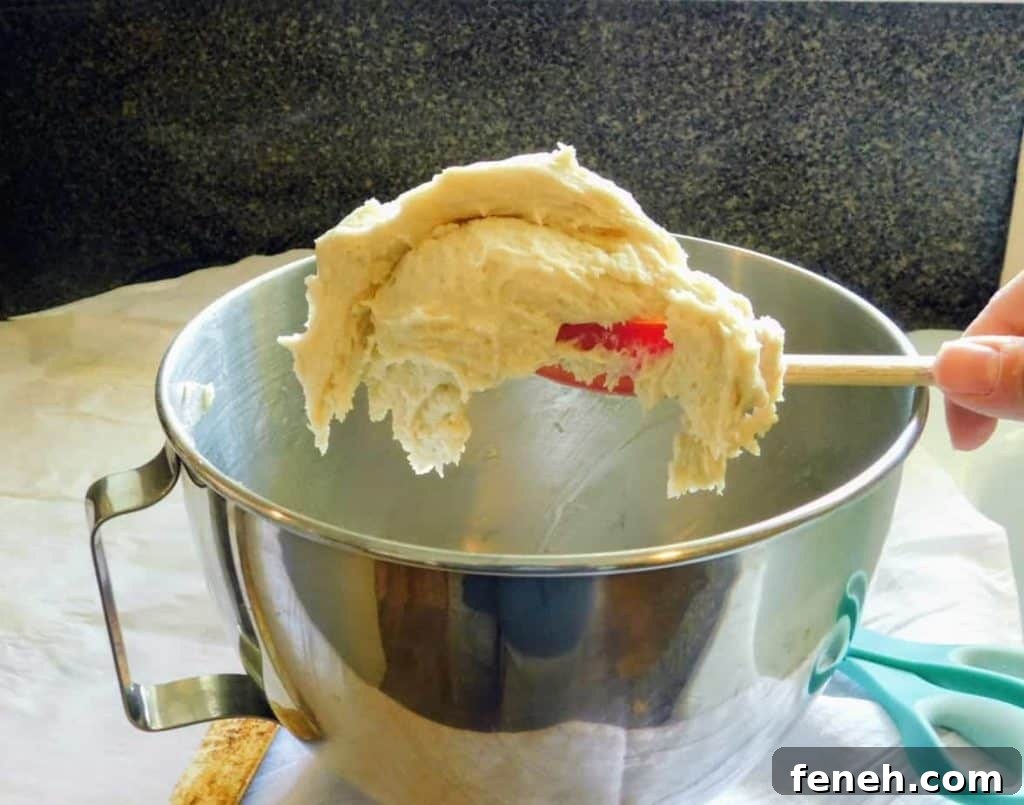
Undermixing leaves pockets of dry flour and uneven hydration; overmixing can break down structure in some recipes. For many gluten-free breads, mixing for 3–5 minutes and scraping the bowl often ensures even hydration without overworking the batter.
Fix: Mix thoroughly but avoid prolonged, high-speed mixing unless the recipe calls for it.
5. Your Pan Size Is Throwing Off the Bake
Pan size affects baking time and heat distribution. A pan that’s too small can leave the center underbaked; a pan too large can dry the loaf out.
Fix: Use the pan size specified by the recipe or adjust baking time and temperature accordingly.
6. The Bread Needed More Time in the Oven
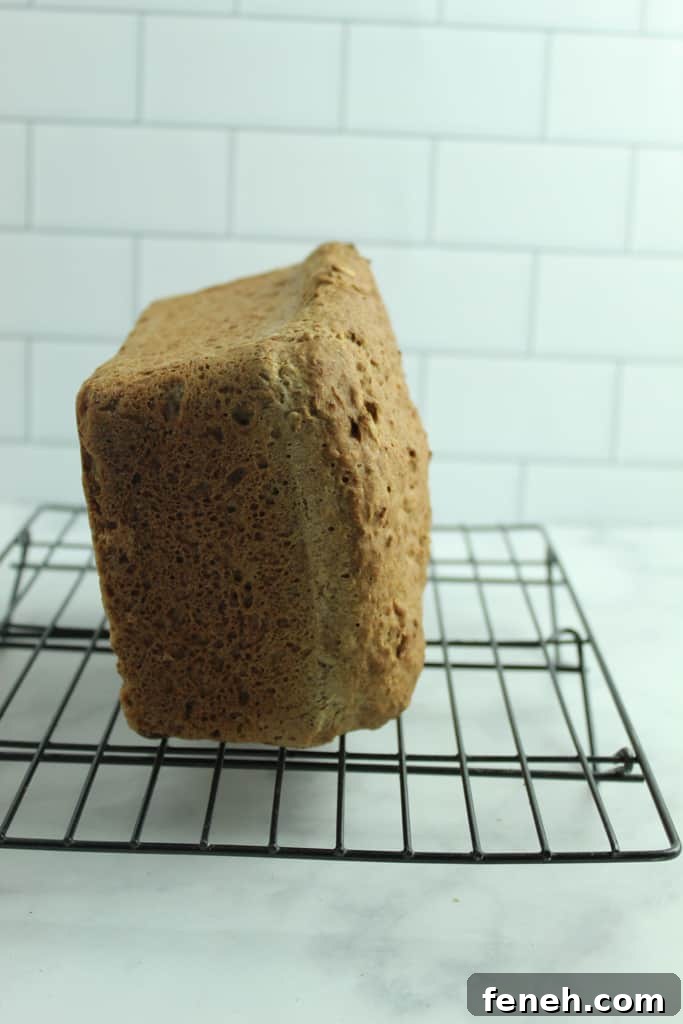
It’s tempting to pull a loaf as soon as it looks done. Gluten-free loaves brown on the outside before the interior fully sets. Use an instant-read thermometer: the center should reach 205–210°F (96–99°C).
Fix: If your loaf hasn’t reached that temperature after the recipe time, bake longer. Check your oven’s calibration if this happens frequently.
7. You Sliced It Before It Fully Cooled
Slicing too soon will compress a still-setting crumb and release steam, leaving the center gummy. Allow the loaf to cool in the pan a few minutes, then turn it out onto a rack and wait 2–3 hours before slicing.
Fix: Be patient—cooling is part of the bake.
Common Ingredient Mistakes That Can Make Bread Gummy
Before blaming the oven, review ingredient choices. Small swaps can have large effects in gluten-free baking.
- Too much xanthan gum → rubbery or sticky crumb
- Old baking powder or yeast → poor rise and dense loaf
- Inappropriate flour swaps → altered moisture absorption and weakened structure
- Excess starch → traps moisture and creates a gummy center
- Skipping rest time → uneven hydration and texture issues
Note: gluten-free baking favors accuracy. Treat it like a small science experiment.
Pro Tips for Better Bread Texture
Here are practical tips to reduce gumminess and improve crumb texture.
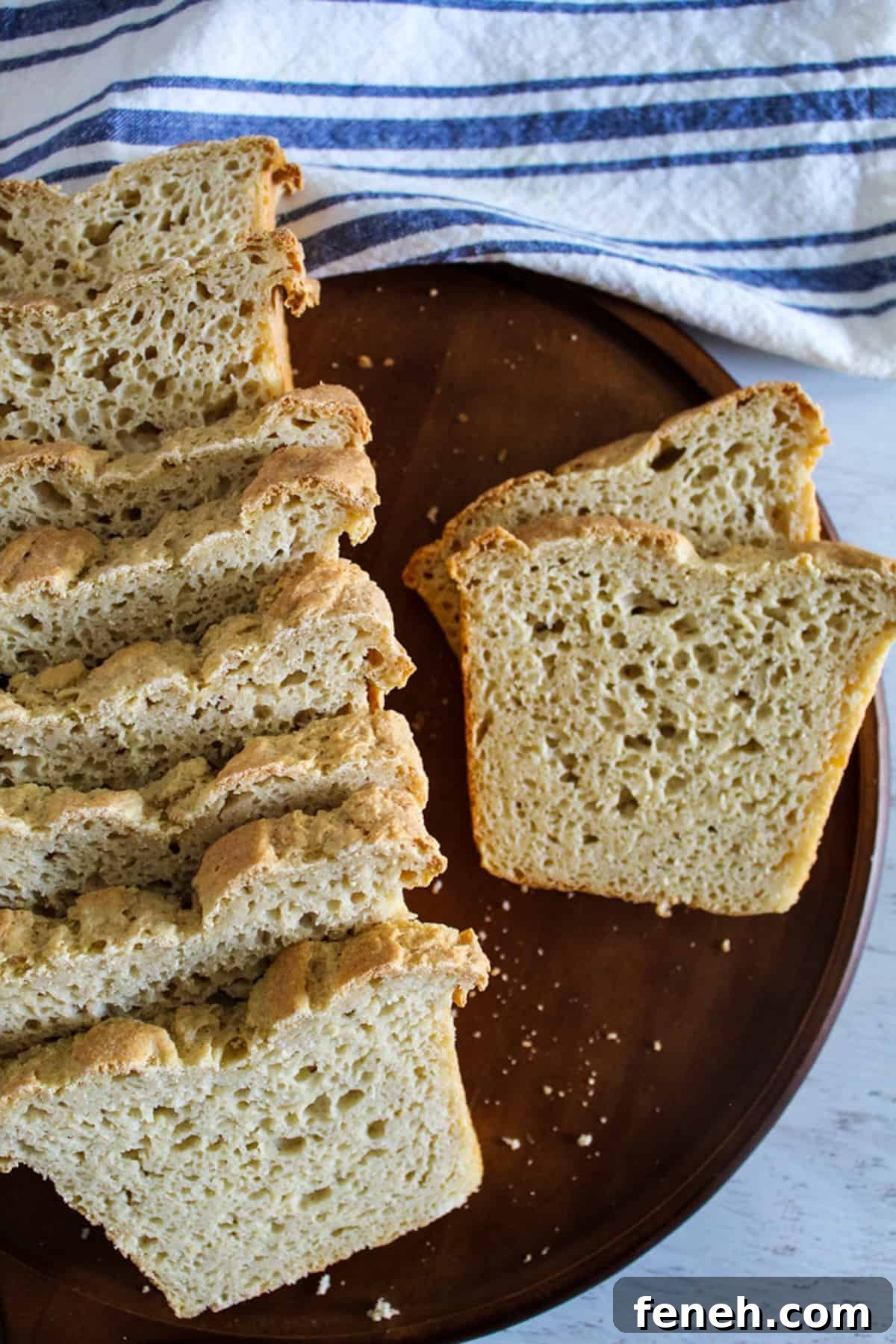
Before You Substitute Ingredients, Read This
Substitutions change moisture and structure. If you replace xanthan gum, psyllium husk powder is a common alternative that can improve crumb and moisture handling. When swapping sweeteners, reduce or increase other liquids accordingly to maintain batter consistency.
| To replace 1 cup of | Use sugar | Use honey | Use agave | Use maple |
|---|---|---|---|---|
| Sugar | 1 cup | 3/4 cup | 2/3 cup | 1 cup |
| Honey | 1 1/3 cups | 1 cup | 7/8 cup | 1 1/3 cups |
| Agave | 1 1/2 cups | 1 1/8 cups | 1 cup | 1 1/2 cups |
| Maple syrup | 1 cup | 3/4 cup | 2/3 cup | 1 cup |
Account for Leavening Agents and Required Rise or Rest Time
Leavening—yeast or chemical—requires conditions to work. For yeast: proper activation (warm water and a touch of sugar), correct temperature (not too hot or cold), some sugar for yeast to feed on, and not too much salt. Even chemical leavening often benefits from a short rest to allow hydration and reaction.
Fix: Follow activation and rest instructions, and allow time for flour to absorb moisture before baking.
Keep in Mind
Rest time allows flour to hydrate and leavening agents to do their work. Skipping this step often results in uneven crumb and gummy spots.
Final Checklist for Fluffy, Non-Gummy Bread
- Balance your flour blend: keep starches ≤ 50% of total flour.
- Measure precisely: use a scale rather than eyeballing.
- Watch moisture: batter should be thick and scoopable.
- Mix properly: combine thoroughly but avoid overmixing.
- Use correct pan size: to avoid underbaked centers or over-dry loaves.
- Check internal temperature: aim for 205–210°F before removing from oven.
- Cool completely: allow 2–3 hours on a rack before slicing.
- Be careful with substitutions: they can change texture dramatically.
- Respect rest/rise times: hydration and structure development need time.
Chef’s final word: Great gluten-free bread is all about balance. Get these details right and you’ll swap gummy frustration for a soft, sliceable loaf worth buttering.
FAQs About Gummy Gluten-Free Bread
Still staring at your loaf? Here are answers to common questions.
Why is my gluten-free bread wet in the middle?
Most often it’s underbaked, has too much moisture, or was sliced before cooling. Use an instant-read thermometer and ensure the center reaches 205–210°F.
Can you fix gummy bread after baking?
Sometimes. Slightly gummy slices can be toasted to dry them out. If the whole loaf is very wet, repurpose it as breadcrumbs, croutons, or bread pudding.
Why does my gluten-free bread look done but isn’t?
Gluten-free loaves brown on the outside before the inside sets. Trust the thermometer over the crust’s appearance.
Does gluten-free bread need to cool longer?
Yes. The center continues to set after baking. For best texture, cool on a rack 2–3 hours before slicing.
Why is my gluten-free bread gummy and dense?
Usually too much starch or moisture, insufficient structural flours or binders, or underbaking. Check your flour blend, avoid unnecessary substitutions, and confirm the internal temperature reaches 205–210°F.
Ready to Bake Better Gluten-Free Bread?
Understanding the causes of gumminess gets you halfway to a great loaf. With the right flour blend, accurate measuring, proper bake time, and patience while cooling, you can consistently bake soft, sliceable gluten-free bread.
- Try a tested gluten-free bread flour mix.
- Consider psyllium as a xanthan substitute when appropriate.
- Use an instant-read thermometer to check doneness.
- Follow rest and rise times so flours can hydrate fully.
Chef’s nudge: pick one recipe, follow it closely, let the loaf cool fully, and then enjoy.
Ready to Bake Your Best Gluten-Free Bread?
Now it’s your turn to use these tips in the kitchen and show that gummy loaf who’s boss. If you have a specific loaf problem, share the details and you’ll get targeted troubleshooting advice.