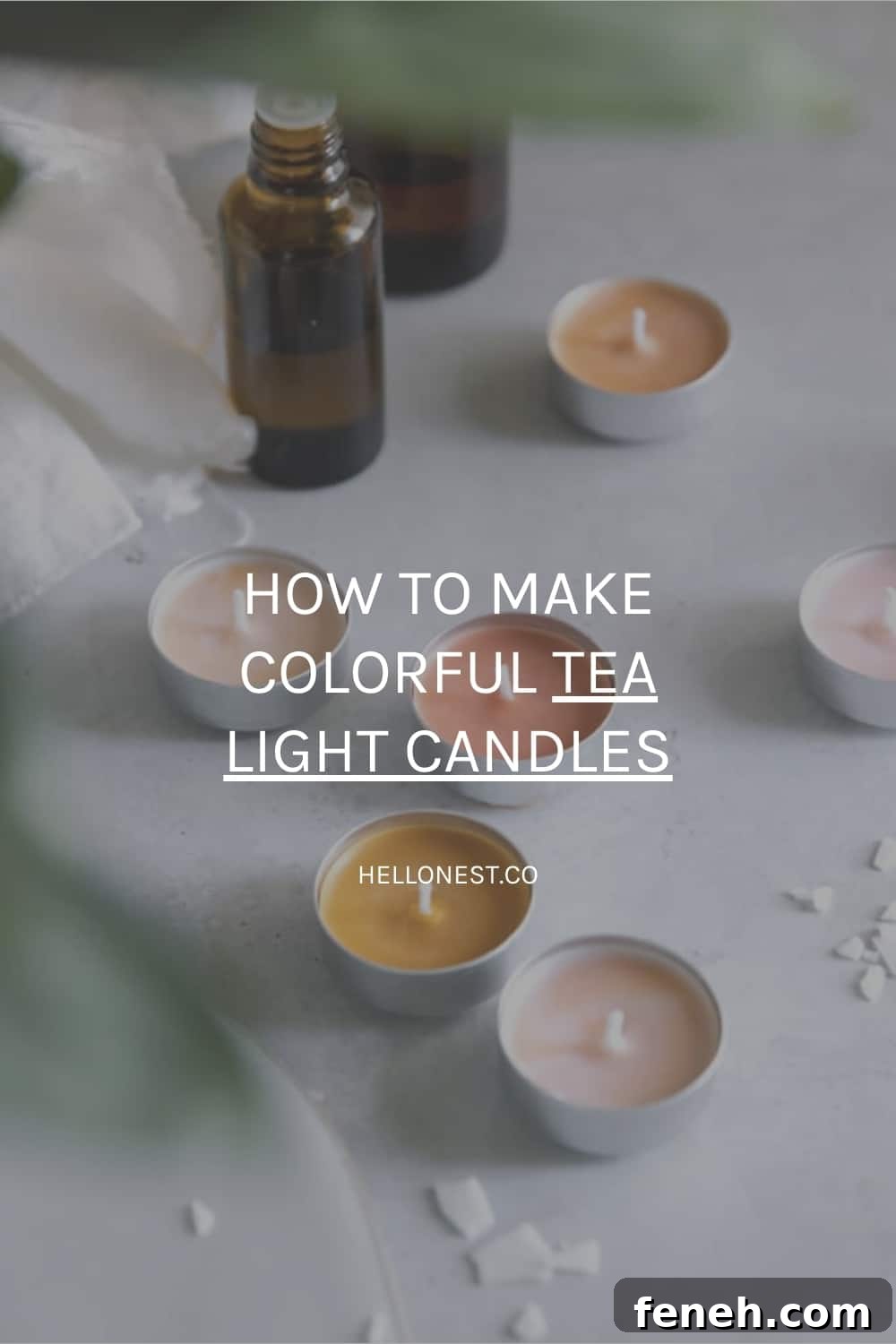
Candles do it all. Whether used as décor, aromatherapy, soft lighting, or a moment of self-care, their mood-boosting effects are hard to beat. While large multi-wick candles get a lot of attention, tea lights deserve recognition too. Small, versatile, and inexpensive, tea lights are perfect for everyday use as well as special occasions.
Traditionally popular for accent lighting, romantic dinners, and parties, tea lights also work beautifully in everyday settings. Because each tea light gives off a modest glow, burning several at once creates a warm, festive atmosphere without overwhelming a room. They’re also ideal for testing scent blends, color combinations, or different waxes without committing to large containers. Above all, tea lights are fun—their simple glow can elevate an ordinary evening.
Below is a clear, practical guide to making and using tea light candles safely and effectively.
How to Make Tea Light Candles
Making tea lights follows many of the same steps as other candle-making projects, but there are a few specific supplies and techniques to keep in mind. Tea lights melt relatively quickly, so choosing the right containers and securing the wick are important for safety and performance.
Tea light cups keep melted wax contained and reduce the risk of spills or fire. They are commonly available in metal or plastic and in several sizes; traditional tea lights typically use 1.5-inch cups. To keep the wick centered and prevent it from floating as the wax softens, use wick adhesive stickers on the bottom of the cup.
Scent and color are up to you. Coordinate dye and fragrance for a cohesive result—green for pine or eucalyptus, yellow for chamomile or lemon, and so on. Use candle-specific dyes rather than household crayons or food coloring, since pigment-based or non-candle-safe colorants can clog the wick and impair burning, a more likely problem in small-format candles like tea lights.
How to Clean Your Candle Making Supplies
Soy wax and many common candle waxes are relatively easy to clean. While the wax is still warm and pliable, wipe tools and your melting pitcher with paper towels to remove the bulk of the wax. For remaining residues, place utensils in a saucepan with water and bring it to a simmer. Once the wax melts into the water, dispose of the waxed water responsibly (use hot tap water if pouring down the drain) and then wash utensils with hot, soapy water.
How to Use Tea Light Candles
Tea lights typically burn between four and six hours depending on cup size and wax type. Use them on a non-flammable, heat-resistant surface or place them in holders designed for tea lights. Keep candles away from flammable objects like tablecloths, curtains, or lamps, and always place them out of reach of children and pets.
To extinguish tea lights safely, use a candle snuffer when possible. Blowing them out can cause hot wax to splatter, so using a snuffer reduces mess and risk.
DIY Tea Light FAQs
Can I reuse the tea light cups once the wax melts?
Yes. Metal cups are especially reusable: place them in hot water to melt out remaining wax, wash with hot, soapy water, then add a fresh wick and refill with new wax. Clean plastic cups carefully and check for heat tolerance before reuse.
Can I use another wax besides soy wax?
Soy and paraffin waxes work well for tea lights because they have relatively low melting points. Harder waxes like beeswax have higher melting points and are less suitable for small tea light cups unless you specifically formulate the blend for use in small containers.
Will the wick float if it isn’t glued down?
Yes—without adhesive, the wick can detach from the bottom of the cup and shift as the wax melts, which can be unsafe. Always use a wick adhesive or other secure method to anchor the wick before pouring wax.