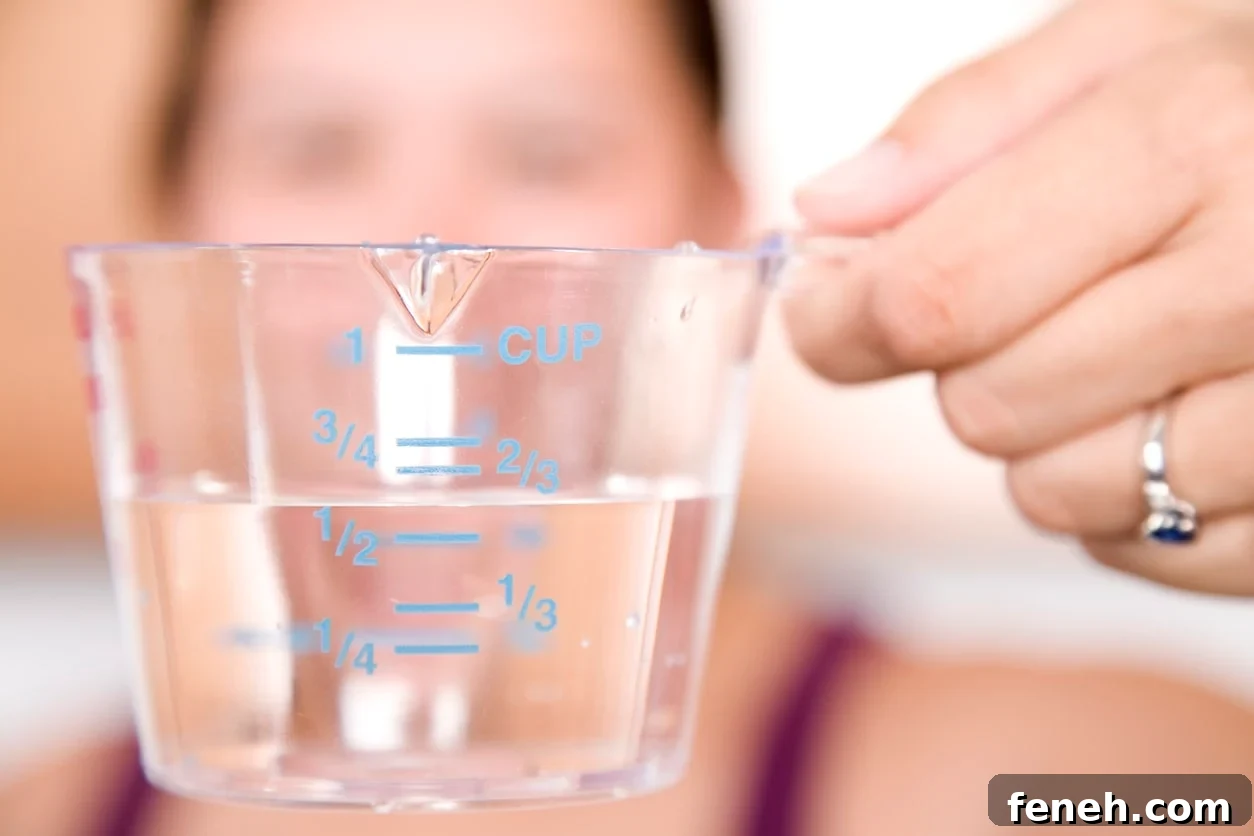
If you cook at home regularly, you’ve likely paused mid-recipe wondering how many cups are in a quart. That question comes up for cooks working with liquids or dry ingredients, or anyone who needs a quick conversion without hunting for a chart. This guide answers the core conversions used in most American recipes and offers simple tips to help you measure with confidence.
These conversions follow the United States customary system—the set of volume measurements most commonly used in home kitchens across the U.S. If you use metric cups or encounter older UK (imperial) recipes, the values differ slightly, so this article focuses on US cups, pints, quarts, and gallons that appear in most everyday recipes.
Basic Kitchen Conversions
Here are the essential volume relationships you’ll reach for most often. Keeping them memorized or posted near your stove will save time and reduce mistakes.
1 gallon = 4 quarts = 8 pints = 16 cups
1 quart = 2 pints = 4 cups
1 pint = 2 cups
With these basics you can quickly convert recipes that list quarts of water, milk, or broth. Remember that dry ingredients can behave differently—some pack tightly (like brown sugar), while others settle loosely (like flour)—so measuring technique matters for accuracy.
How Many Cups In A Quart?
There are 4 cups in a quart. This is the standard for liquid quarts used in cooking and baking.
How Many Cups In A Pint?
There are 2 cups in a pint.
How Many Pints In A Quart?
There are 2 pints in a quart.
How Many Quarts In A Gallon?
There are 4 quarts in a gallon.
How Many Cups Are In A Gallon?
There are 16 cups in a gallon.
An Easy Memory Trick
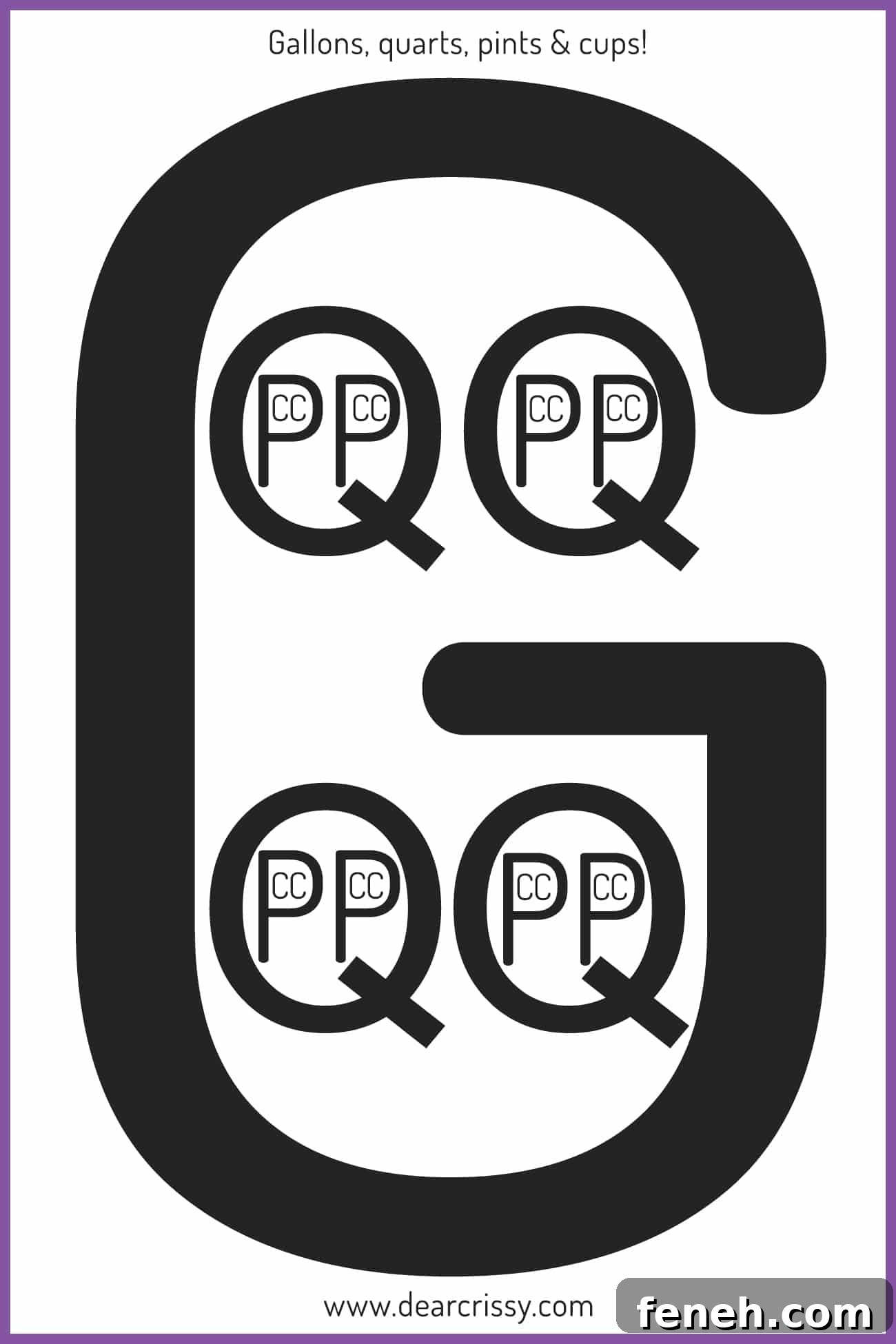
A simple visual helps these conversions stick: picture a large G for gallon, containing four Qs for quarts. Inside each Q, imagine two Ps for pints, and inside each P, two Cs for cups. Because each unit nests inside the next, the relationships become intuitive rather than a string of numbers.
Why Measurements Can Be Confusing
Confusion usually arises when recipes use different measurement systems. In the United States we use US cups, pints, and quarts. Many other countries use metric measurements, and some older British recipes rely on the imperial system, which differs from US measures. Mixing systems without converting properly explains many kitchen mishaps.
Another source of error is measuring technique. Dry measuring cups are meant to be filled and leveled for ingredients like flour and sugar, while liquid measuring cups have space and markings to allow you to read at eye level. For precise baking, a kitchen scale is often the best option, since weight measurements avoid the variability of scooping or packing.
Quick Kitchen Conversion Chart
Keep this chart close to your prep area for quick reference:
| Measurement | Equals |
|---|---|
| 1 gallon | 4 quarts |
| 1 gallon | 8 pints |
| 1 gallon | 16 cups |
| 1 quart | 2 pints |
| 1 quart | 4 cups |
| 1 pint | 2 cups |
Use this table for liquids like water, milk, and broth, and for dry items that level easily—such as rice, oats, or legumes. For ingredients that compact or vary in density, rely on weight measurements when precision matters.
Frequently Asked Questions
No. A dry quart is slightly larger than a liquid quart and is used for dry volumes like berries or grains. Most home recipes reference the liquid quart unless otherwise specified.
Group cups in sets of four. Every four cups equal one quart, making mental conversions quick and simple while you cook.
Recipes come from different regions and eras, so they may use metric, US customary, or imperial units. Using a conversion chart or a kitchen scale helps maintain consistent results across recipes.
Ultimately, you don’t need to memorize every conversion. A small reference chart or this guide on your phone can remove guesswork and help you focus on the cooking itself. With a few simple conversions committed to memory, you’ll spend less time measuring and more time enjoying the process and the results.
More Useful Posts
- How Many Ounces in a Gallon?