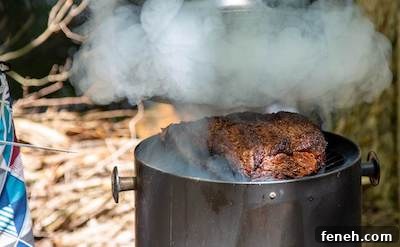
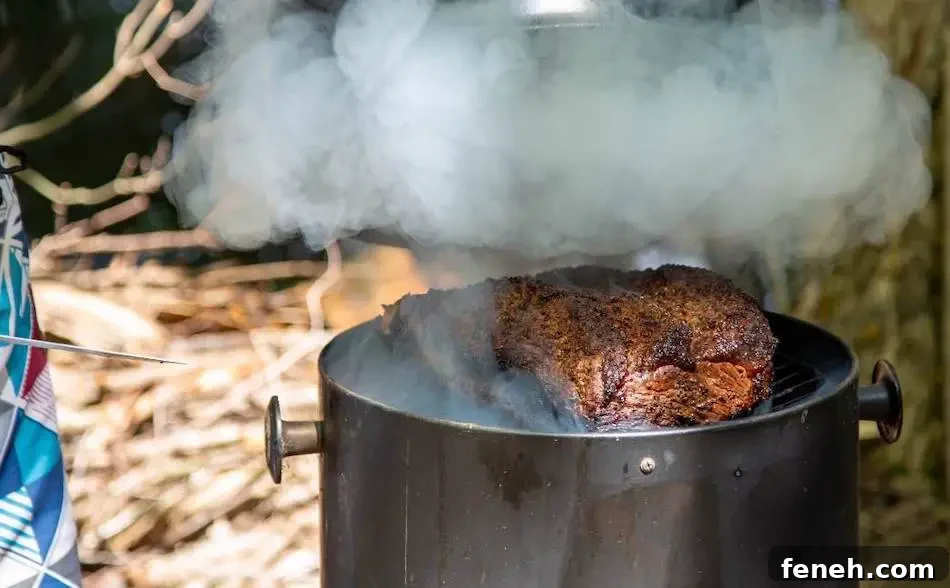
If you over-smoke a brisket, the result can be a bitter, unpleasant meal that’s difficult to rescue. Preventing over-smoking is far easier than trying to fix it afterward. Understanding the science of smoke and following a few core principles—fire management, ventilation, wood selection, and timing—will keep your brisket from turning bitter. With a solid grasp of these fundamentals, you should rarely, if ever, have to worry about over-smoking again.
Always ensure your smoker has adequate ventilation by leaving the top vent open. Proper airflow prevents excessive smoke exposure and reduces the chance creosote will form on the meat. Beware of using too much wood or very strong woods like mesquite and hickory; these can create overpowering smoke that masks the meat’s natural flavors. Aim for a clean, thin, blue-tinged smoke—never expose your brisket to thick black smoke.
Key Points
- Keep the top vent at least partially open to maintain airflow.
- Avoid overusing powerful woods like mesquite and hickory unless you want a dominant smoke flavor.
- Strive for a thin blue smoke; avoid thick, white or black smoke.
- Balance smoke with rub, salt and the meat’s natural flavor—don’t let smoke dominate.
- Wrap (foil or butcher paper) after a good bark forms to protect the meat and retain moisture.
- Use only a few chunks of wood at a time—two or three is often enough for charcoal smokers.
- Clean your smoker regularly to ensure clean smoke and reduce creosote buildup.
Get The Flavor Balance Right
The ideal smoked brisket showcases a harmony of flavors: smoke, rub, salt, and the meat itself. Some woods carry very strong flavors that can overwhelm everything else. You want to taste more than just smoke; the rub, the fat, and the meat’s natural character should all be present. Mesquite and hickory are potent choices—use them sparingly or blend with milder woods if you want complexity without overpowering smoke.
Foiling Your Brisket – Shield Your Meat
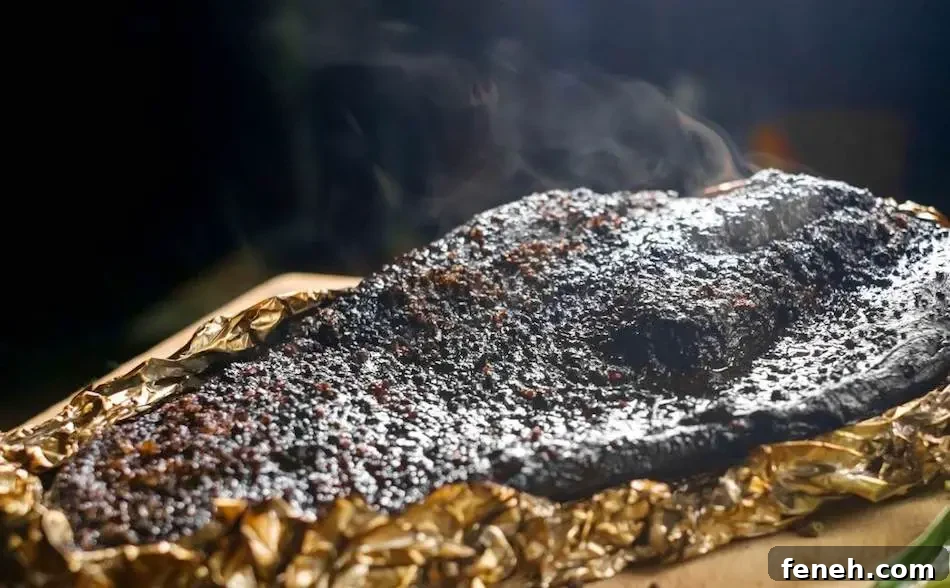
Wrapping a brisket in foil or butcher paper is a common technique to retain moisture and protect the meat from excess smoke once a bark has developed, usually after 5–8 hours of cooking. Some purists avoid wrapping to preserve a firmer bark, but for beginners it’s a reliable way to prevent over-smoking and maintain juiciness. Choose wrapping when you want more control over moisture and smoke exposure.
Create Good Airflow – Open Your Vents
Every smoker has vents or a chimney that allow smoke and gases to escape. Leave the top vent open about a quarter to let bad smoke exit and fresh air draw through. On kettle grills, position vents above the meat and opposite the fire to encourage smoke to flow over the brisket. Proper venting helps produce cleaner smoke and more even flavor.
Don’t Use Too Much Wood
Too much wood creates excess smoke and can turn brisket bitter. A steady, modest smoke during the early stage of the cook is all you need. For charcoal smokers, two or three chunks of wood are usually enough to get good smoke going. Add more only when necessary and avoid piling on wood, which can overwhelm the meat with heavy smoke.
Mesquite – Use With Caution
Mesquite is popular in some regions for its bold flavor, but it can dominate if used too much or too long. Brisket is a sturdy cut and tolerates smoke, but prolonged exposure to strong woods like mesquite will result in a one-note smoke taste. If you like mesquite, use it sparingly or blend it with milder woods to achieve nuance.
Use Smoking Wood Only
Always use seasoned, purpose-sold smoking wood rather than scavenged or green wood. Avoid softwoods like pine or spruce and any wood that produces sap or resin. Never use scrap wood or treated lumber, which may contain chemicals that will ruin the flavor and could be unsafe. If a wood smells off while burning, don’t use it for food.
Bad Smoke Equals Creosote
Bad smoke can cause creosote to form on the surface of the brisket. Creosote is a tar-like oily residue that tastes bitter and unpleasant. Once it forms, it’s difficult to reverse and will ruin the eating experience.
How To Avoid Creosote
Prevent creosote by maintaining a clean, hot fire and ensuring good airflow. If the top vent is closed or airflow is poor, smoke will linger on the meat and creosote can accumulate. Keep vents open, avoid smothered fires, and use only good, clean-burning wood.
What To Do if Your Brisket Has Creosote?
If you spot creosote forming, immediately open the vents and stop adding wood. Trimming the outer layer of the brisket can remove the worst of the bitter flavor, though you’ll lose some bark and rub. Slice thinly so each bite dilutes the remaining off-flavor; serving shredded or in sandwiches can help mask minor faults.
Want Clean Smoke? Clean Your Smoker
A dirty smoker produces dirty smoke. Grease and ash buildup can ignite and create bad smoke that taints your meat. Clean grates and sweep ash from the firebox regularly—ideally partially before every cook and a deeper clean every few cooks. A cleaner smoker gives a more stable fire and cleaner smoke, improving overall flavor and safety.
How To Save Your Over-Smoked Brisket
If smoke has gone too far, trim the outer layer where the taste is strongest. Shave away the most affected bark, slice thin, and serve with complementary sides or sauces that can balance or distract from lingering bitterness. Coleslaw in a sandwich, a vinegar-based sauce, or a spicy chili sauce can often mask residual harsh smoke better than a sweet barbecue sauce alone.
How To Get The Thin Blue Smoke
The sought-after thin blue smoke appears after initial thick white smoke clears. Start your fire and wait for it to settle into a steady, almost translucent bluish smoke before adding the brisket. This clear smoke indicates a clean burn and is the ideal environment for developing balanced smoke flavor. Achieving it consistently takes practice—stick to a method that works and change only one variable at a time when experimenting.
When To Add Wood – Get The Timing Right
Don’t add wood too early or it may burn out before the meat is on. Preheat until the temperature stabilizes, then add wood so fresh smoke is present when you load the brisket. Many pitmasters place wood on top of the coals; the key is to add wood when the fire is ready and producing clean smoke.
What the Experts Say
Experienced pitmasters generally recommend using locally available hardwoods and experimenting to find what suits your taste. Many suggest blending woods to create depth—oak and hickory are common favorites for beef, while fruit woods such as apple or cherry are gentler choices for poultry and pork. The consensus is to use hardwoods, avoid green or resinous woods, and adjust the mix to complement the meat rather than overpower it.
Recommended Tools
Useful tools include a quality meat thermometer with probes for both smoker and meat, an instant-read thermometer for spot checks, butcher paper or foil for wrapping, a sturdy injector if you brine or inject, and reliable grill brushes and ash tools to keep the smoker clean. Investing in these basics will help you manage temperature, protect meat moisture, and ensure cleaner, more consistent smoke.