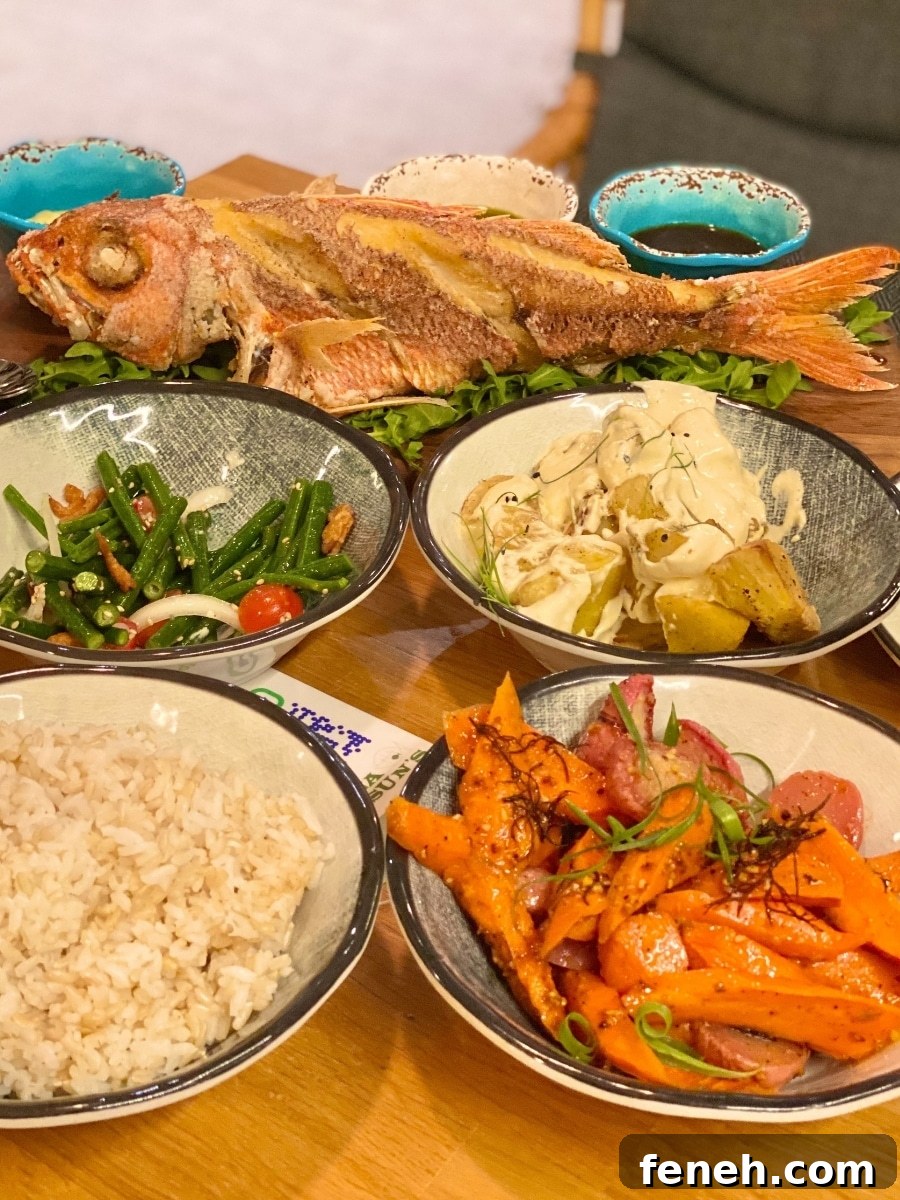
When you’re in Honolulu, enjoy Hawaiʻi Regional Cuisine — a delicious fusion that blends island ingredients, multicultural techniques and local tradition in every bite.
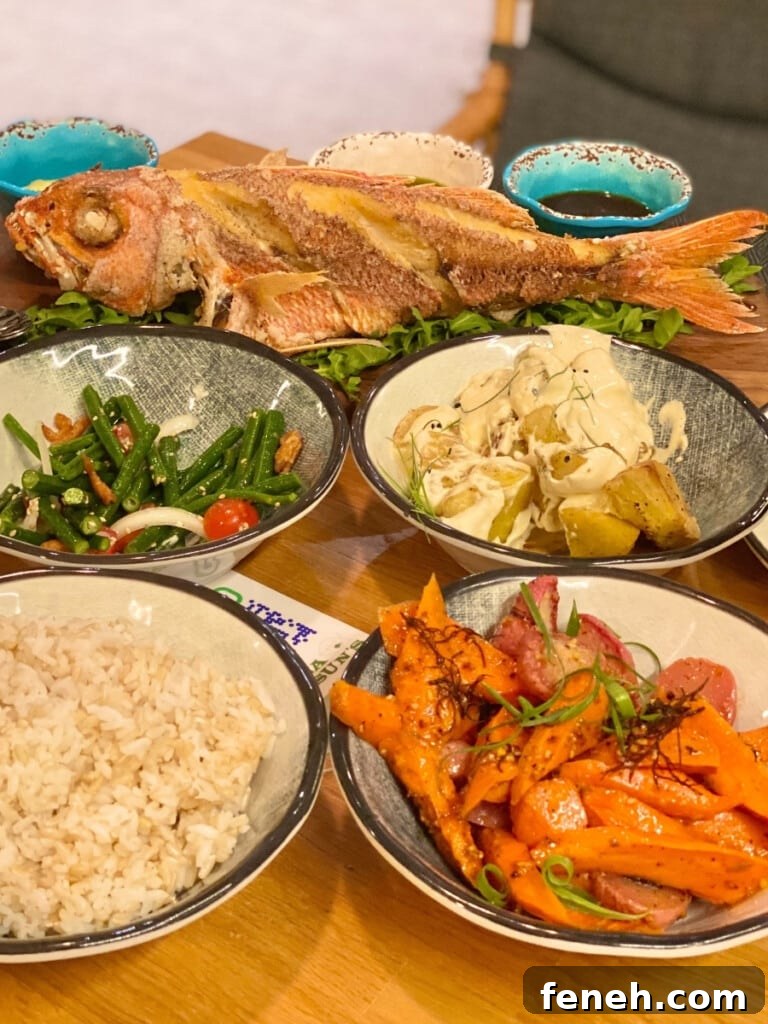
Hawaiʻi Regional Cuisine showcases the best of the islands by combining locally grown and caught ingredients with techniques and flavors drawn from the many cultures that make Hawaiʻi unique. Expect fresh seafood, taro, tropical fruits, macadamia nuts and inventive preparations that honor tradition while being refreshingly modern.
Below are our curated recommendations for restaurants in Honolulu that consistently deliver authentic and inspired Hawaiʻi Regional Cuisine. Each brings its own interpretation of island flavors, from farm-to-table tasting menus to lively neighborhood plates perfect for sharing.
Plan a visit to any of these local favorites to taste dishes that highlight ingredients such as taro, purple sweet potato, breadfruit, local pineapple and island-grown herbs.
Table of Contents
- 1. Monkeypod Kitchen Waikīkī
- 2. Mahina & Sun’s
- 3. Merriman’s Honolulu
- 4. Moku Kitchen
- 5. Eating House 1849
- 6. Roy’s Waikiki
- Oʻahu Local Farm Tours
- Visitor FAQs
1. Monkeypod Kitchen Waikīkī
Our top pick for Hawaiʻi Regional Cuisine with a spectacular ocean view.
📍 2169 Kālia Rd #111, Waikīkī
🕒 Open: Daily for breakfast, lunch and dinner
🍹 Happy Hour: Daily 3:30–5:00 pm
🎵 Live Music: Afternoons daily
🎟️ Reservations: Available via OpenTable or walk-ins accepted
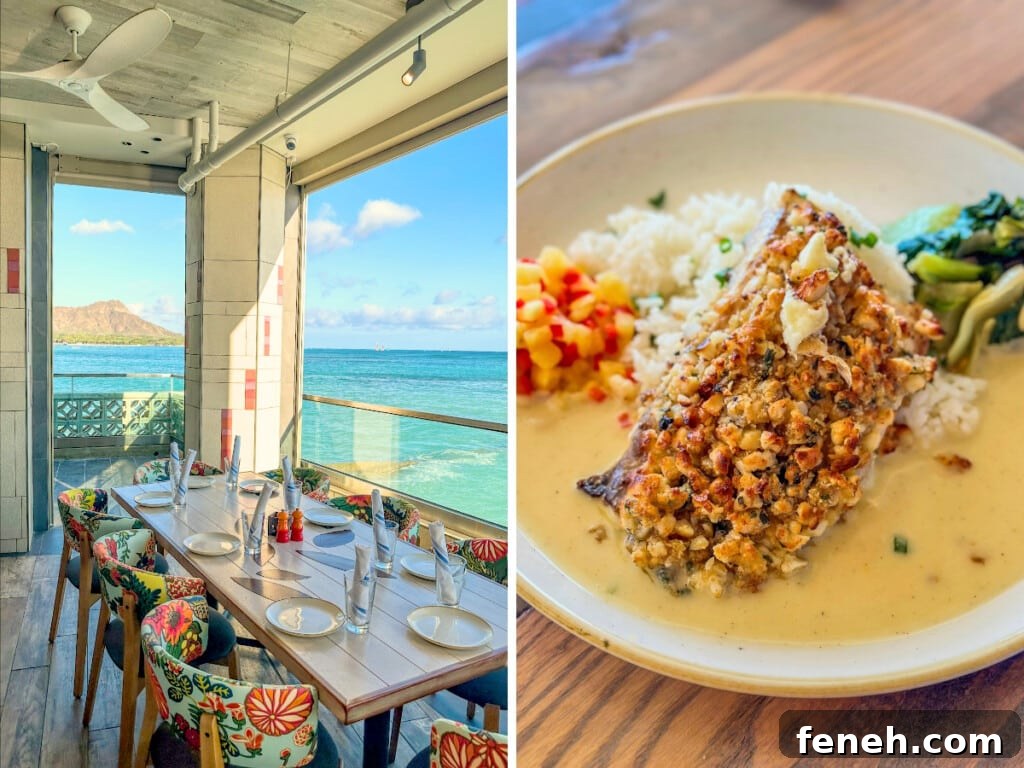
Monkeypod is known for its vibrant atmosphere, locally sourced ingredients and creative cocktails. The menu emphasizes fresh fish and seasonal produce with dishes that reflect Hawaiian flavors while remaining approachable and fun for groups and families.
2. Mahina & Sun’s
A creative menu that celebrates unique island flavors.
📍 412 Lewers St, Waikīkī
🕒 Open: Daily for lunch and dinner
🍹 Happy Hour: Daily noon–5:30 pm
🎵 Live Music: Evenings daily
🎟️ Reservations: Available via OpenTable or walk-ins
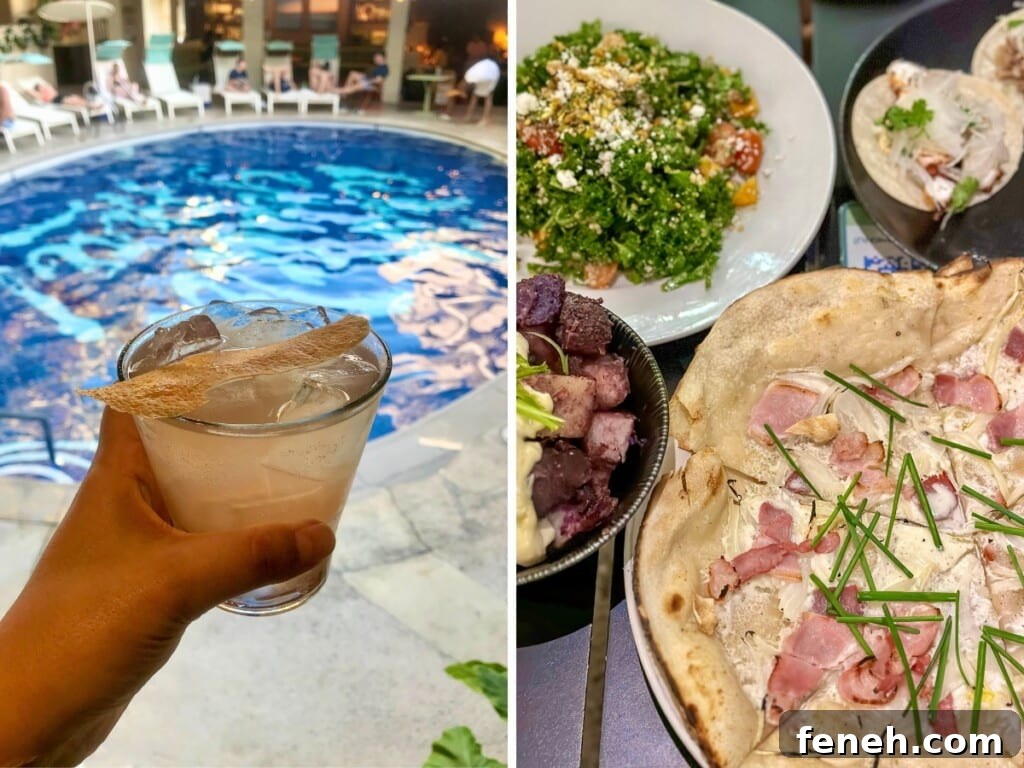
Mahina & Sun’s blends inventive dishes with a relaxed, surf-inspired setting. Their menu often highlights local produce and seafood through unexpected combinations and thoughtful presentations. It’s a great spot for tasting menus or sharing plates with friends.
3. Merriman’s Honolulu
Chef Peter Merriman’s take on farm-to-table dining with island-grown ingredients.
📍 1108 Auahi St #170, Kakaʻako
🕒 Open: Daily for lunch and dinner
🍹 Happy Hour: Daily 3–5 pm (bar only)
🎵 Live Music: Afternoons daily
🎟️ Reservations: Available via OpenTable or walk-ins
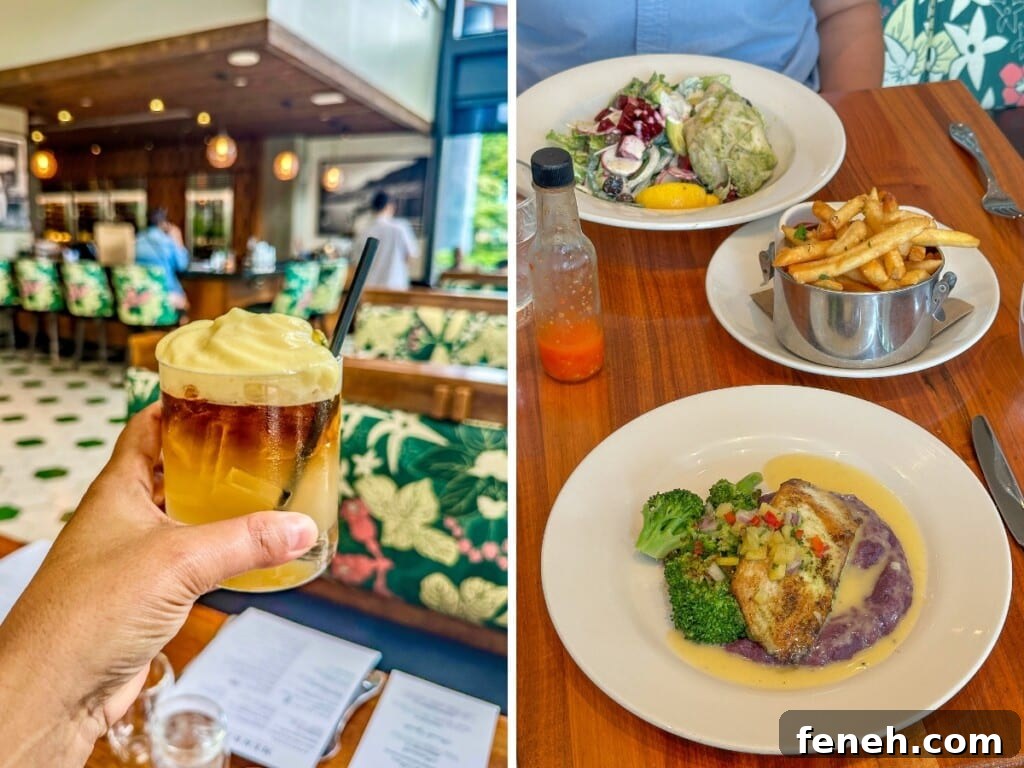
Merriman’s reputation grew from a focus on local sourcing and seasonal menus. The food emphasizes clean, bold flavors and respectful treatments of island-grown produce and seafood. It’s ideal for diners looking for a refined, ingredient-driven meal.
4. Moku Kitchen
Casual, flavorful Hawaiʻi cuisine served in a relaxed Honolulu space.
📍 660 Ala Moana Blvd, Kakaʻako
🕒 Open: Daily for lunch and dinner
🍹 Happy Hour: Daily 2–5:30 pm
🎵 Live Music: Evenings daily
🎟️ Reservations: Available via OpenTable or walk-ins
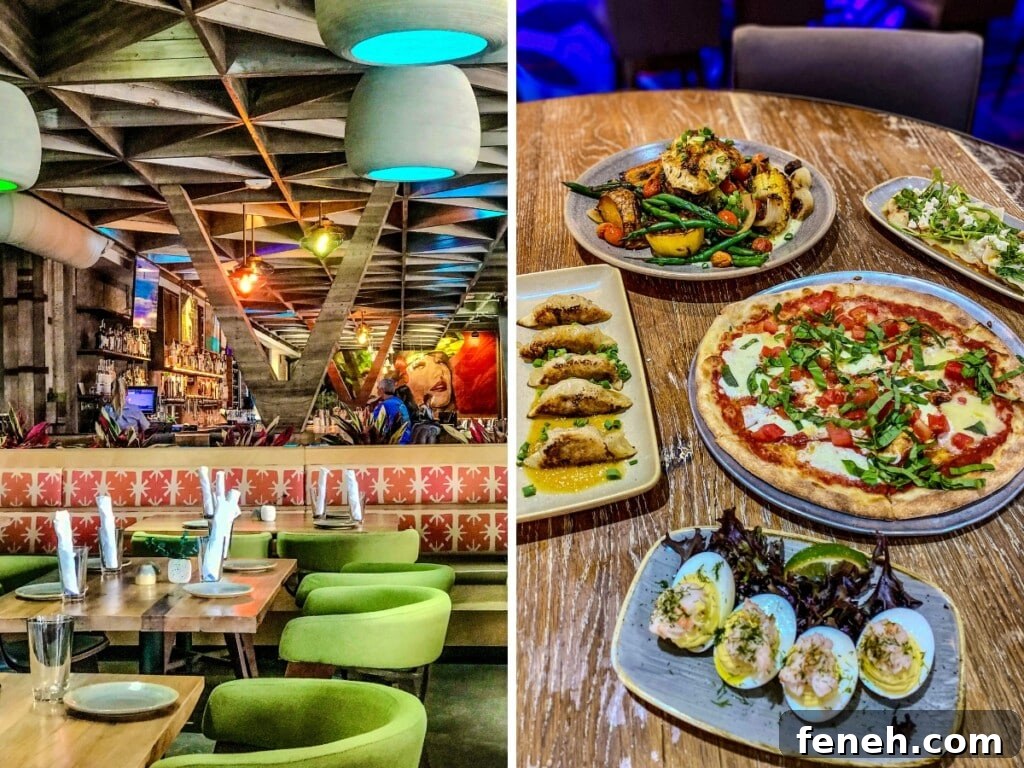
Moku Kitchen serves familiar favorites alongside dishes that highlight local ingredients. The atmosphere is welcoming and ideal for groups. Expect shareable plates, wood-fired items and preparations that play up island produce and proteins.
5. Eating House 1849
Menus inspired by Hawaiʻi’s plantation history and culinary traditions.
📍 2330 Kalākaua Ave #322, Waikīkī
🕒 Open: Daily for dinner; brunch Sat–Sun
🍹 Happy Hour: Various daily times for restaurant, lounge and bar areas
🎵 Live Music: None regularly scheduled
🎟️ Reservations: Available via OpenTable or walk-ins
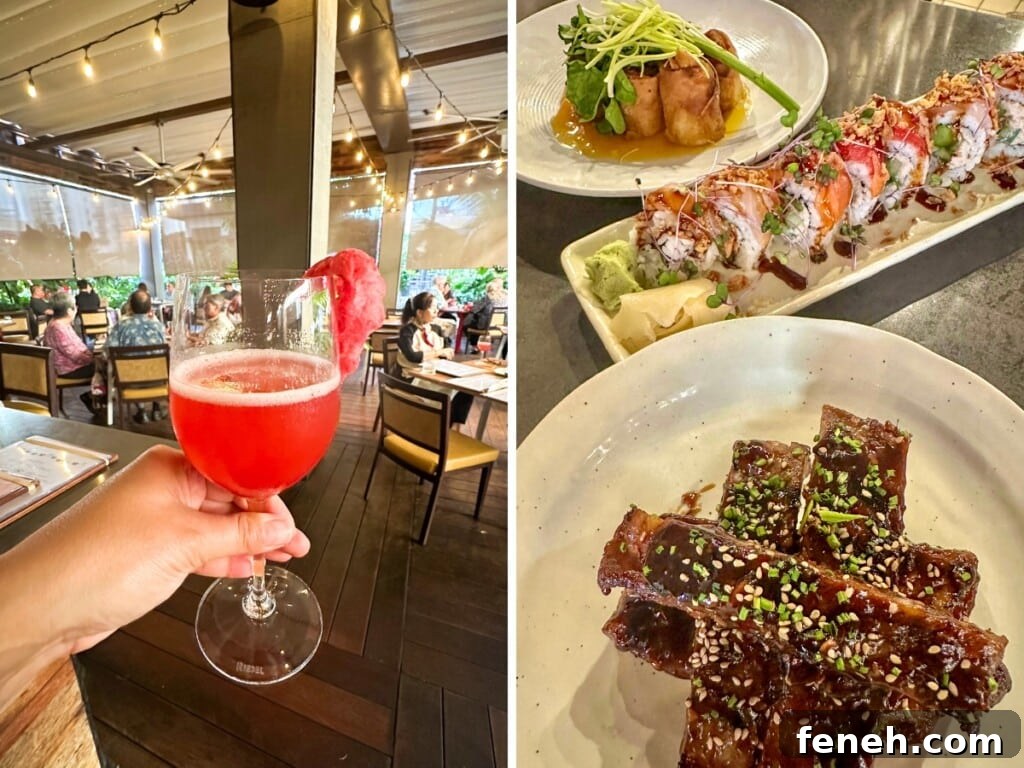
Eating House 1849 blends nostalgia with contemporary flavors, nodding to the islands’ plantation past while presenting dishes that appeal to modern tastes. Expect bold flavors, family-style options and inventive takes on comfort classics.
6. Roy’s Waikiki
Roy’s has been serving Hawaiʻi Regional Cuisine in Waikīkī for many years.
📍 226 Lewers St, Waikīkī
🕒 Open: Daily for dinner
🍹 Happy Hour: Not typically offered
🎵 Live Music: Not regularly scheduled
🎟️ Reservations: Available via OpenTable or walk-ins
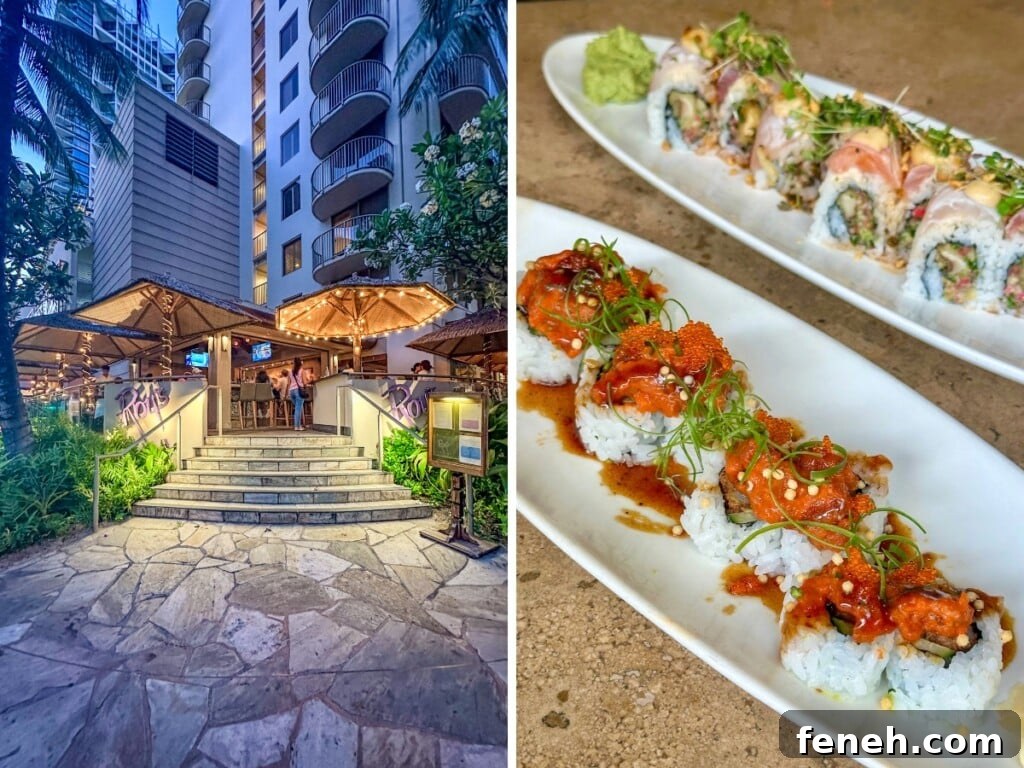
Roy’s is known for combining Hawaiian ingredients with international techniques to create approachable fine dining. The menu highlights thoughtful seafood preparations and vibrant fusion flavors that have made the restaurant a longtime favorite.
In short, Hawaiʻi Regional Cuisine offers a delicious reflection of the islands’ culinary history by blending multicultural influences with locally sourced ingredients.
Please follow us @ WAIKIKIBEACHSTAYS
Read Next
- Where To Try Hawaiian Food in Honolulu
- Experience Waikīkī’s Tiki Bar Culture
- Must-Try Fun Theme Restaurants in Waikīkī
Oʻahu Local Farm Tours
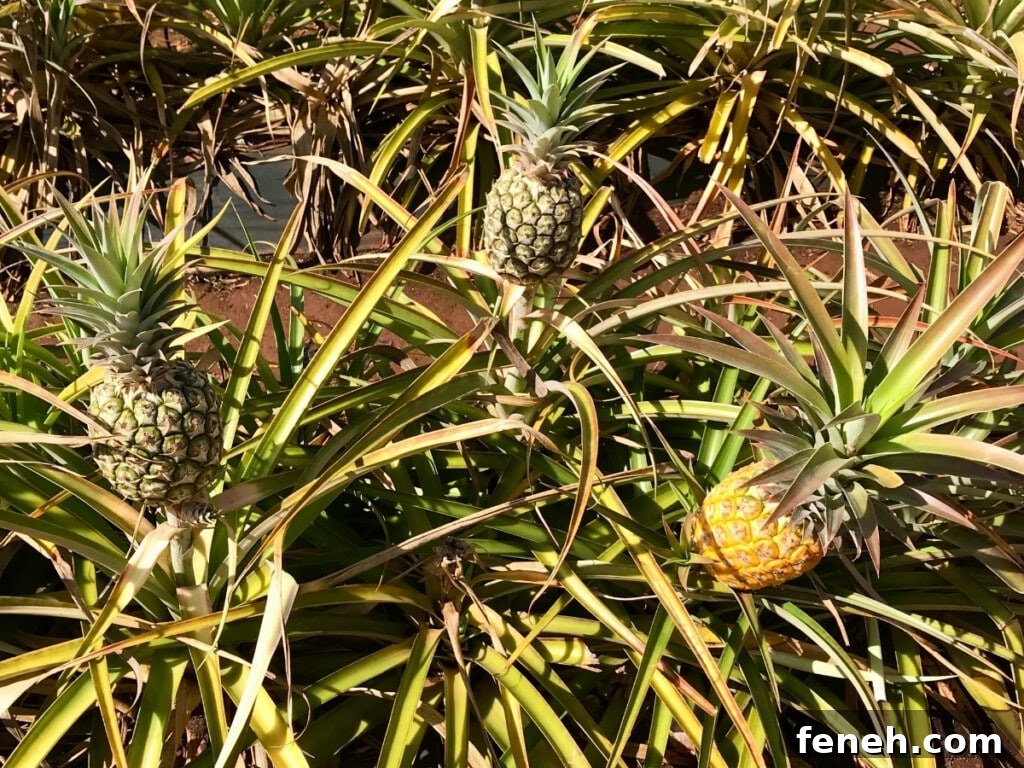
Pineapple Farm & North Shore
- Tour the Dole Plantation pineapple fields
- Includes a souvenir boxed pineapple
- Visit famous North Shore beaches and Haleʻiwa surf town
- Travel by coach; infants must sit on laps
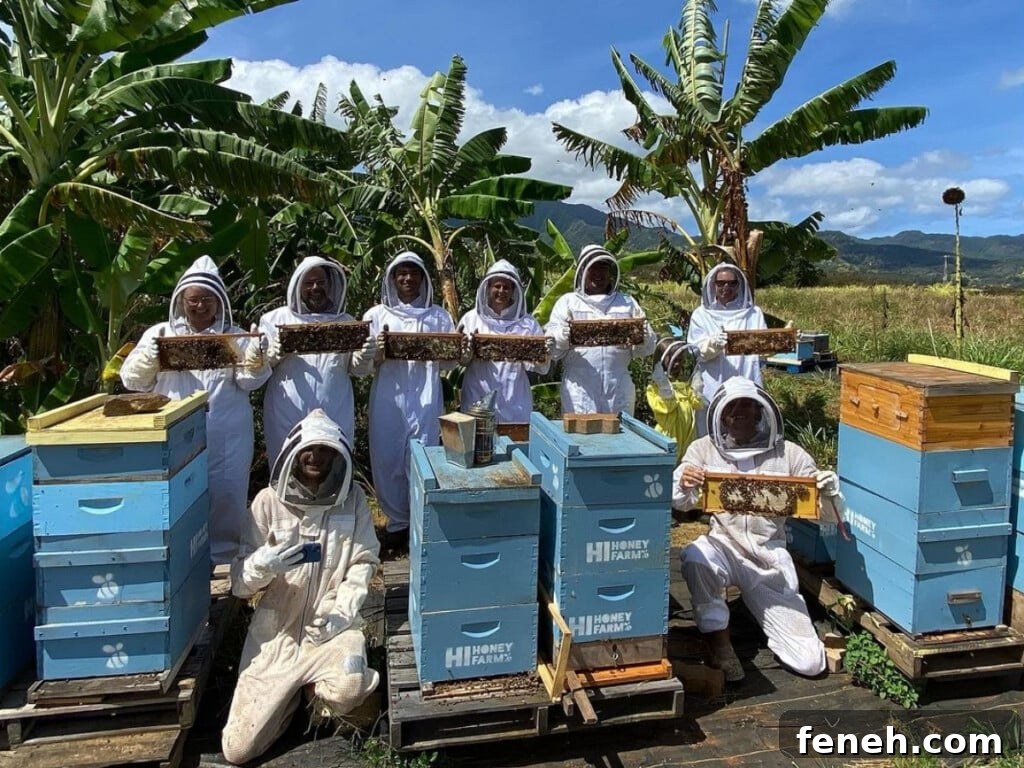
Bee Farm Tour & Honey Tasting
- Family-friendly ecotour on Oʻahu
- Taste a variety of local honeys
- Experience the North Shore’s rural charm
- Full beekeeping suits and gloves provided
Visitor FAQs
Hawaiʻi Regional Cuisine is a culinary movement that celebrates the islands’ diverse cultural influences and abundant local ingredients. Originating in the early 1990s, the movement brought together chefs who wanted to showcase Hawaiian-grown produce, Pacific-caught seafood and island-raised proteins using techniques inspired by Native Hawaiian, Polynesian and immigrant culinary traditions. The result is a distinct, modern cuisine that honors heritage while focusing on freshness and local sourcing.
A group of local chefs helped launch the Hawaiʻi Regional Cuisine movement in the early 1990s. These chefs promoted locally produced food, opened influential restaurants, and advocated for island farmers, ranchers and fishermen. Their work helped elevate Hawaiʻi’s culinary profile and encouraged a generation of cooks to use native and local ingredients creatively.
Traditional Hawaiian food is rooted in the native diet and techniques—taro, fish, sweet potato and pork prepared simply through steaming, baking in imu (earth oven), or raw preparations like poke. Hawaiʻi Regional Cuisine builds on those foundations but incorporates influences from Japanese, Filipino, Portuguese, Chinese and other immigrant cuisines, applying contemporary techniques and a focus on local sourcing to create new, hybrid dishes.