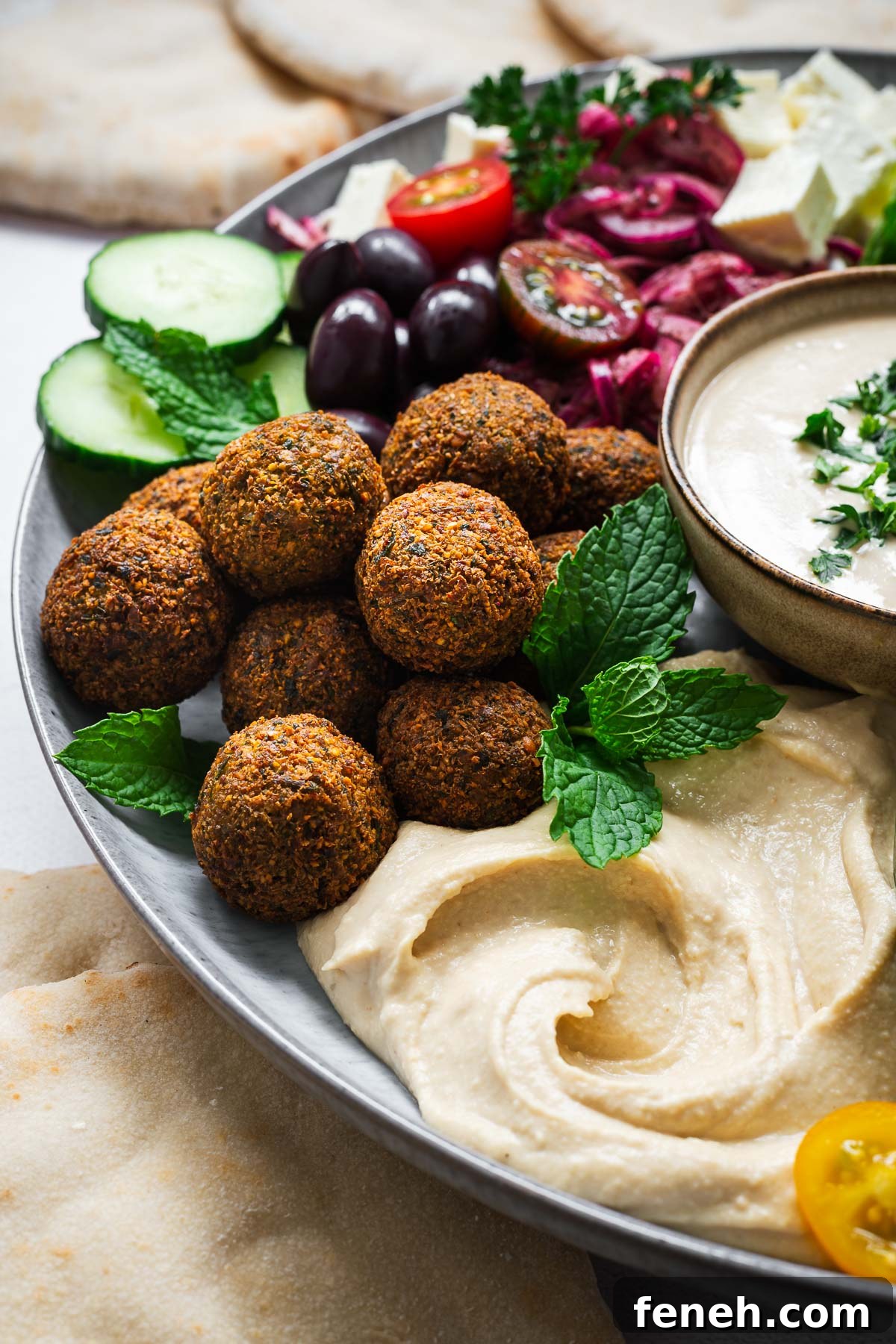
The combination of golden-brown falafel, creamy hummus, bright lemon tahini and crisp fresh vegetables makes for a timeless Middle Eastern meal.
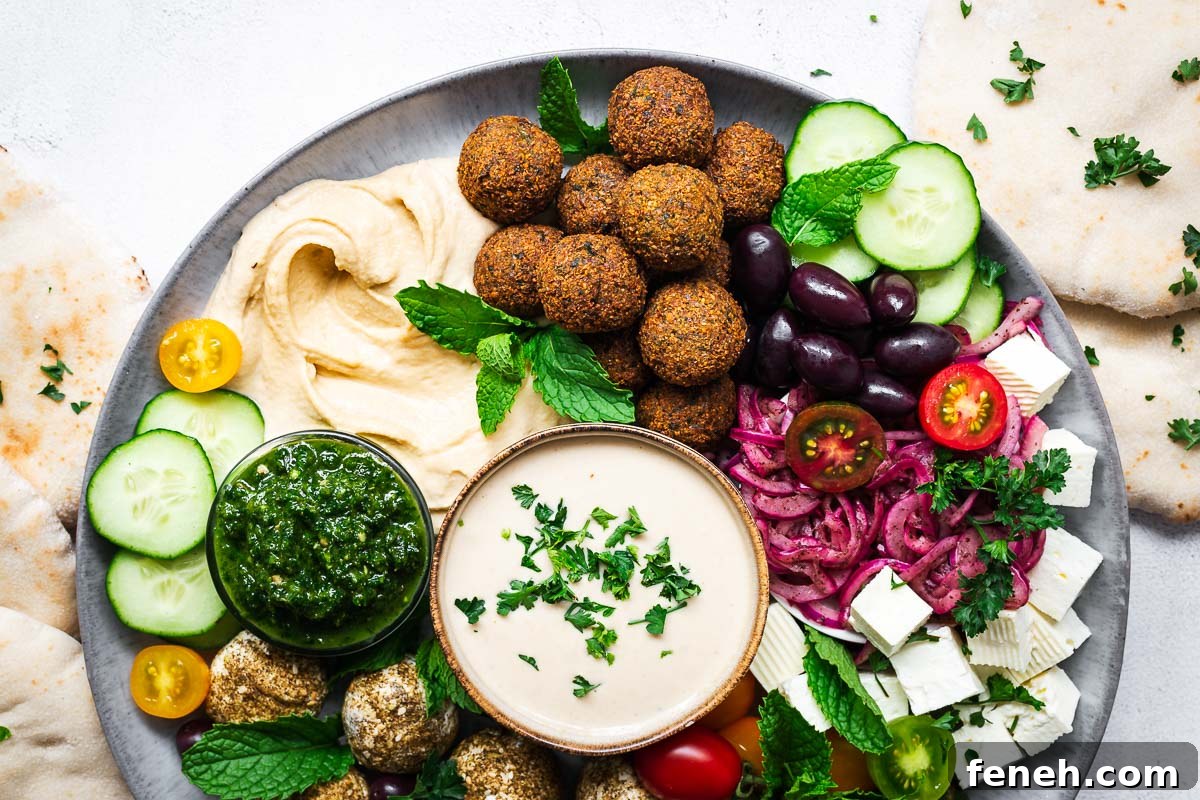
Serve this falafel mezze platter on a large board for sharing, or plate individual falafel plates for a relaxed dinner.
You can prepare everything from scratch — homemade falafel, hummus, tahini sauce and labneh balls — and I outline a simple get-ahead plan for each component. For an easier option, use good-quality store-bought versions and assemble the platter quickly.
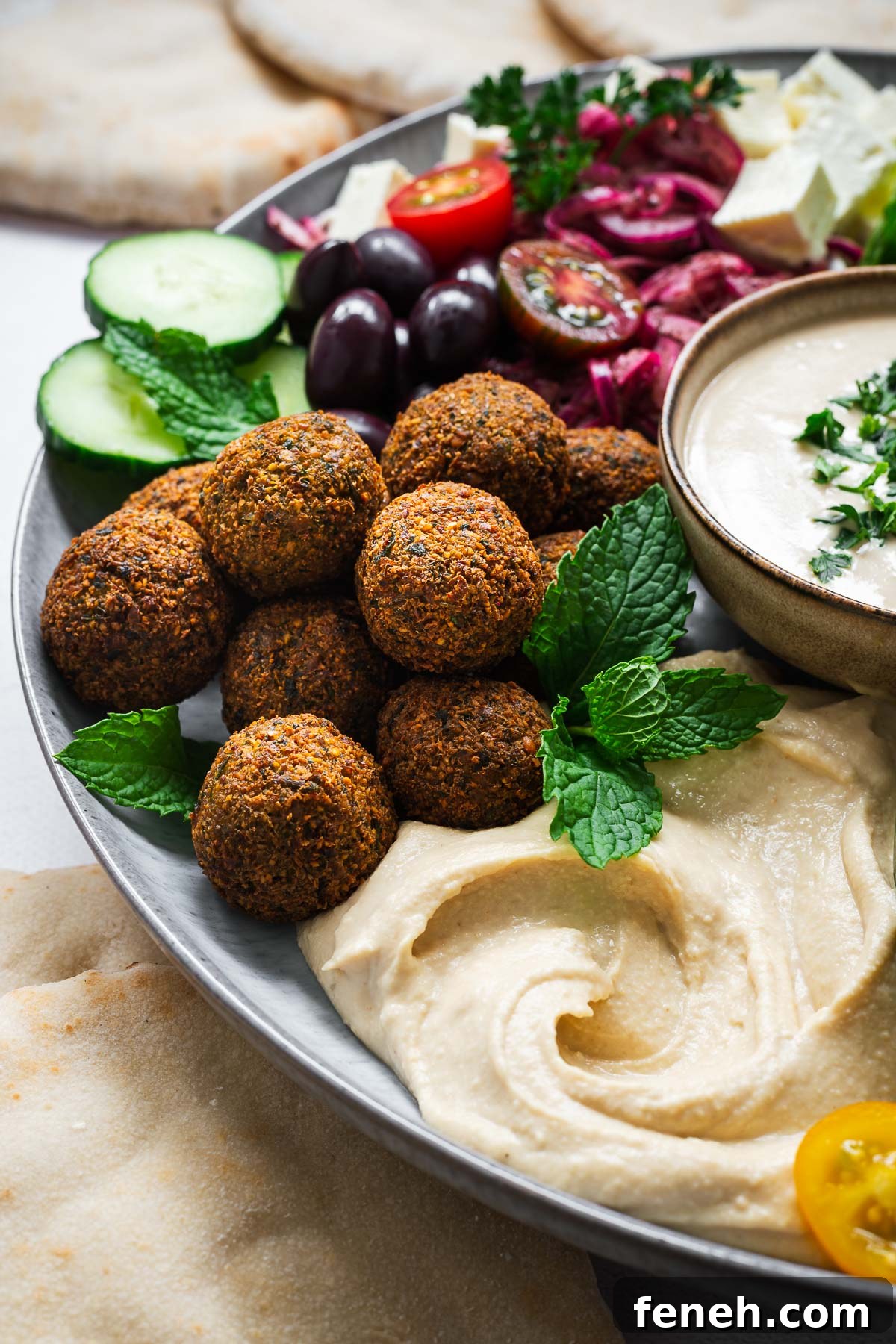
Read on for tips on building a beautiful, flavourful falafel plate, or jump to the recipe card below.
In this post:
- Falafel plate ingredients
- How to make a falafel plate (and how to prep ahead)
- More falafel serving suggestions
- Falafel plate recipe card
What is a falafel plate?
A falafel plate is a mezze-style dish centered on falafel patties or small balls — herbed chickpea fritters — served with sides like hummus, tahini sauce, fresh vegetables (tomato, cucumber, lettuce), pita bread and pickles. It’s a satisfying vegetarian staple across Middle Eastern cuisines.
Follow the recipe card for proportions and assembly, arranging the falafel and accompaniments on a large platter for sharing or plating individual portions.
Falafel plate ingredients
This falafel plate features classic Middle Eastern elements: crisp falafel balls, creamy hummus, lemony tahini, fresh vegetables and warm pita bread. I also include labneh balls and tangy sumac onions for extra texture and flavour.
Use the recipe as a guide and adapt it to your tastes — switch up vegetables, sauces or pickled elements to create your perfect mezze board.
Falafel mezze platters are ideal for experimenting with combinations and sharing with friends or family.
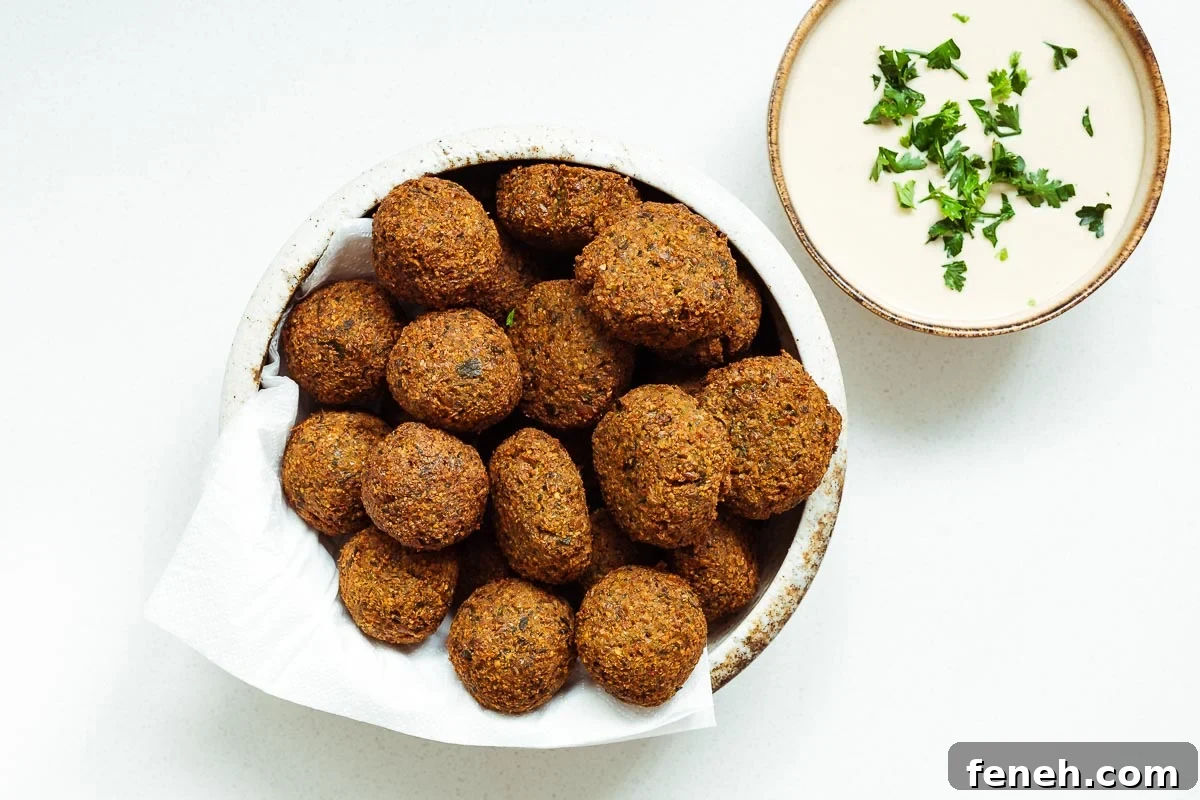
Falafel
Whether you make traditional falafel from soaked dried chickpeas, try a baked version with canned chickpeas, or use shop-bought falafel, they are the star of the platter. Plan on about four small falafel per person alongside generous dips and salad components.
For classic falafel, soak dried chickpeas overnight rather than using canned chickpeas — canned beans lack the needed starch and can cause patties to fall apart during frying. Grind soaked chickpeas with onion, garlic, fresh herbs, spices and a little baking powder in a food processor, then shape into small balls or patties.
The raw falafel mixture can be refrigerated for up to 24 hours; shaped balls can be frozen for around a month and cooked straight from frozen.
Falafel sauce
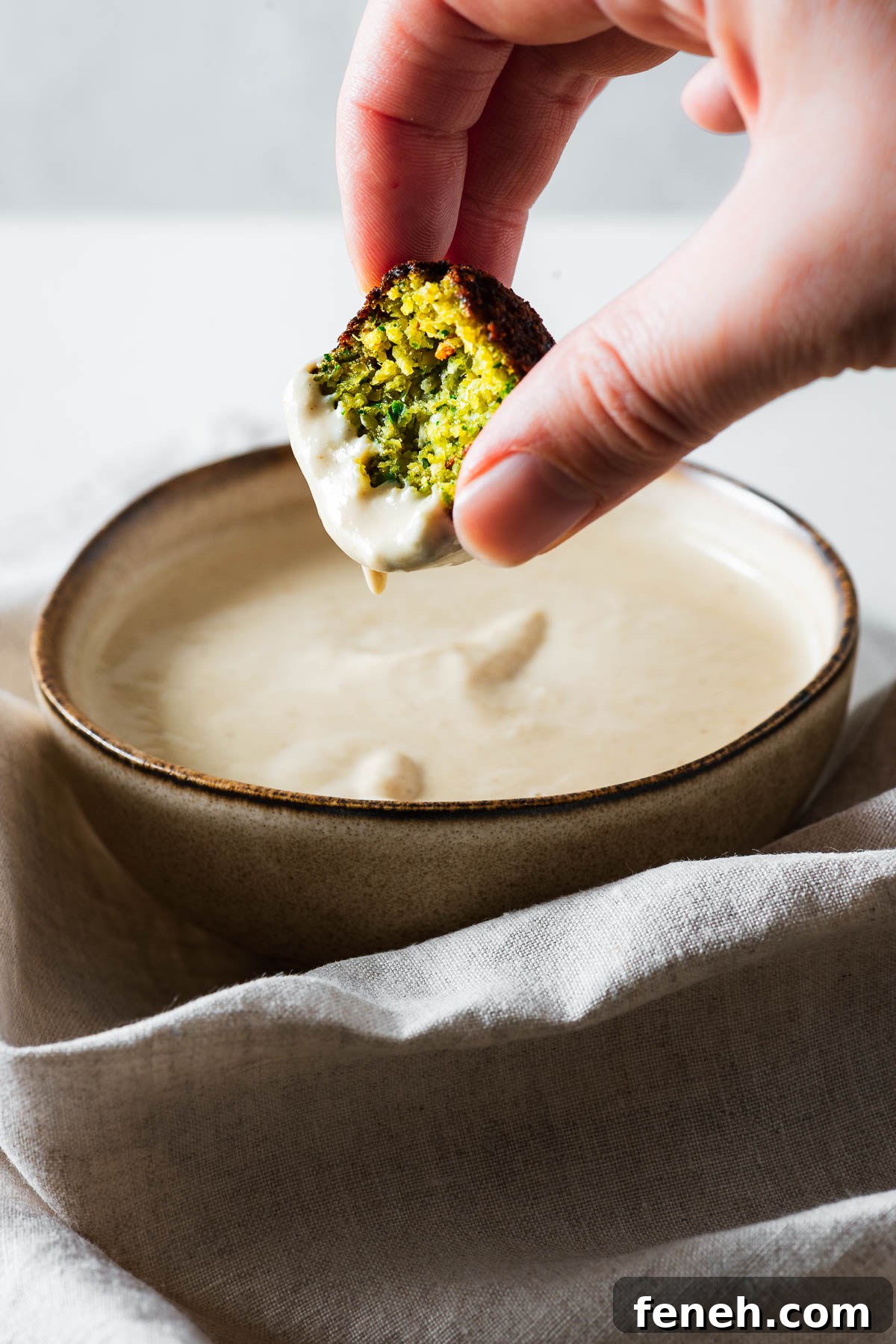
A good falafel plate needs a delicious sauce. While tzatziki works, lemony tahini sauce is my preferred choice — it brings a rich, nutty, citrusy note that complements the herbs and spices in the falafel. Tahini is a paste of ground sesame seeds and is commonly used across Levantine cuisines.
You can make tahini sauce at home or use a quality store-bought jar. Tahini-based sauces keep well in the fridge for several days and often taste even better after the flavours mellow.
Hummus
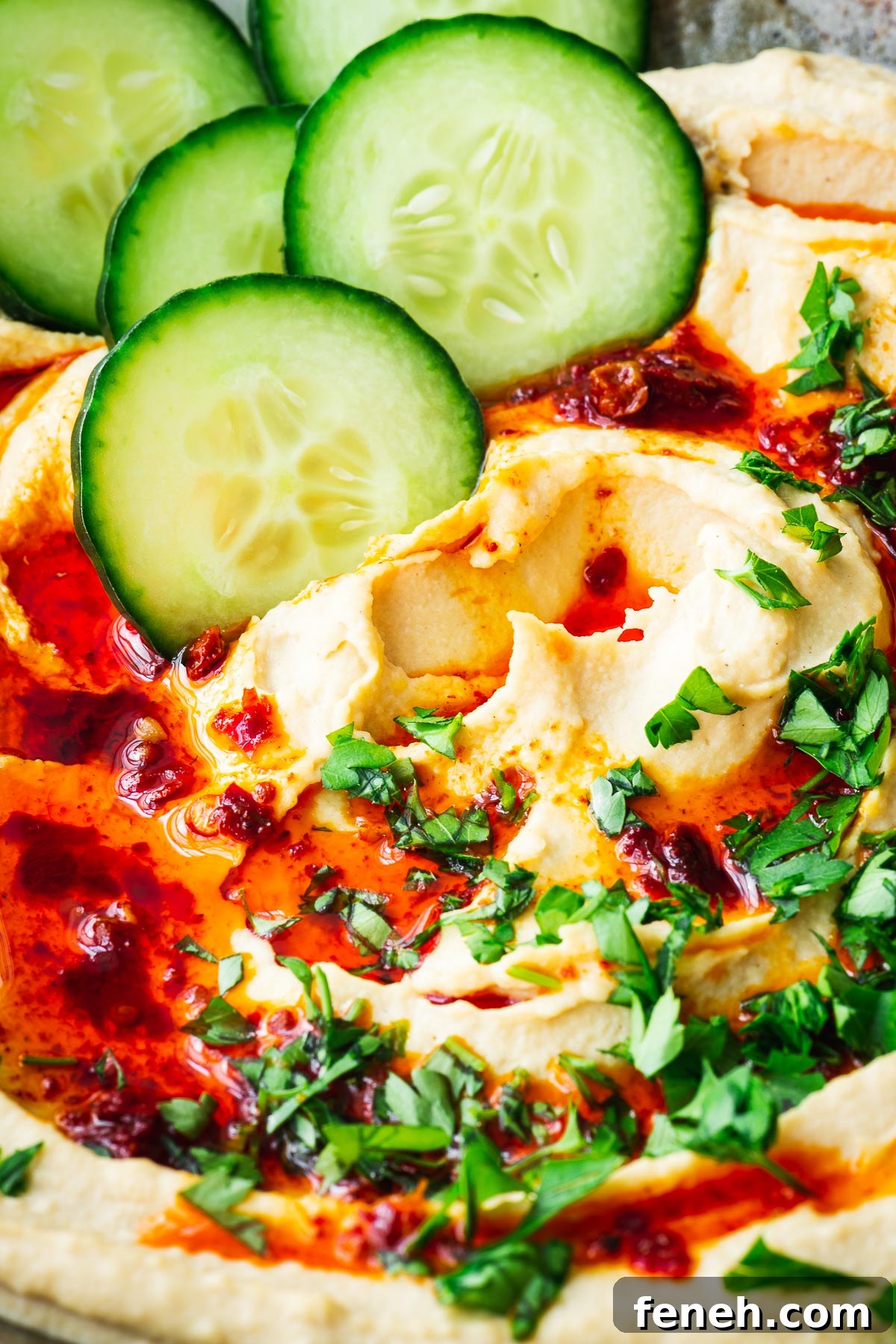
Hummus is a must on the falafel plate. The creamy chickpea dip pairs perfectly with fried falafel. Choose a good-quality store-bought hummus for convenience or make a silky homemade version using dried or canned chickpeas and a touch of lemon for brightness.
Sumac onions
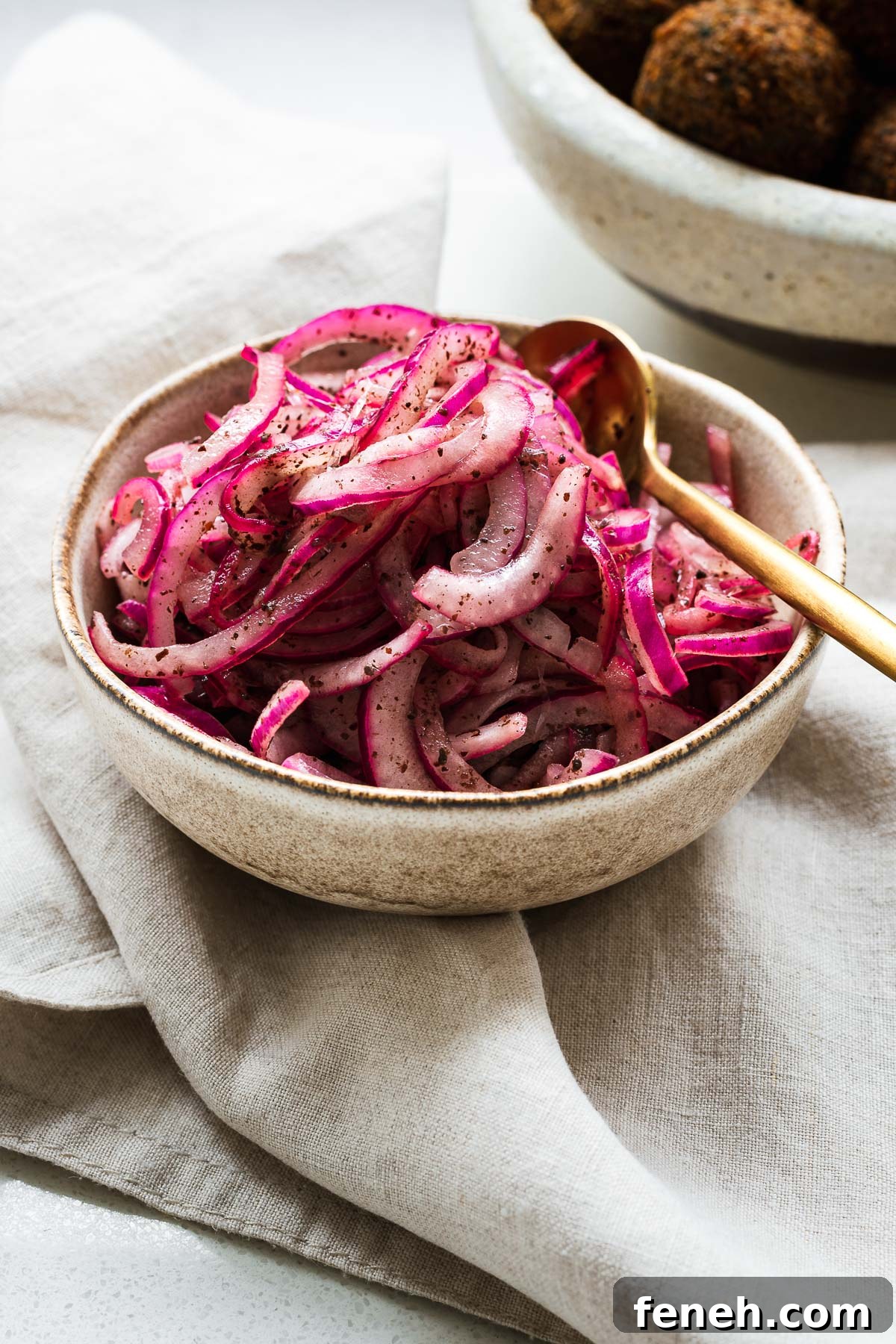
Sumac onions are thinly sliced red onions marinated with sumac and lemon juice. They’re less pungent than raw onion and add a tart, slightly sweet crunch. If you prefer, use thin raw onion slices or store-bought pickled red onions.
Labneh balls
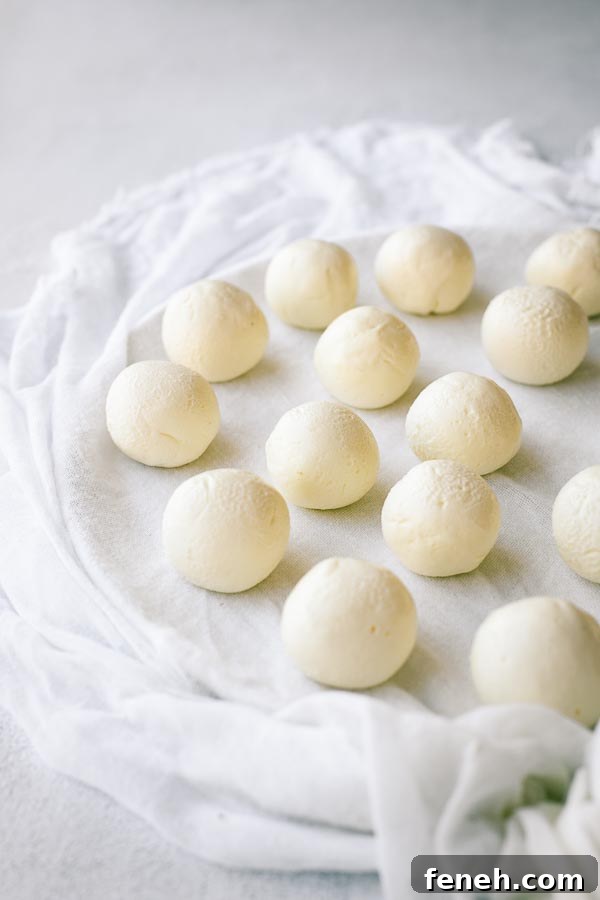
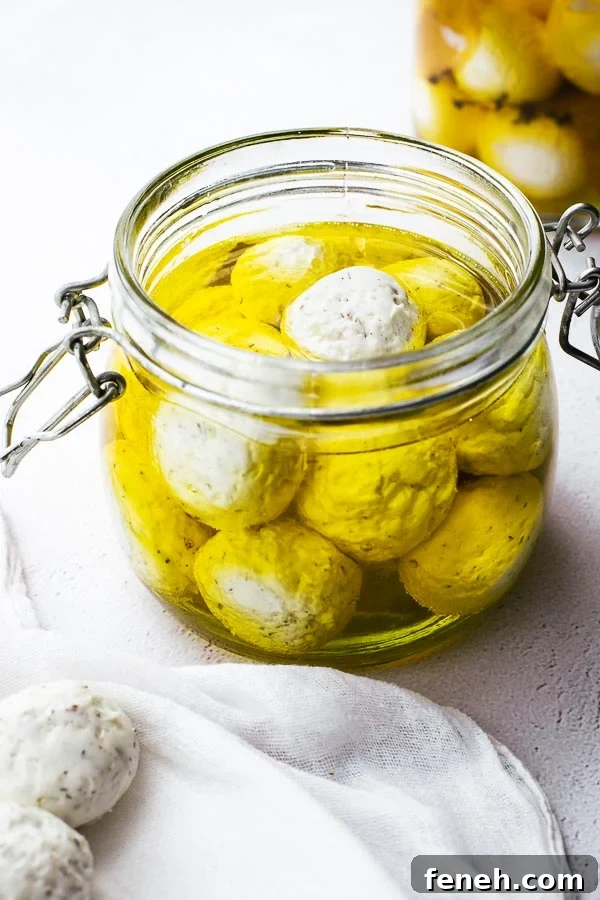
Labneh is strained yoghurt with a tangy, creamy texture that works beautifully as a spread or shaped into individual balls. Roll labneh balls in za’atar for a fragrant coating, or drizzle a spread of labneh with olive oil and za’atar. If you prefer, substitute thick Greek yoghurt or a plant-based alternative.
Fresh veggies
I like a simple mix of small heirloom tomatoes, cucumber rounds, kalamata or green olives and cubed feta — a deconstructed Greek-style salad. You can swap in cherry tomatoes, sliced red pepper or a different olive variety to suit your taste.
For a larger mezze spread, include salads like Arabic chopped salad, tahini-dressed Israeli salad or a bulgur wheat salad.
To serve
Finish the platter with fresh herb sprigs (mint, parsley or cilantro) for colour and lift. Serve with warm pita bread, pita wedges or pita chips. Omit bread to turn the platter into a gluten-free falafel salad.
A bright hot sauce like zhoug — a cilantro and chilli-based condiment — makes a lively spicy addition, or use your preferred bottled hot sauce.
Keeping it plant-based?
To keep the platter vegan, use vegan feta and skip the labneh balls, or replace labneh with a creamy vegan baba ganoush. Falafel and most of the sides are naturally plant-based. Omit pita to keep the meal gluten-free and serve with a grain salad if desired.
Want to add more?
This simple falafel plate is flexible. Add any Middle Eastern sides you like, for example:
- muhammara (walnut and roasted red pepper dip)
- tabbouleh or bulgur wheat salad
- pickled vegetables
- roasted vegetables like eggplant or peppers
- fresh salad leaves such as crunchy iceberg or peppery arugula
How to make a mezze-style falafel platter
Whether you present this as a sharing grazing board or individual plates, much of the work can be done ahead. You can use shop-bought components, but homemade elements store well and make the platter feel special.
A few weeks ahead
Make labneh and preserve labneh balls in olive oil for up to four weeks. Zhoug keeps well in the fridge for several weeks. You can also freeze uncooked shaped falafel balls and fry them from frozen; the falafel mix can be prepared up to four weeks before cooking.
A few days ahead
Prepare hummus and lemon tahini sauce a few days ahead and store in airtight containers in the fridge. The flavours often improve as they rest.
A day before
If you’re making traditional falafel, grind and mix the chickpea mixture a day ahead; it holds well in the refrigerator for 24 hours.
Assemble the falafel plate
Cook falafel in batches, drain briefly on paper towel, and arrange all components on a serving plate or board. Falafel are best served warm and crisp, but they’re also tasty at room temperature for picnics or packed lunches.
Frequently asked questions
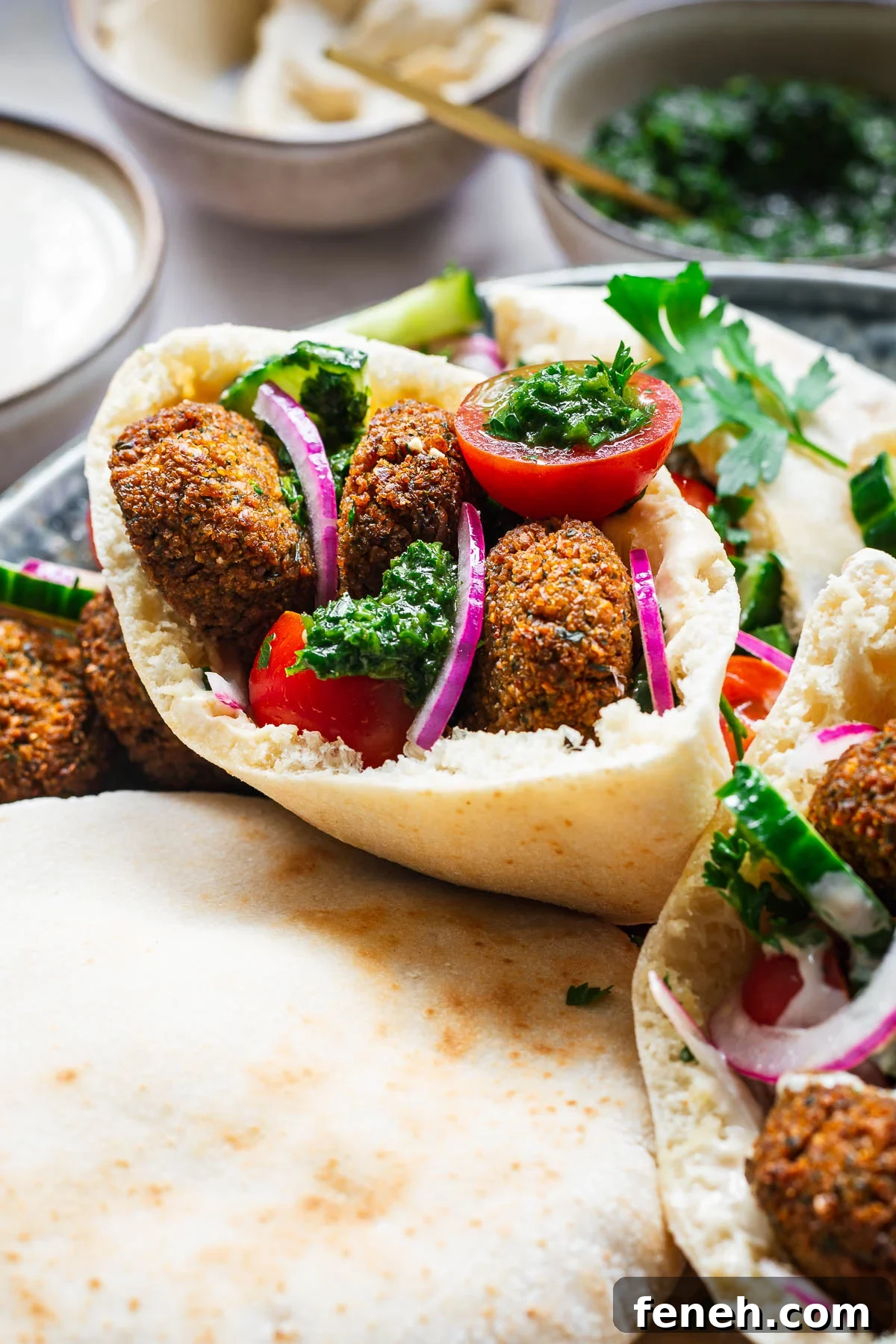
Cut pita in half to make pockets, spread with hummus and fill with falafel and fresh vegetables like tomatoes, cucumbers and onions. Top with tahini sauce, hot sauce and chopped parsley for a vibrant sandwich. Alternatively, build a plate and dip each bite into hummus and tahini.
Falafel pairs well with hummus, tahini sauce, fresh vegetables, pickles, labneh or baba ganoush, and pita bread. Arrange these on a platter for a mezze-style meal or serve inside pita as a sandwich.
Want more ideas to serve falafel?
Freshly fried falafel are best enjoyed warm and crisp, but they also work cold for picnics. Serve falafel as:
- a snack with dips like tahini or tzatziki,
- a falafel sandwich stuffed into a warm pita pocket with hummus, tomatoes, cucumber, parsley and tahini,
- a vegan falafel burger with a large patty in a bun with relish and crunchy greens,
- a mezze-style falafel plate alongside hummus, labneh balls and sumac onions,
- a falafel bowl with bulgur or a grain salad and tahini dressing, or
- a falafel salad topped with crispy falafel and a fresh chopped or tahini-style salad.
Falafel Plate (With Hummus, Tahini Sauce & Labneh)
Ingredients
- 16 falafel balls*
- 1 cup tahini sauce
- 1 cup hummus
Sumac onions
- 1 red onion, thinly sliced in half-moons
- 1 tablespoon sumac
- 1 tablespoon lemon juice
- a pinch of salt
Za’atar labneh balls
- 8 plain labneh balls*
- 2 tablespoon za’atar
To serve
- 1 cup cubed feta cheese
- 1 cup mixed small tomatoes
- ½ English cucumber, sliced into rounds
- ½ cup olives
- extra-virgin olive oil
- salt flakes and black pepper
- a few sprigs of mint and parsley
- zhoug or hot sauce
- 4 pita bread*
Instructions
-
If making from scratch, prepare falafel, tahini sauce and hummus up to a day ahead.
Sumac onions
-
Slice onions thinly and soak in cold water for 10–30 minutes. Drain well.
-
Toss drained onions with sumac, lemon juice and a pinch of salt. Massage the sumac into the onions and set aside for 20 minutes.
Za’atar labneh balls
-
Place za’atar on a plate and roll each labneh ball in the za’atar to coat evenly.
Assemble the falafel plate
-
Use a large serving plate, wooden board or individual plates.
-
Place the dipping sauce (tahini or tzatziki) in a small bowl at the centre.
-
Swirl hummus on the plate or put it in a small bowl for wooden boards.
-
Arrange falafel, sumac onions, labneh balls, feta, tomatoes, cucumber and olives around the sauce.
-
Drizzle vegetables with olive oil and season with salt and pepper.
-
Garnish with fresh herbs and serve with pita and zhoug or hot sauce on the side.
Notes
- I use 16 small falafel balls (about 25 g each) for four people. If making traditional falafel, soak dried chickpeas overnight before processing. Quick baked falafel can be made with canned chickpeas, or use store-bought falafel for convenience.
- Buy ready-made labneh balls or roll fresh labneh into tablespoon-sized balls and chill for at least 2 hours before coating with za’atar.
- Use pitted olives for convenience or warn diners if olives still contain pits.
- Omit pita to make a gluten-free falafel salad platter.
- Build individual plates if you don’t have a large serving board.
- The listed prep time does not include time required to make homemade falafel, hummus, tahini or labneh from scratch.
Related falafel plate recipes:
- Lemony Hummus Without Garlic (3 Ways)
- Easy Lemon Tahini Sauce
- Crispy Middle Eastern Falafel
- Easy Baked Falafel (With Canned Chickpeas)
- Sumac Onions (Marinated Red Onion Salad)
- How to Make Labneh (Yoghurt Cheese)
- Garlic and Herb Labneh Balls in Olive Oil
- Zhoug Sauce (Spicy Cilantro Skhug)
- What to Serve With Falafel (Best Sides & Sauces)