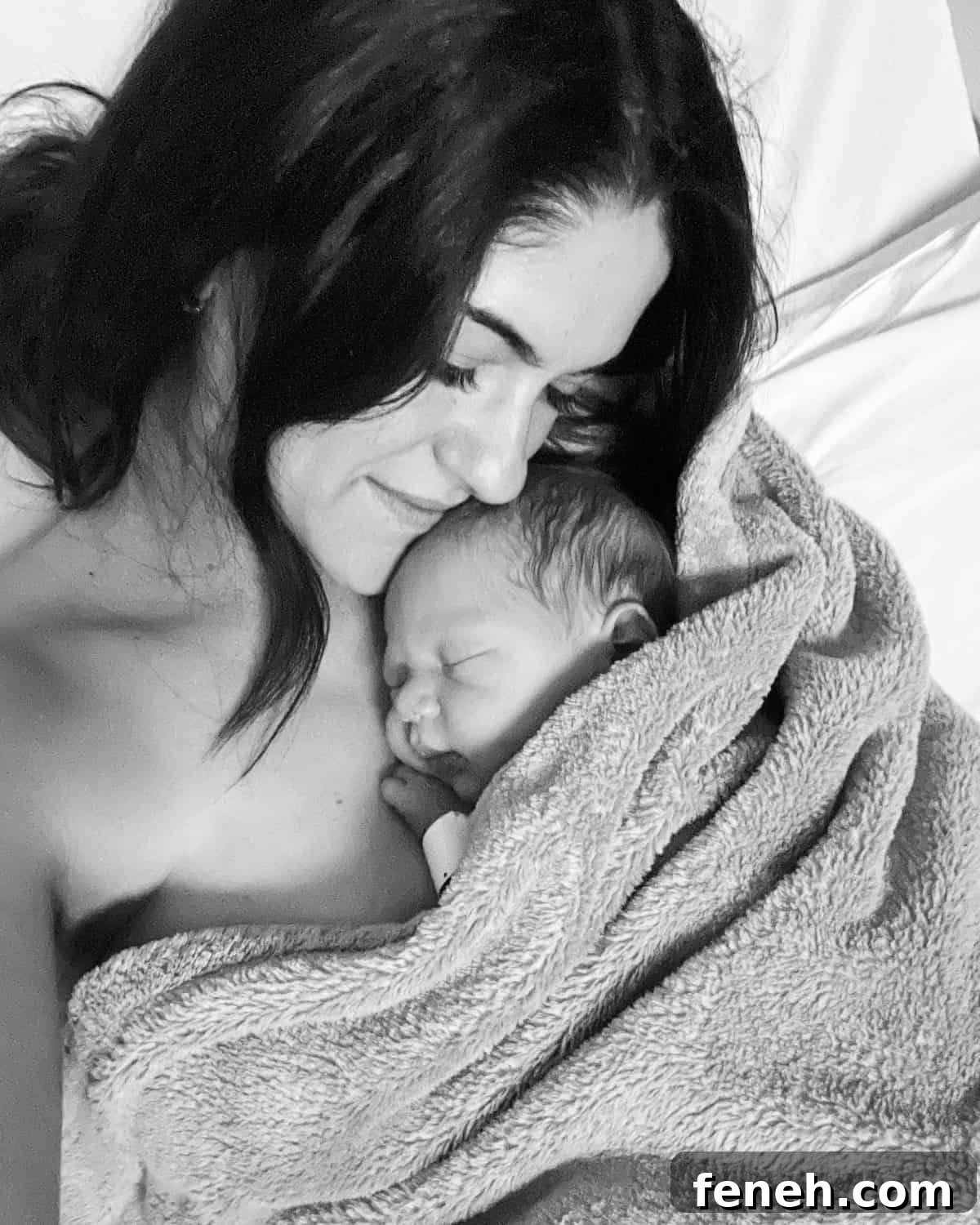
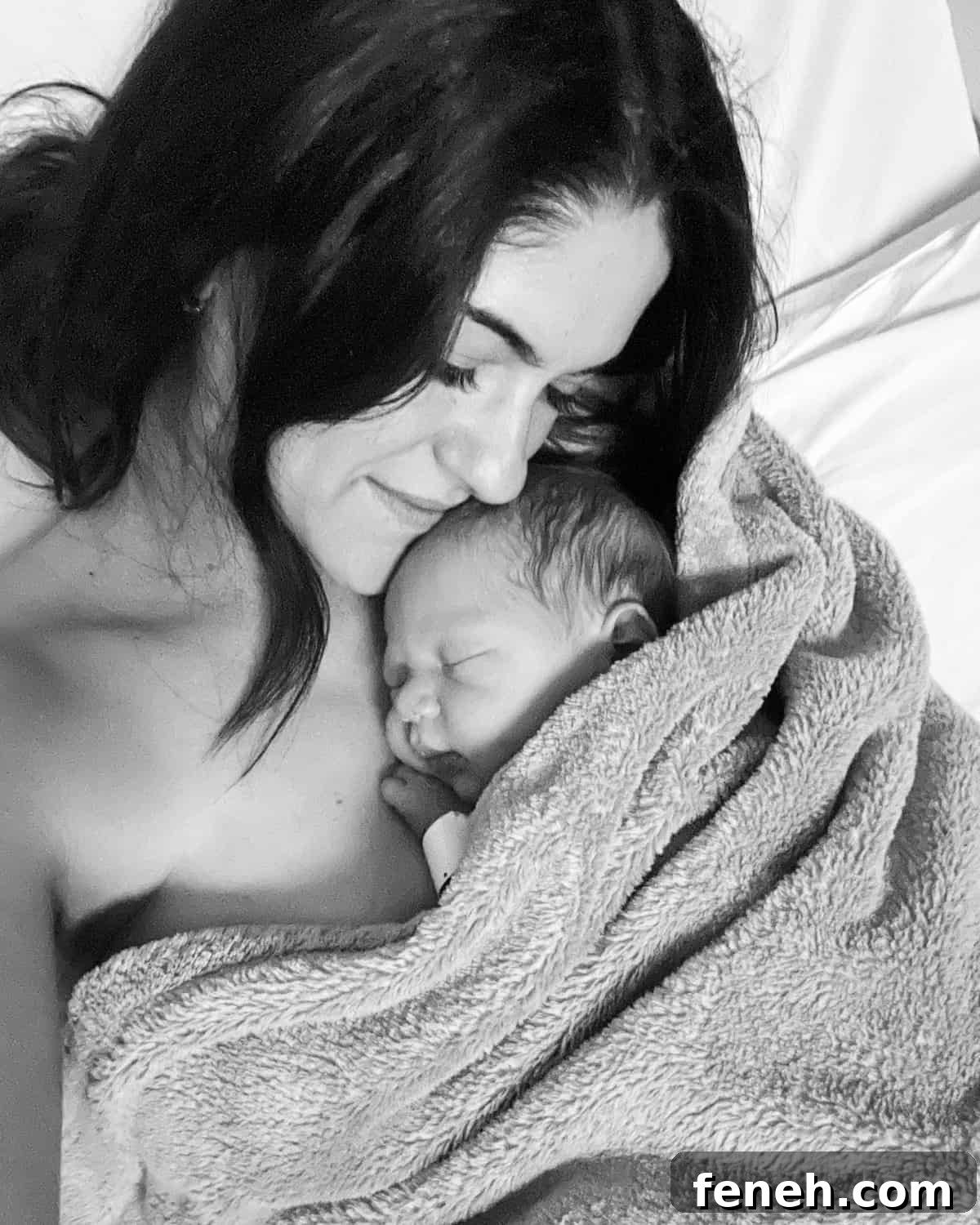
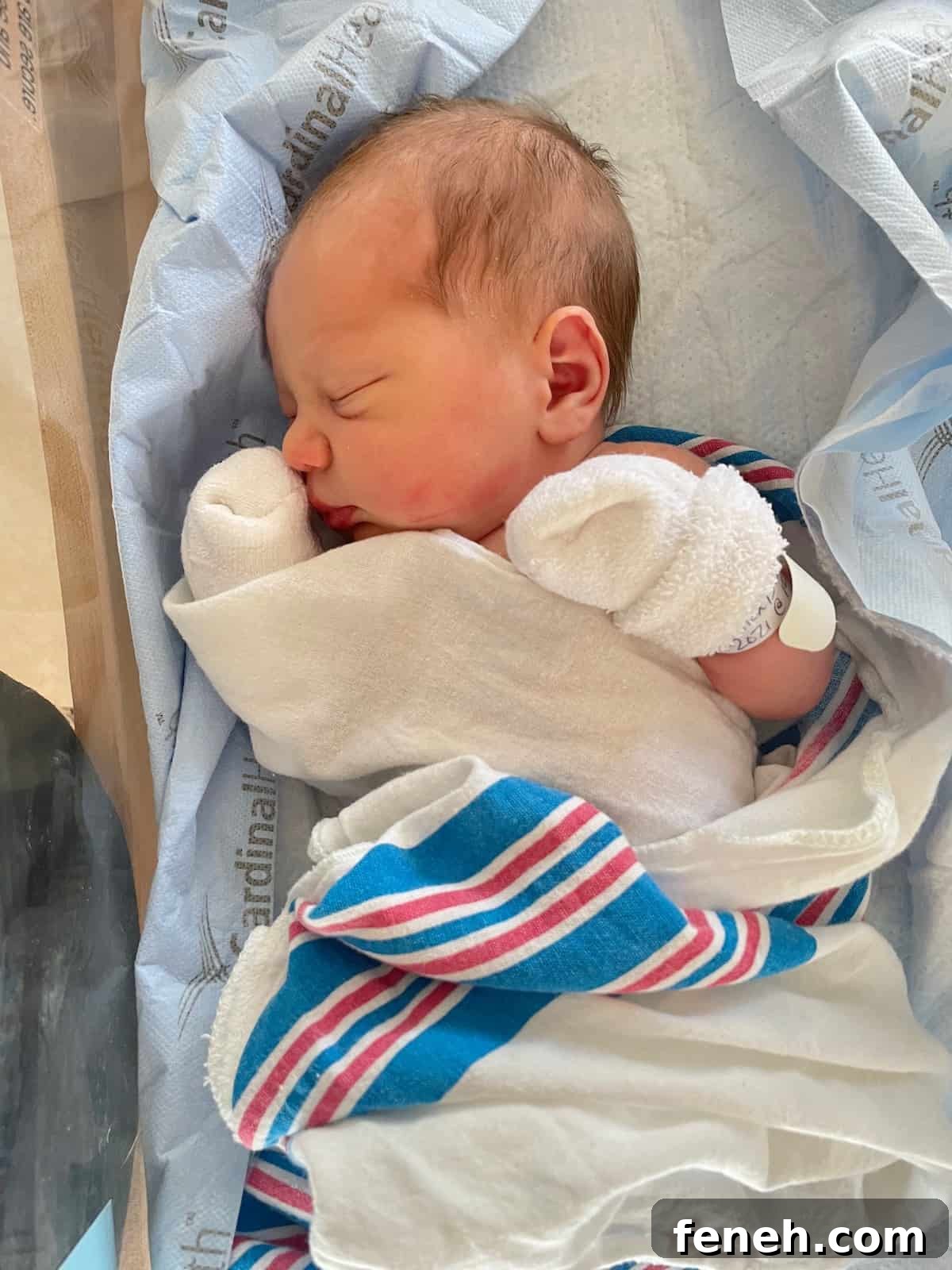
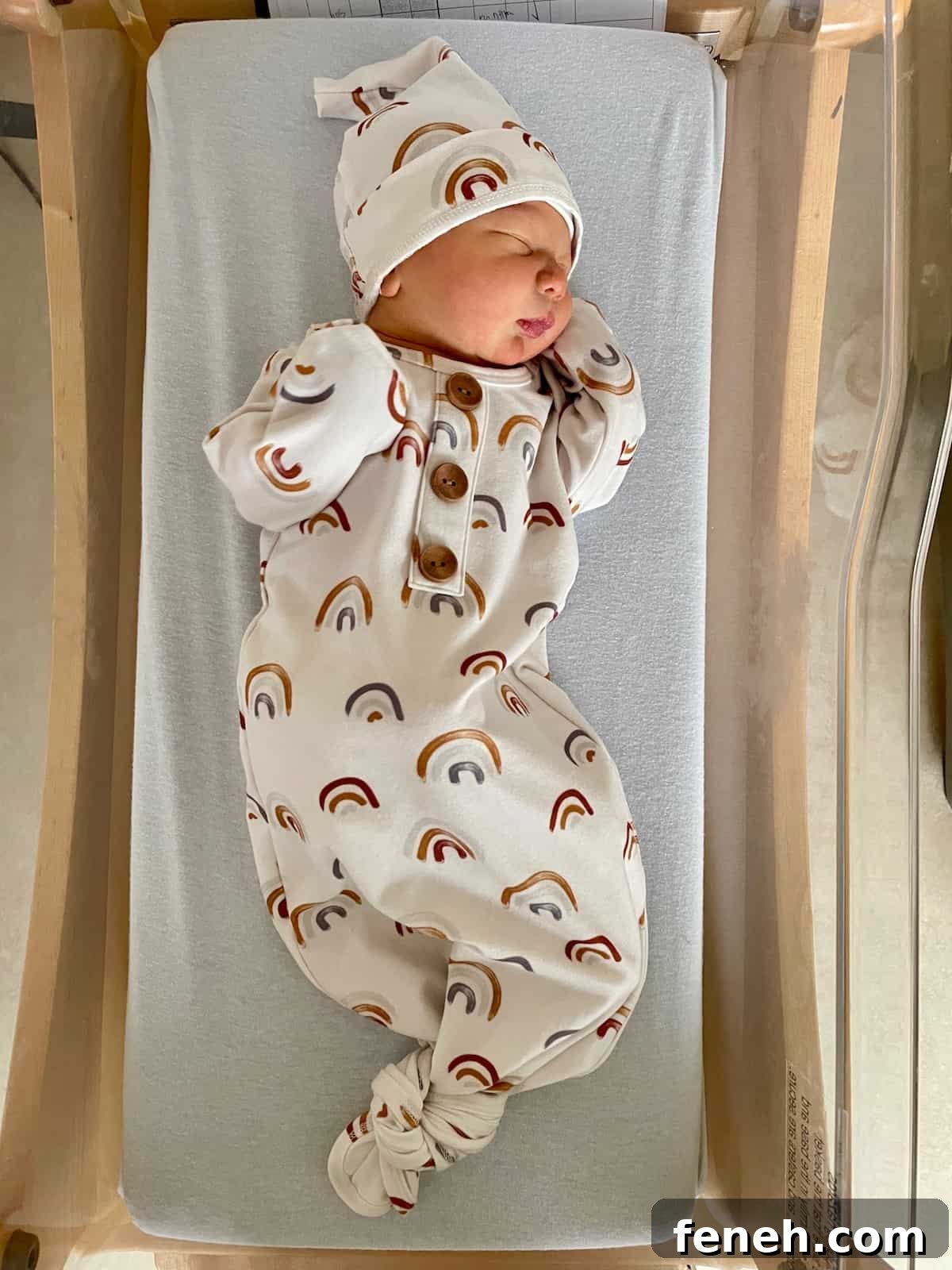
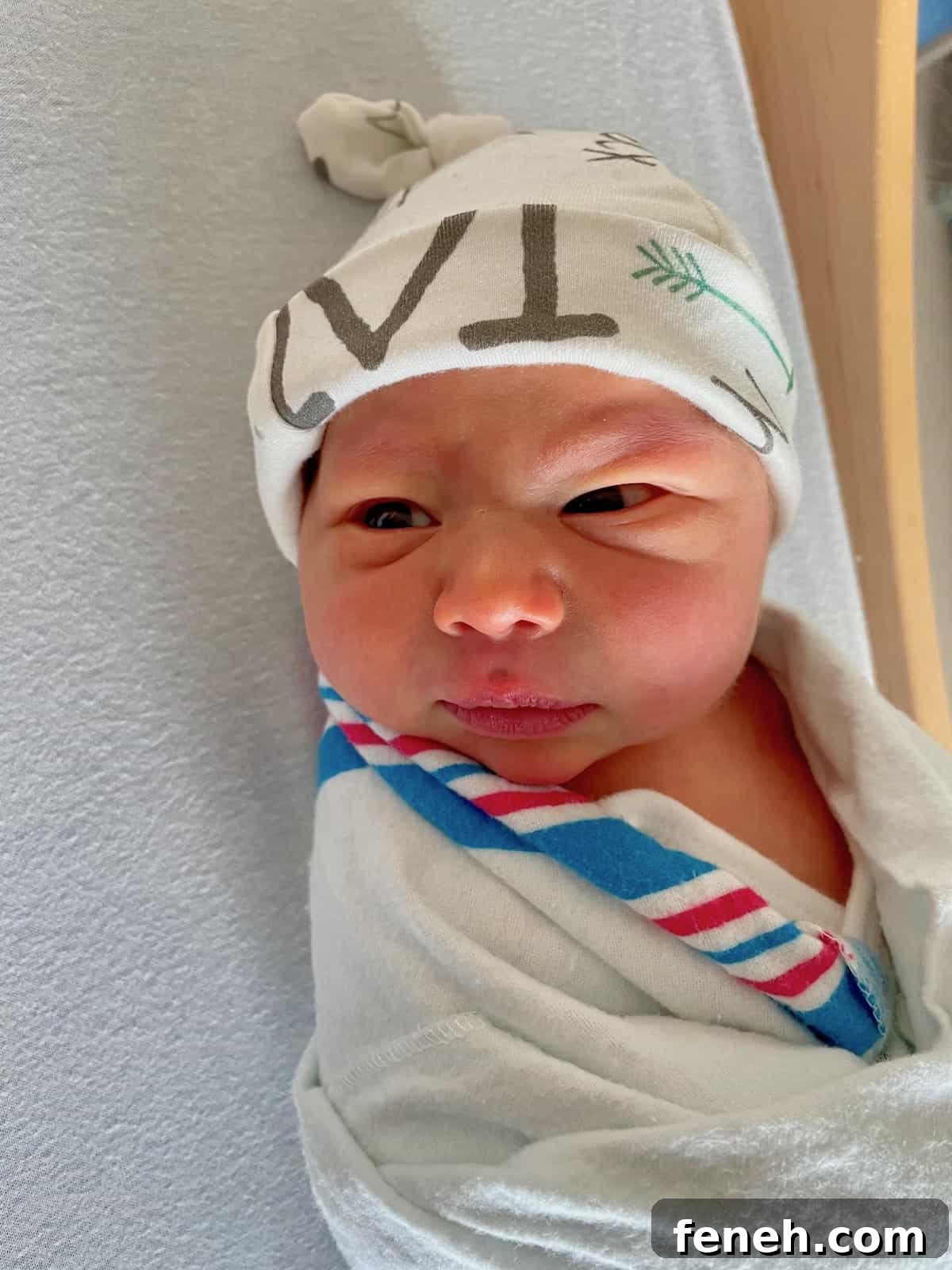
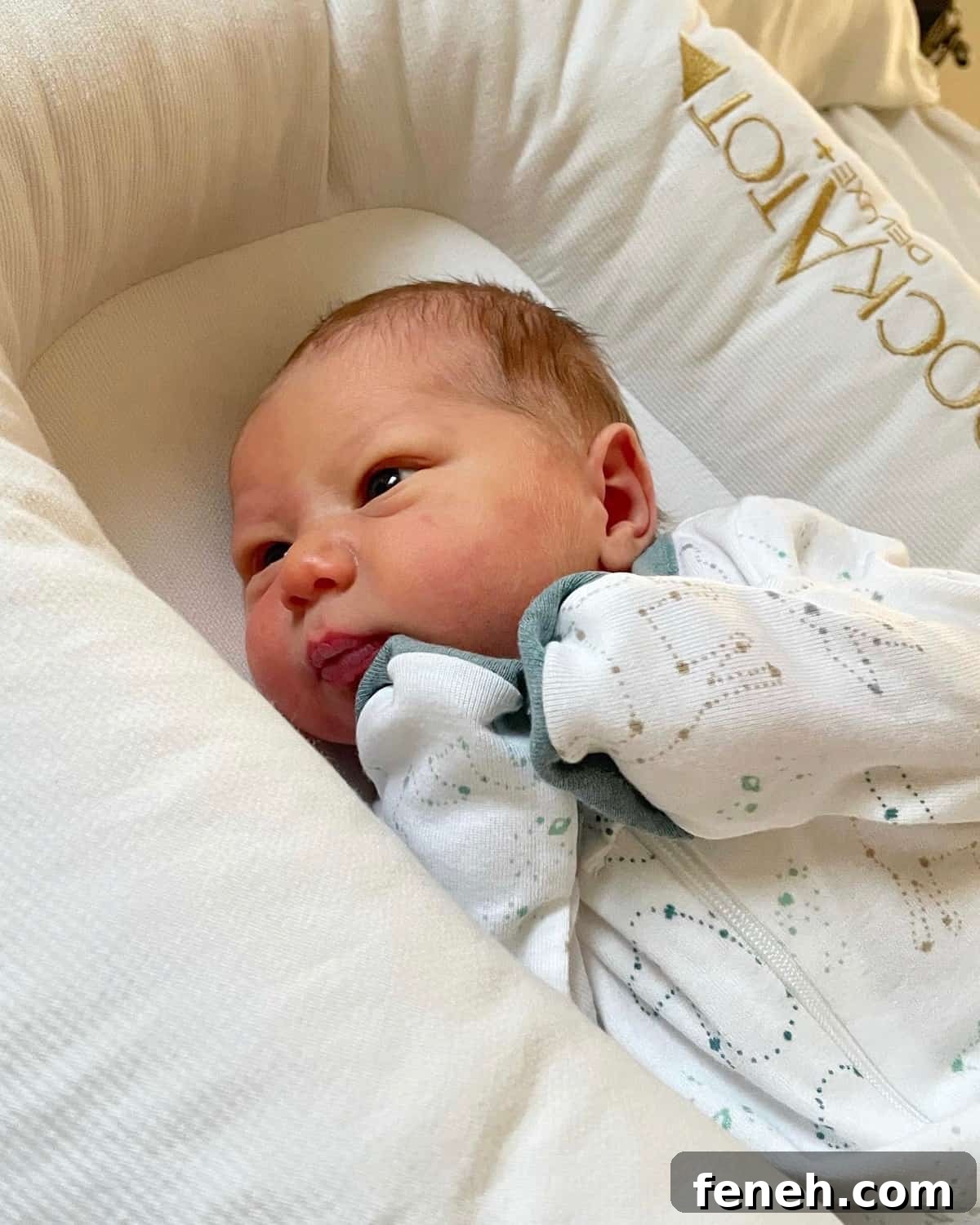
On January 20, 2021, I became a mother to the sweetest little boy. Max Asher arrived at 3:39 p.m., weighing six pounds, thirteen ounces—pure joy and perfection.
All through my pregnancy I had a strong feeling—maybe a hopeful hunch—that baby would come early. My sister delivered both her children 10–12 days early, and my mom had all of us early too, so I was expecting something similar.
The pregnancy itself was intense. Early on I was diagnosed with a rare condition called vasa previa, which led to a hospital admission at 32 weeks during the peak of the COVID pandemic. I prepared myself to stay in the hospital until a scheduled c-section at 36 weeks.
Then, a week before my planned delivery, the maternal-fetal medicine specialist ordered one more transvaginal scan and discovered that I did not, in fact, have vasa previa. Suddenly I was told I could proceed with a normal vaginal delivery and didn’t need to be induced early.
That news hit me in waves. I cried and felt overwhelmed—relief mixed with anger about the earlier misdiagnosis. I left the hospital upset but grateful that Max could arrive on his own schedule.
At 38 weeks and two days, I woke at 1 a.m. to use the bathroom and felt a sudden, huge rush of fluid—my water had broken. I woke Jeff, called my midwife, and was told to get ready to head to the hospital. Once your water breaks, you typically have about 24 hours to deliver to reduce infection risk, so there was no going home.
We made PB&J sandwiches, grabbed our bags, and left around 3 a.m. On the drive and in triage it felt like my water kept breaking in stages—something I hadn’t expected.
My first cervical check showed I wasn’t dilated at all. I only had very mild cramping, and the staff mentioned they might use misoprostol if contractions didn’t start naturally.
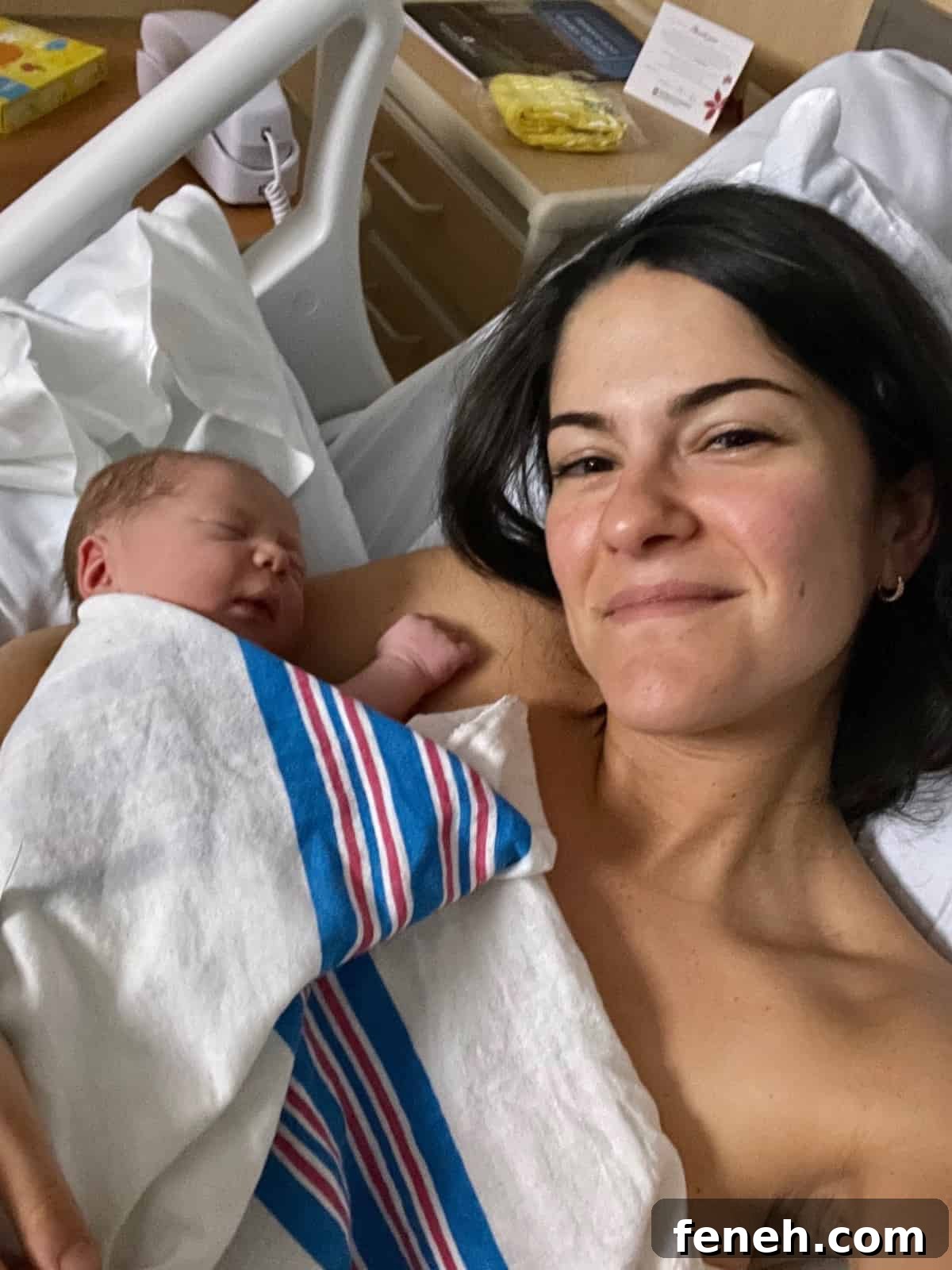
I ate my sandwich because I knew I wouldn’t be allowed to eat after active labor began. A few hours later, around 6:30 a.m., they moved us to a labor-and-delivery room. The room felt calm and welcoming—part hotel, part hospital. I was tested for COVID and still only had mild cramping.
The team told me they would start Pitocin to induce labor if needed. Pitocin, a synthetic oxytocin, stimulates contractions and can make them very strong.
I didn’t have an elaborate birth plan; I knew I wanted an epidural and routine monitoring. I never felt drawn to an unmedicated birth—my priority was a healthy baby, and I know my own low pain tolerance.
The nurse said I could get the epidural before or after Pitocin, and I wanted to feel at least one real contraction before deciding. In hindsight, I wouldn’t wait next time.
When the Pitocin was started, contractions ramped up quickly and became intense. I gripped Jeff’s hands and focused on breathing, but soon I was asking for the epidural.
The anesthesiologist arrived quickly and administered the epidural. The procedure itself wasn’t too painful compared with the contractions. At first I felt numb in my belly, but strangely the pain shifted downward to my lower back and pelvis. I felt like the contractions were moving to my butt, which was terrifying—I worried the epidural hadn’t worked properly.
The team adjusted the medication and the anesthesiologist rechecked the placement. Contractions kept getting stronger, and at one point I was three centimeters dilated. They added a different medication to see if it would provide better relief, and eventually the epidural finally settled in.
When the pain eased, it felt like pure bliss. Warm, fuzzy relief spread through my body and contractions changed from agonizing to manageable pressure. Within about an hour I went from three centimeters to eight centimeters—progress happened fast.
By early afternoon the midwife said she would return at 3 p.m. to check my cervix. We played calming music, Jeff rested, I updated family and friends, and enjoyed a cherry popsicle. I felt incredible compared to how I had felt only thirty minutes earlier.
At 3 p.m., I was fully dilated. The midwife felt the baby’s head and told me it was time to start pushing.
The room felt intimate and peaceful—just me, Jeff, the midwife, and a nurse. It wasn’t the chaotic scene I’d imagined; instead it was quiet and focused. I began pushing around 3 p.m., and at 3:39 p.m. our son was born.
When they placed Max on my chest, I was overwhelmed. After nine months of wondering what he would look like, seeing him for the first time was pure wonder. The midwife told me I had a second-degree tear and began repairing it while Max cuddled against me. Jeff and I stared in awe at our tiny, perfect gift.
Soon I was starving—eleven hours had passed since my last real meal—so Jeff fed me snacks we’d packed while I nuzzled our newborn. The afternoon turned into a blur of cuddles, kisses, and that hazy new-parent bliss.

Labor and childbirth showed me how incredibly strong women are. Even with a relatively calm labor experience, the physical and emotional journey is profound. Women truly are superheroes.
I feel so lucky to be Max’s mama. Becoming his mother has changed our world in the most wonderful way.