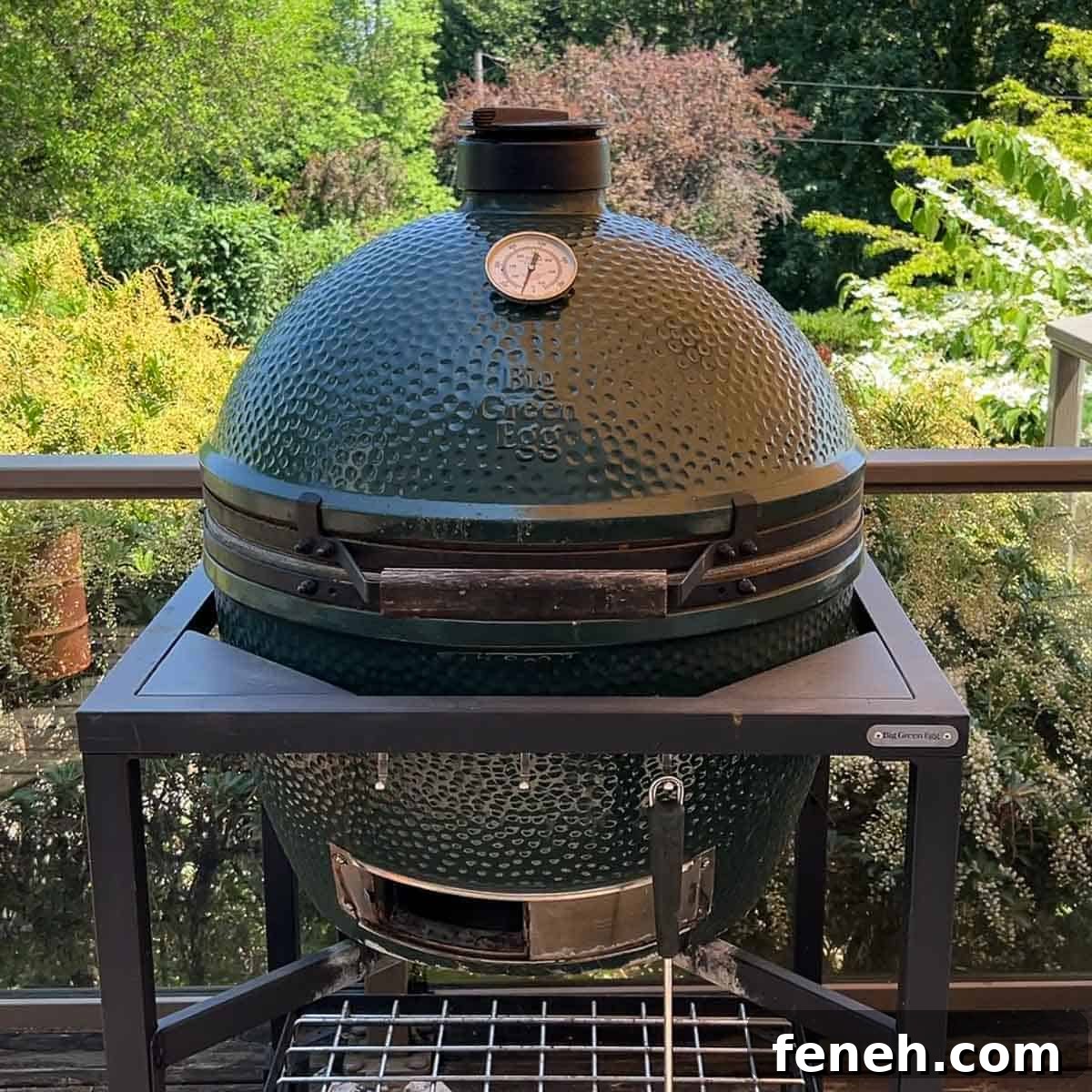
The Big Green Egg is a durable and versatile outdoor cooker, and the gasket plays a key role in its performance by providing an airtight, heat-resistant seal. With routine inspection and simple steps, you can replace a worn gasket in minutes without removing the lid.
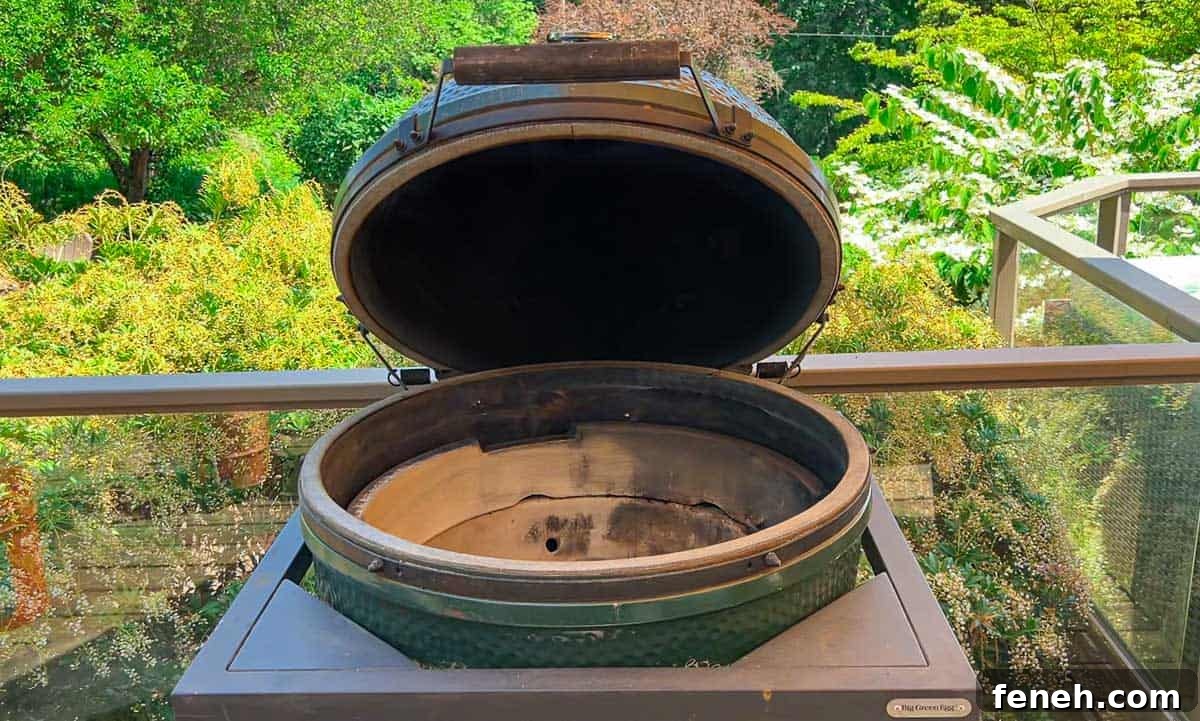
Gaskets will naturally wear over time from high heat and regular use. Replacing a damaged gasket restores proper temperature control and efficiency. The following guide explains how to change the gasket quickly, safely, and cleanly.
Table of Contents
- How the Gasket Works on a Kamado Grill
- Materials Needed
- The Process: Replacing Your Big Green Egg Gasket
- Maintaining Your Big Green Egg
- Video Tutorial
- Ways to Avoid Blowing Your Gasket
- Other Big Green Egg and Grill Resources
How the Gasket Works on a Kamado Grill
The gasket seals the lid to the base, preserving heat and allowing you to control airflow through the vent system. A tight seal reduces heat loss and temperature swings, which improves cooking consistency and fuel efficiency.
Exposure to frequent high temperatures, ash, and grease causes gaskets to fray, thin, or detach. If you notice smoke escaping around the dome, fluctuating temperatures, or difficulty holding a setpoint, inspect the gasket for damage.
With the right tools, you can replace the gasket in under 10 minutes and restore the Egg’s performance.
Materials Needed
- Replacement gasket kit sized for your Big Green Egg (OEM or compatible aftermarket)
- Scraper or putty knife
- Scissors
- Rubbing alcohol or acetone to remove adhesive residue
- Paper towels or clean cloths
The Process: Replacing Your Big Green Egg Gasket
Always work on a completely cool Big Green Egg. Follow these steps for a clean, effective gasket replacement without removing the lid.
Step 1: Assessing the Current Gasket
Inspect the gasket for fraying, thinning, gaps, or sections coming loose. If smoke escapes where the lid meets the base or you notice unstable temperatures despite proper vent settings, the gasket likely needs replacement.
Also check for lid alignment issues. An overbite or underbite—when the lid sits too far forward or back—can mimic gasket failure by allowing smoke to escape. Confirm the top and bottom are aligned and hinges are properly adjusted before replacing the gasket.
Step 2: Removing the Old Gasket
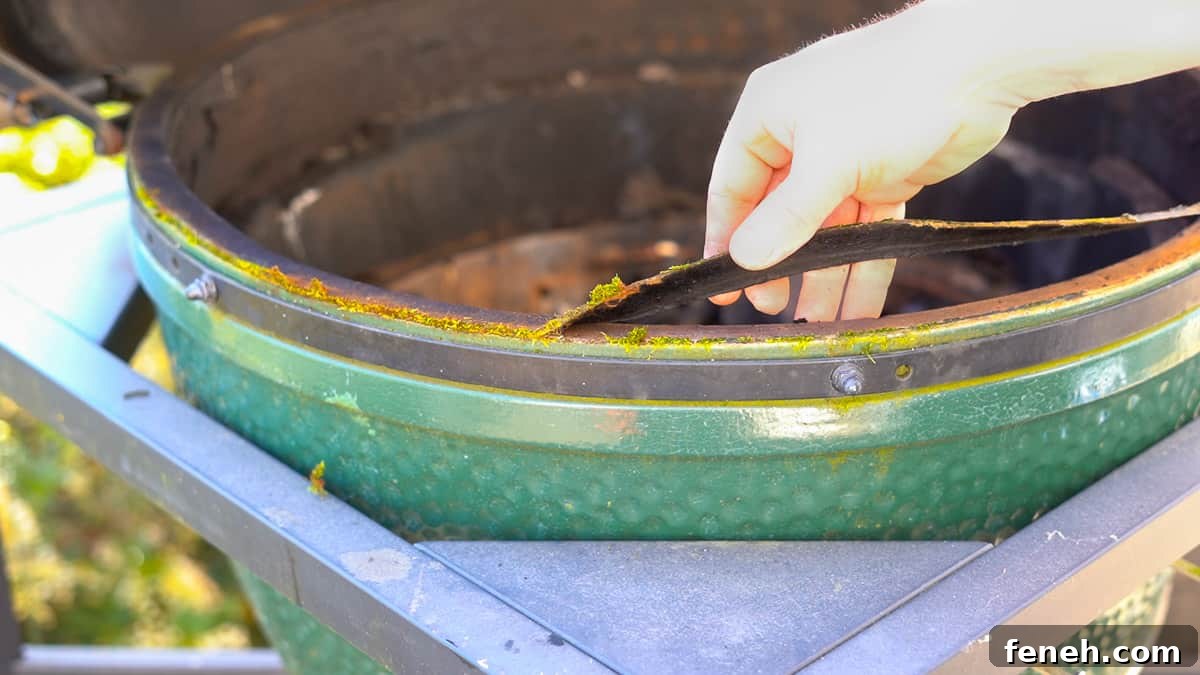
Use a plastic or metal scraper or putty knife to lift and remove the old gasket. Work gently to avoid scratching the ceramic. For stubborn adhesive, apply gentle heat with a hairdryer to soften the material, then scrape it away.
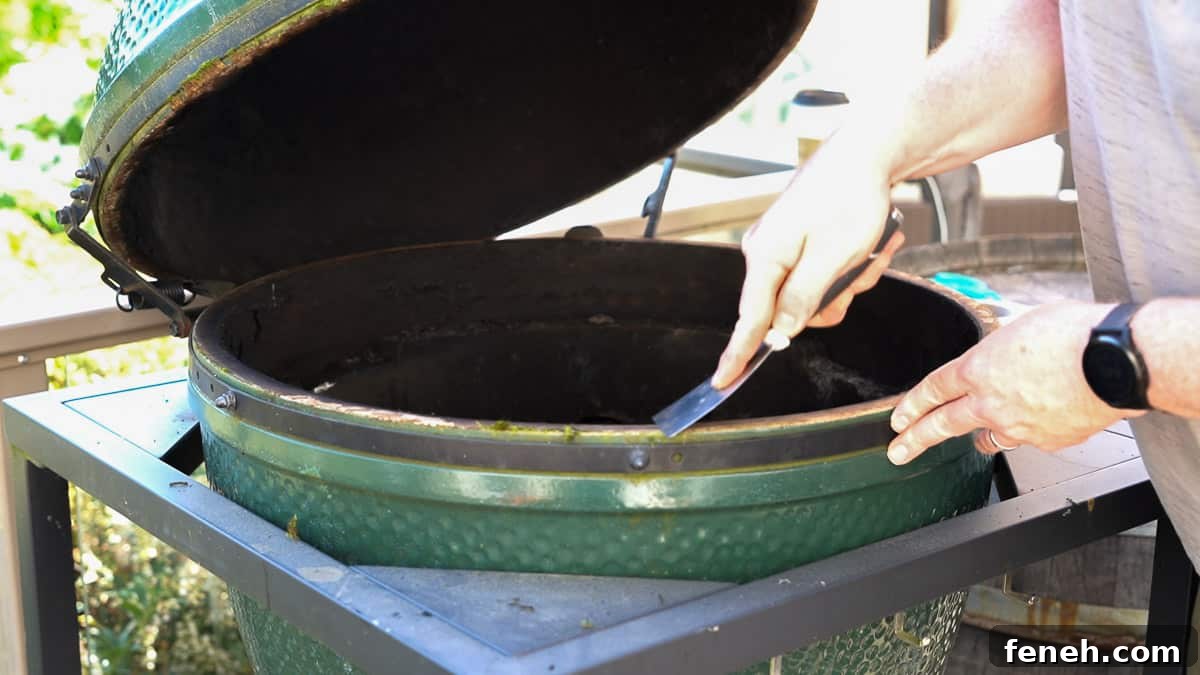
Step 3: Cleaning the Surface
Wipe the mating surfaces with a cloth or paper towel dampened with rubbing alcohol or acetone to remove any remaining adhesive or debris. Allow the surface to dry fully before installing the new gasket to ensure proper adhesion.
Step 4: Applying the New Gasket
Unroll the new gasket and press it in place around the base, matching the kit’s directions. Align the gasket carefully without stretching it; excess tension can cause future gaps. When you reach the starting point, leave a small overlap to prevent any gap in the seal.
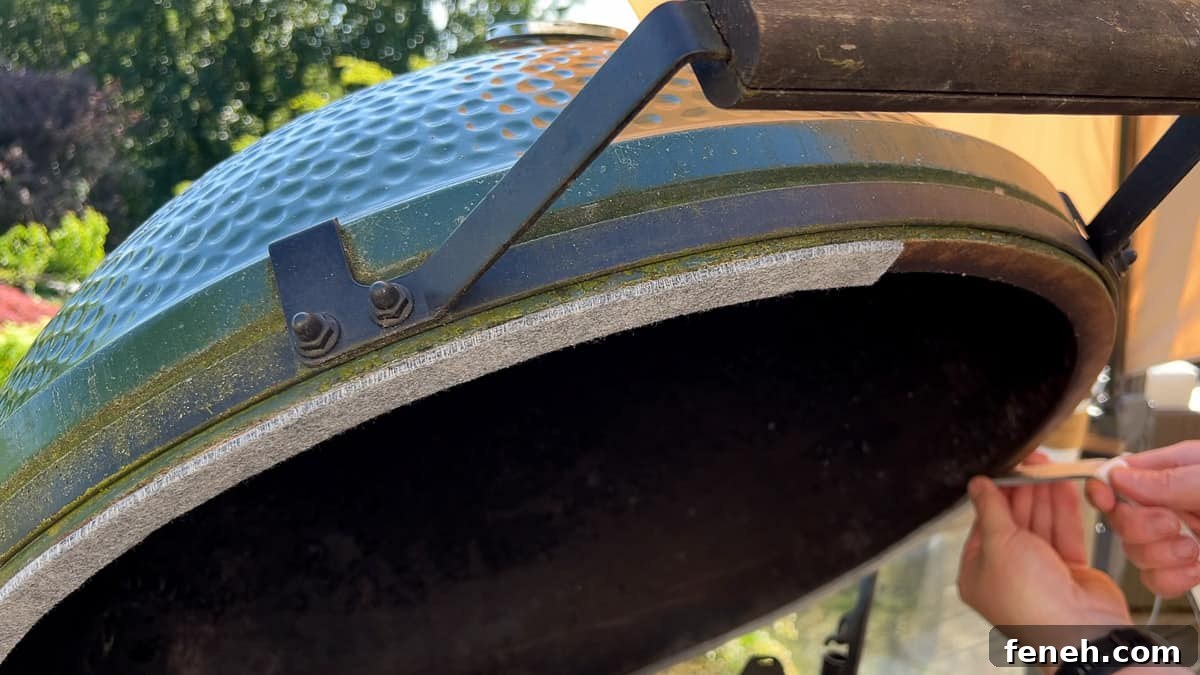
Repeat the process for the lid gasket if your kit includes it. Trim any excess with scissors, maintaining a snug, continuous ring with no breaks.
Step 5: Seating the Gasket
Close and latch the lid to set the gasket into the correct seating position. Keep the lid closed for about 24 hours so the gasket can bond and conform. After this period, open and check the seal—minor adjustments can be made if necessary.
Maintaining Your Big Green Egg
With a fresh gasket installed, your Big Green Egg will retain heat better and perform more consistently. Regular maintenance helps extend gasket life: clean spills and residue after each session, inspect the gasket periodically, and replace it as soon as signs of wear appear.
Consider taking the opportunity to clean the interior and grates while you have the cooker offline—routine care keeps both the gasket and the Egg working at their best.
Video Tutorial
Ways to Avoid Blowing Your Gasket
To help your gasket last longer, follow these practical tips.
Regular Maintenance
Wipe away grease and debris after cooking, and inspect the gasket regularly for wear. Prompt cleaning and inspection prevent buildup that accelerates deterioration.
Proper Cooking Temperatures
Avoid sustained temperatures above 650°F unless necessary; extreme heat over time can degrade gasket materials. Use recommended temperature ranges for the foods you cook.
Gradual Preheating and Cooling
Heat and cool the Egg gradually to minimize thermal shock. Sudden temperature changes stress components, including the gasket.
Avoid Overloading the Egg
Prevent spills by not overcrowding the grill. Excess grease and food can contact the gasket and accelerate wear.
Correct Lid Closure
Close the lid gently and ensure proper alignment. Slamming or misalignment puts uneven pressure on the gasket and shortens its life.
Following these simple practices will help you maintain a reliable seal and prolong the life of your gasket and cooker.
Other Big Green Egg and Grill Resources
Explore additional resources and how-to guides for care, cleaning, and getting the most from your Big Green Egg. Topics often covered include removing mold, grilling pizza, basic grilling techniques, and seasonal maintenance like winterizing your grill.
- How to remove mold from a kamado grill
- How to grill pizza on the Big Green Egg
- Basic grilling techniques for direct and indirect heat
- How to smoke on a gas grill
- How to thaw a frozen Big Green Egg
Regular upkeep and knowing where to find reliable instructions will keep your Egg performing well for years of great cooking.

Get a signed copy of our cookbook! Order a copy to receive recipes and tips from the authors.
Enjoyed this guide? Give it a rating and share your results! Tag your photos on social media to show how your Big Green Egg performs after a fresh gasket installation.