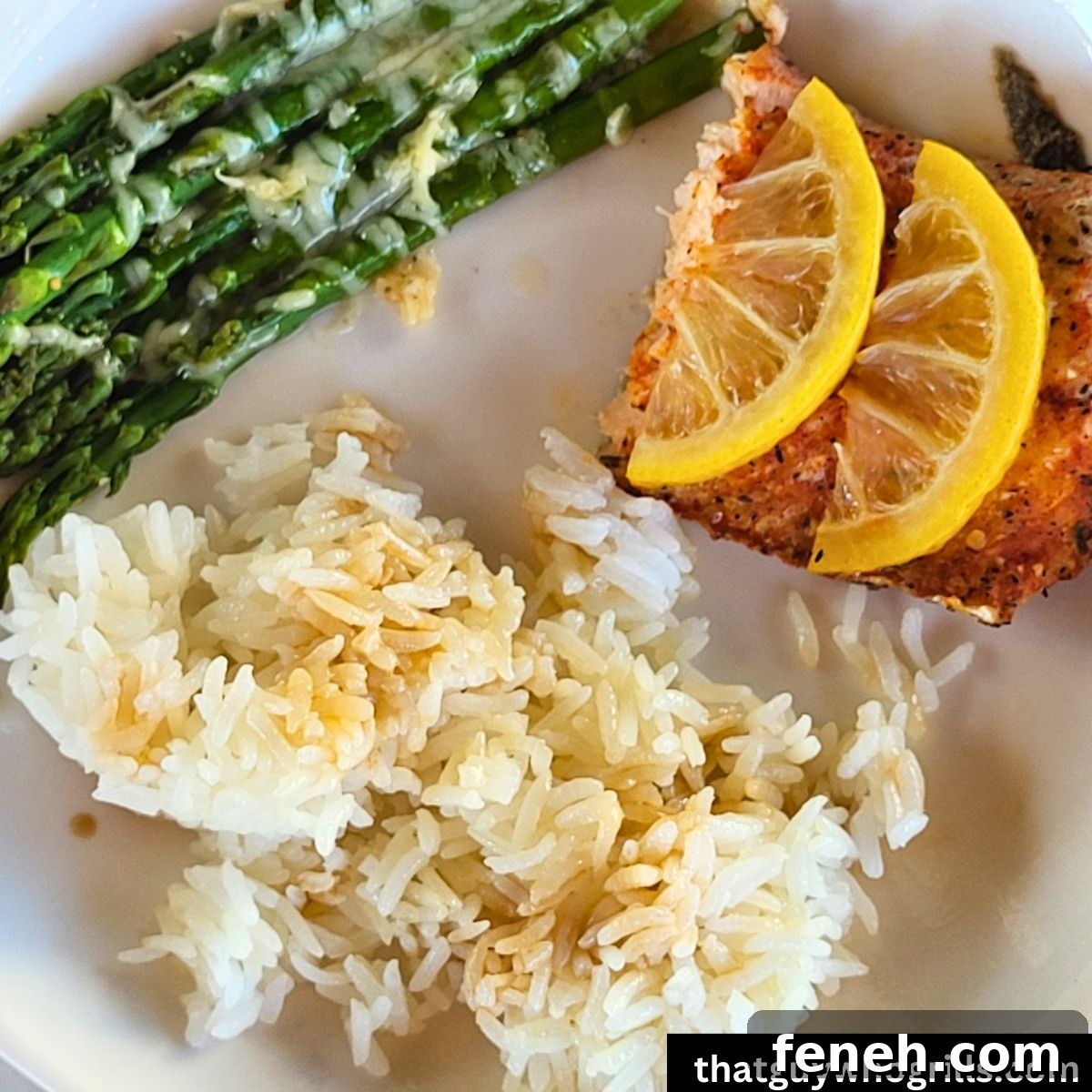
Foil packets on the grill are a simple, reliable way to cook salmon. Grilling a salmon fillet in foil creates an easy weeknight meal featuring lean protein and bright, fresh flavors.
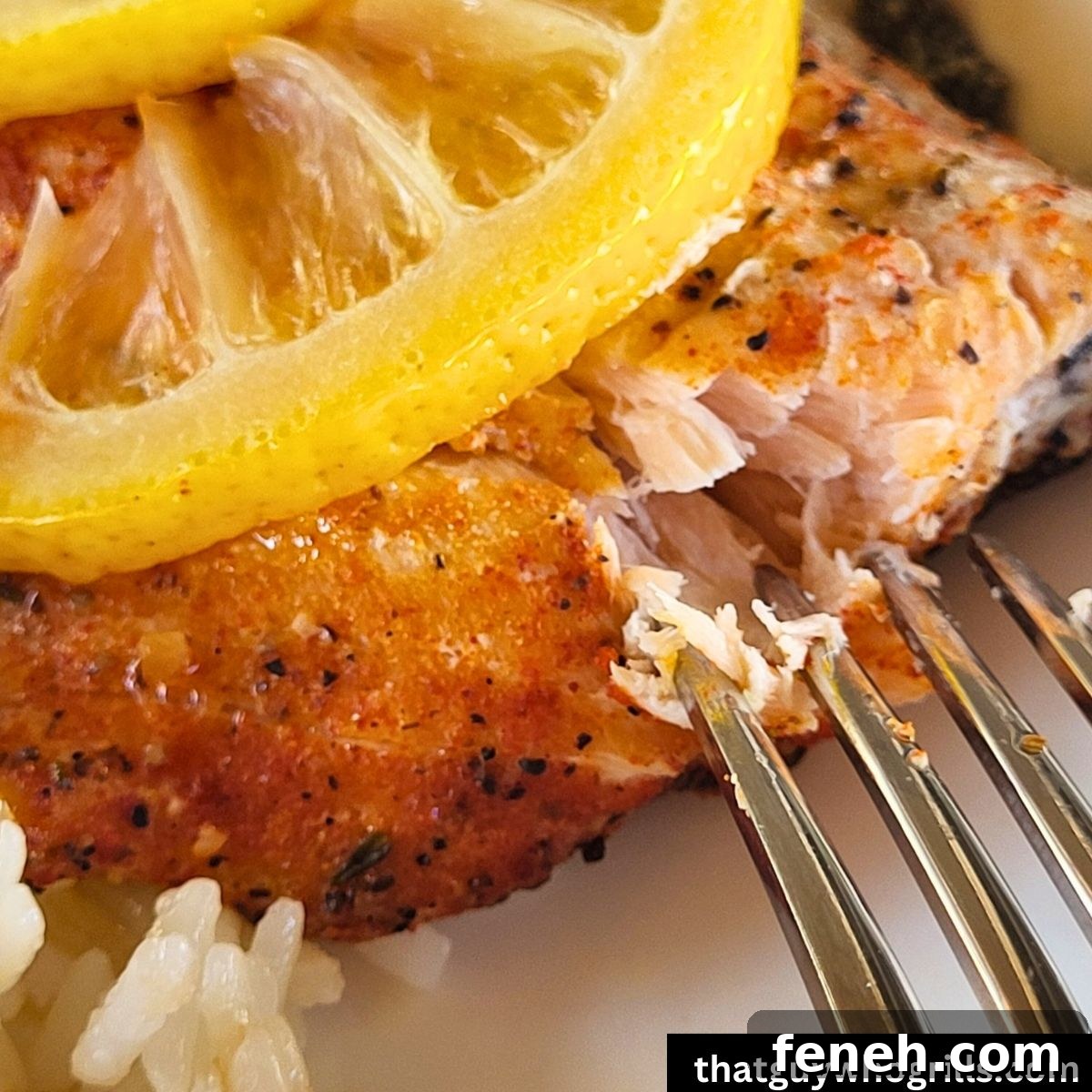
Living in the Pacific Northwest gives me plenty of chances to fish for salmon during the season, but when I don’t have fresh catches on hand I use frozen or store-bought fillets. Both work well for this foil-packet method.
Foil Packet Grilled Salmon Ingredients
- Salmon fillet – fresh, thawed, or previously frozen fillets all work.
- Salmon rub – use a store-bought rub or a simple homemade blend. A rub with a touch of smoke complements grilled salmon nicely.
- Olive oil
- Fresh lemons – sliced or cut into wedges.
Save This Recipe!
Want this recipe delivered to your inbox? Enter your email and click Save to receive it.
How To BBQ Salmon In Foil Packets
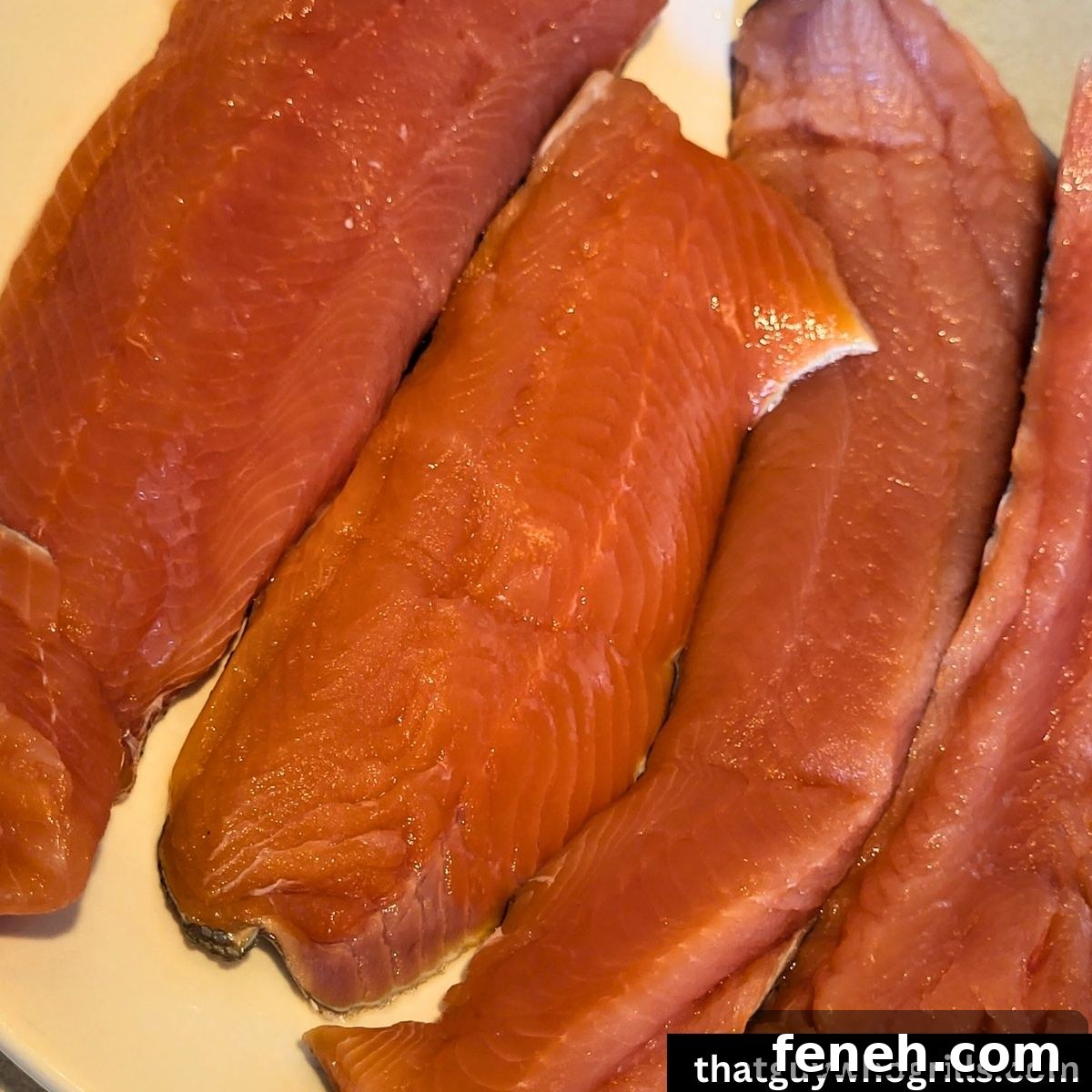
Start by thawing your salmon if frozen, or rinse and pat dry fresh fillets. Trim any bones if needed.
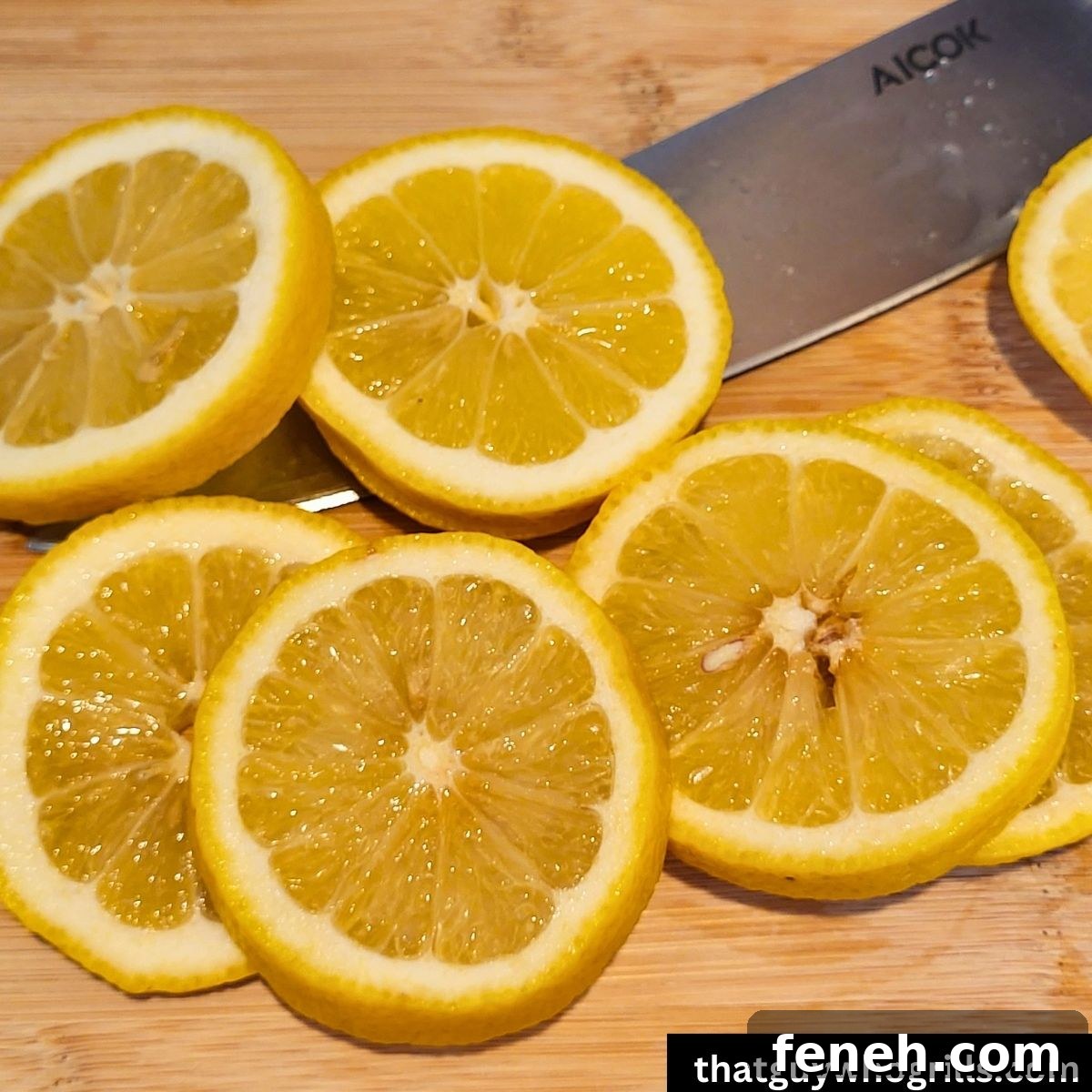
Slice your lemons into wedges or rounds depending on your preference.
Lay out a sheet of heavy-duty foil and lightly coat it with nonstick spray or a thin brush of oil.
Brush olive oil on both the skin side and the flesh side of the salmon. This helps prevent sticking and helps seasonings adhere.
Place the fillet skin-side down on the prepared foil.
Season to taste with your chosen rub or seasoning. A little goes a long way; adjust depending on the flavor intensity you prefer.
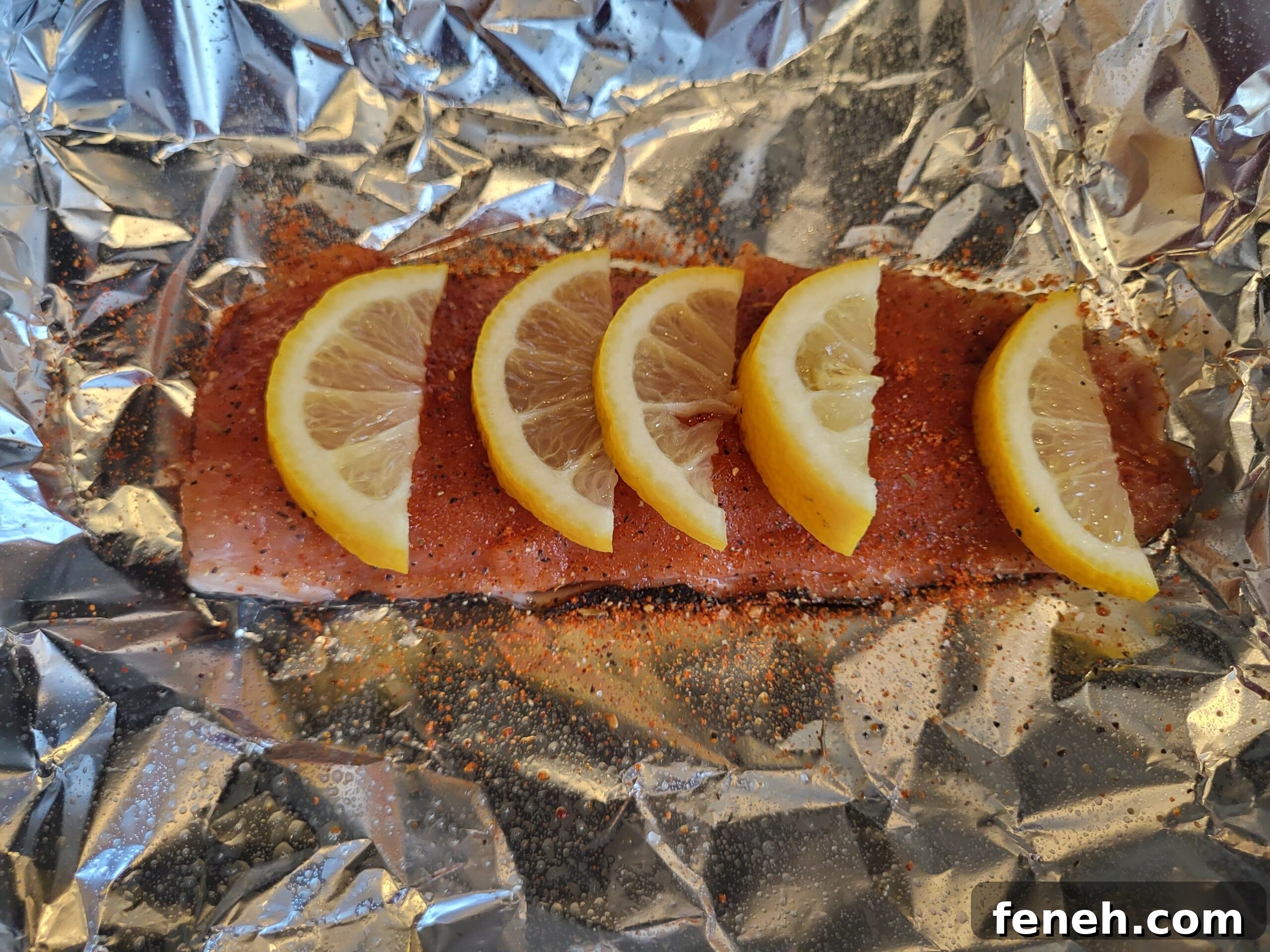
Arrange lemon slices or wedges on top of the fillet, then fold and seal the foil into a packet.
Preheat your grill to medium-low heat. If you’re using a gas grill, set burners to maintain an even, gentle heat so the salmon cooks through without drying out.
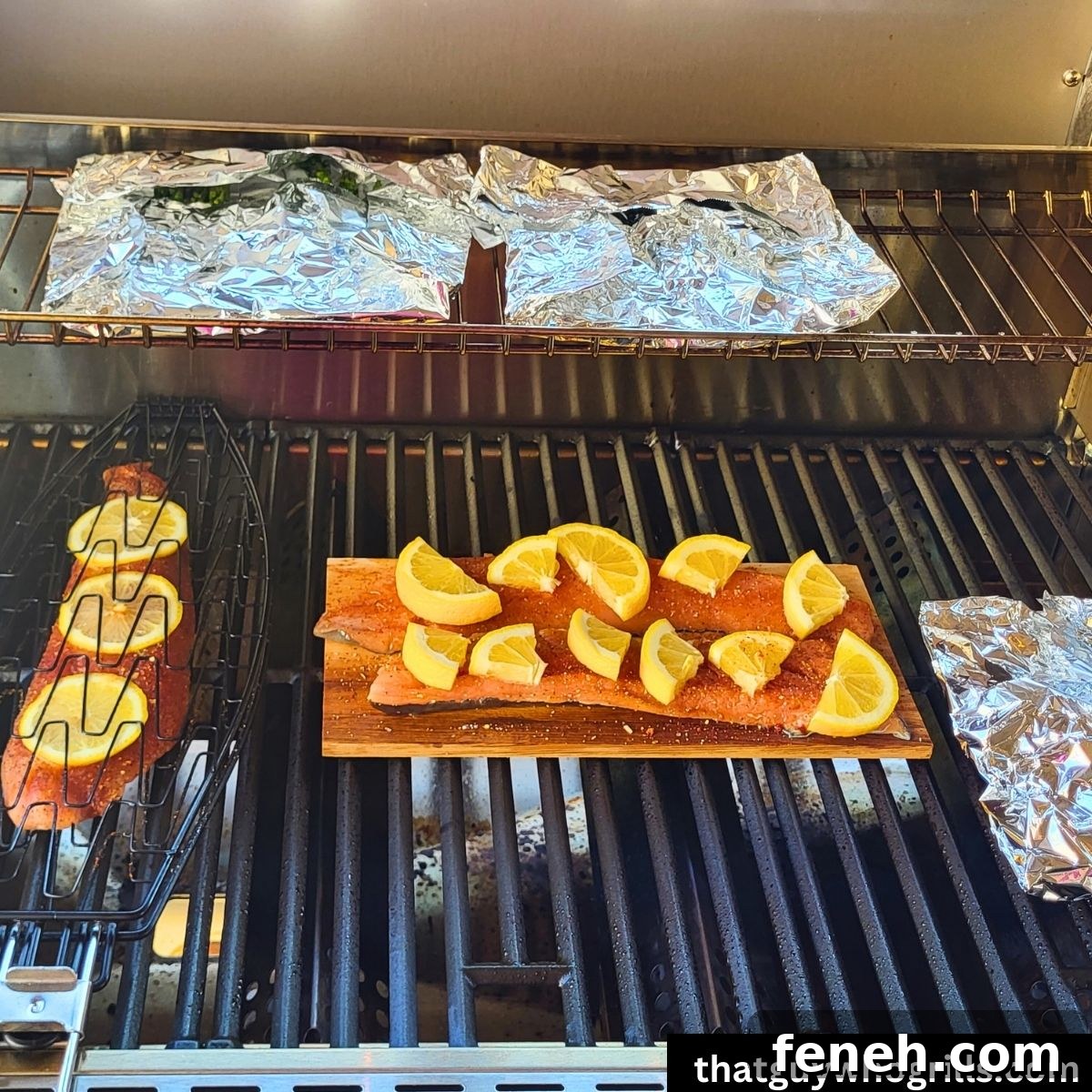
Place the foil packet on the grill—either on the lower grate or an upper rack. Cooking time will vary with grill temperature and fillet thickness, so keep an eye on it.
Cook until the internal temperature of the thickest part reaches 145°F (63°C), then remove from the grill and let rest briefly before opening the packet and serving.
Serve immediately with additional lemon wedges and your favorite sides.
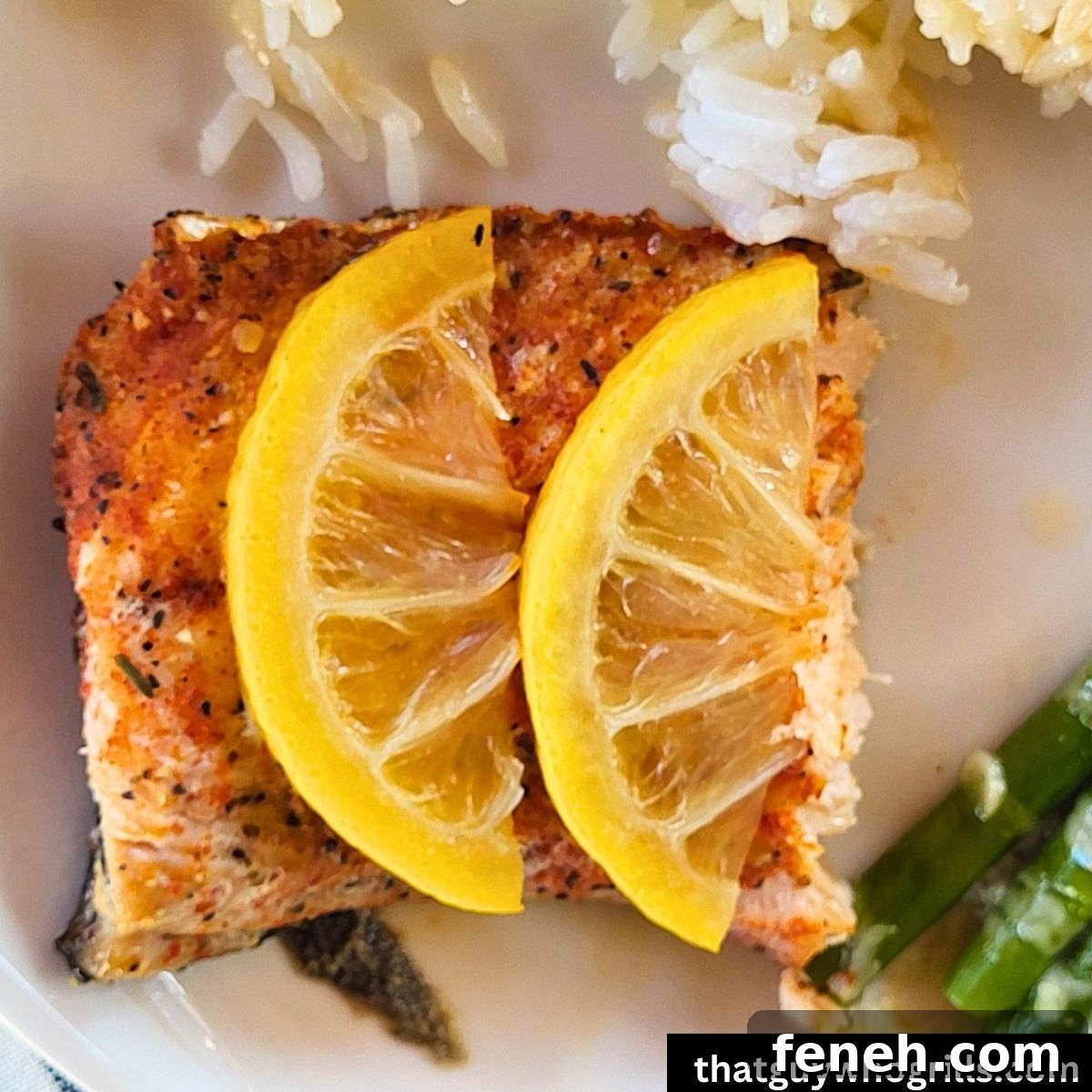
How to Store Leftover Salmon
Store leftover cooked salmon in an airtight container or sealed bag in the refrigerator for up to three days. For longer storage, freeze portions in airtight freezer bags or vacuum-sealed packages for up to three months. Label portions and dates for best results.
If possible, divide leftovers into meal-sized portions before refrigerating or freezing to make reheating easier and to maintain quality.
What To Serve With Grilled Salmon
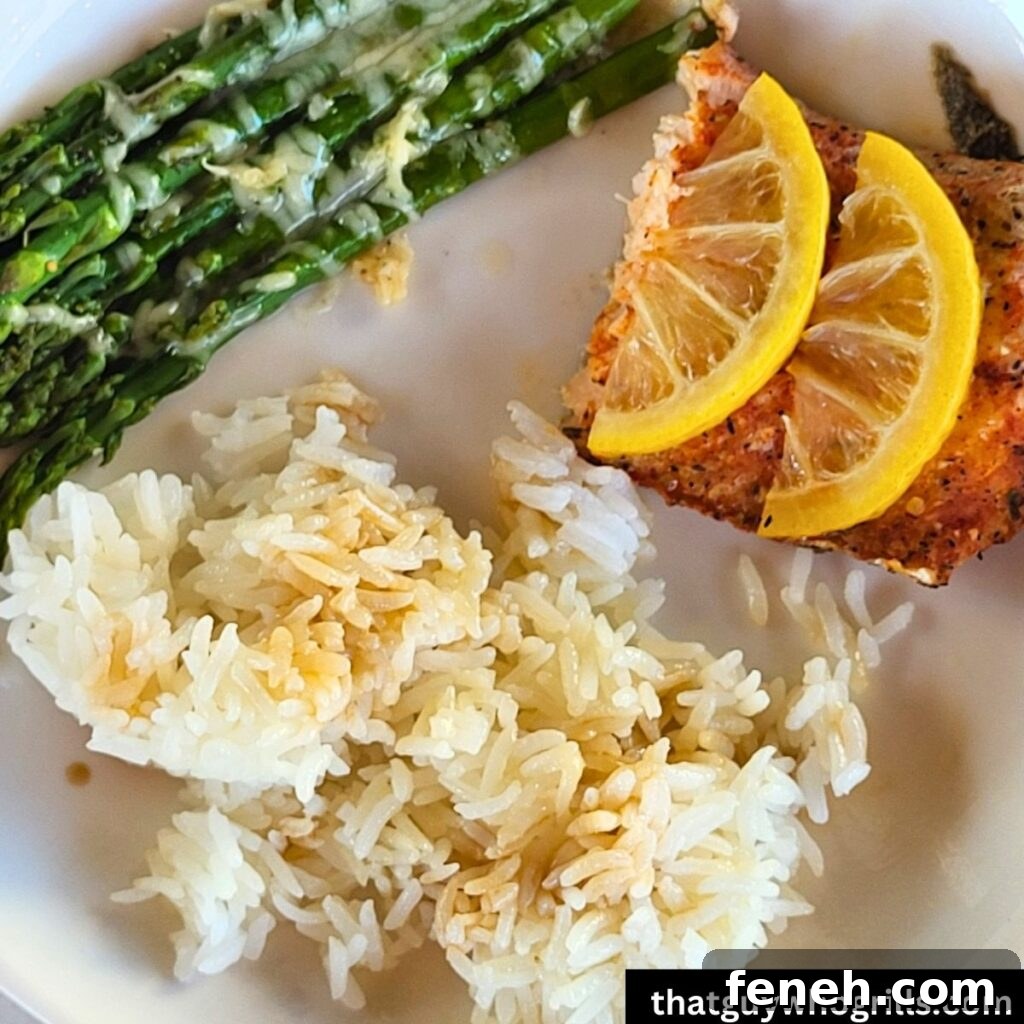
Great pairings: grilled or roasted vegetables (asparagus, corn on the cob), simple white rice or quinoa, garlic mashed potatoes, and crisp salads or slaws. A side of cheesy grilled asparagus or a light green salad balances the richness of the fish.
Salmon Recipes
Leftover grilled salmon is versatile—use it in salads, dips, or sandwiches. Try smoked cedar-plank salmon, a brown sugar rub, or a creamy salmon salad for easy next-day meals.
- Smoked Cedar Plank Salmon
- Brown Sugar Salmon Rub
- Salmon Salad
- Smoked Salmon Dip
- Dill Smoked Salmon
- Grilled Salmon on a Cedar Plank
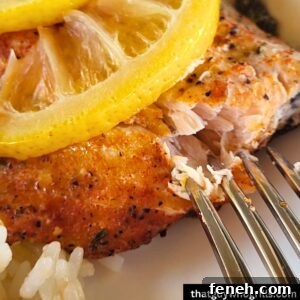
Grilled Salmon Foil Packet
Equipment
- Tin foil
- Tongs
- Gas grill or other grill
Ingredients
- 4 ounces salmon
- Salmon rub (to taste)
- Lemon slices
- 1 tablespoon olive oil
Instructions
- Defrost or prepare the salmon fillet.
- Slice lemons into wedges or rounds.
- Lay out foil and lightly grease the surface.
- Brush olive oil on both sides of the fillet.
- Place the fillet skin-side down on the foil.
- Season with your preferred salmon rub.
- Top with lemon slices and seal the foil packet.
- Heat the grill to medium-low and place the packet on the grate.
- Cook until the internal temperature reaches 145°F (63°C).
- Remove from the grill, open the packet carefully, and serve.
Nutrition
Protein: 23 g
Fat: 21 g
Saturated Fat: 3 g
Polyunsaturated Fat: 4 g
Monounsaturated Fat: 13 g
Cholesterol: 62 mg
Sodium: 50 mg
Potassium: 556 mg
Vitamin A: 45 IU
Calcium: 14 mg
Iron: 1 mg