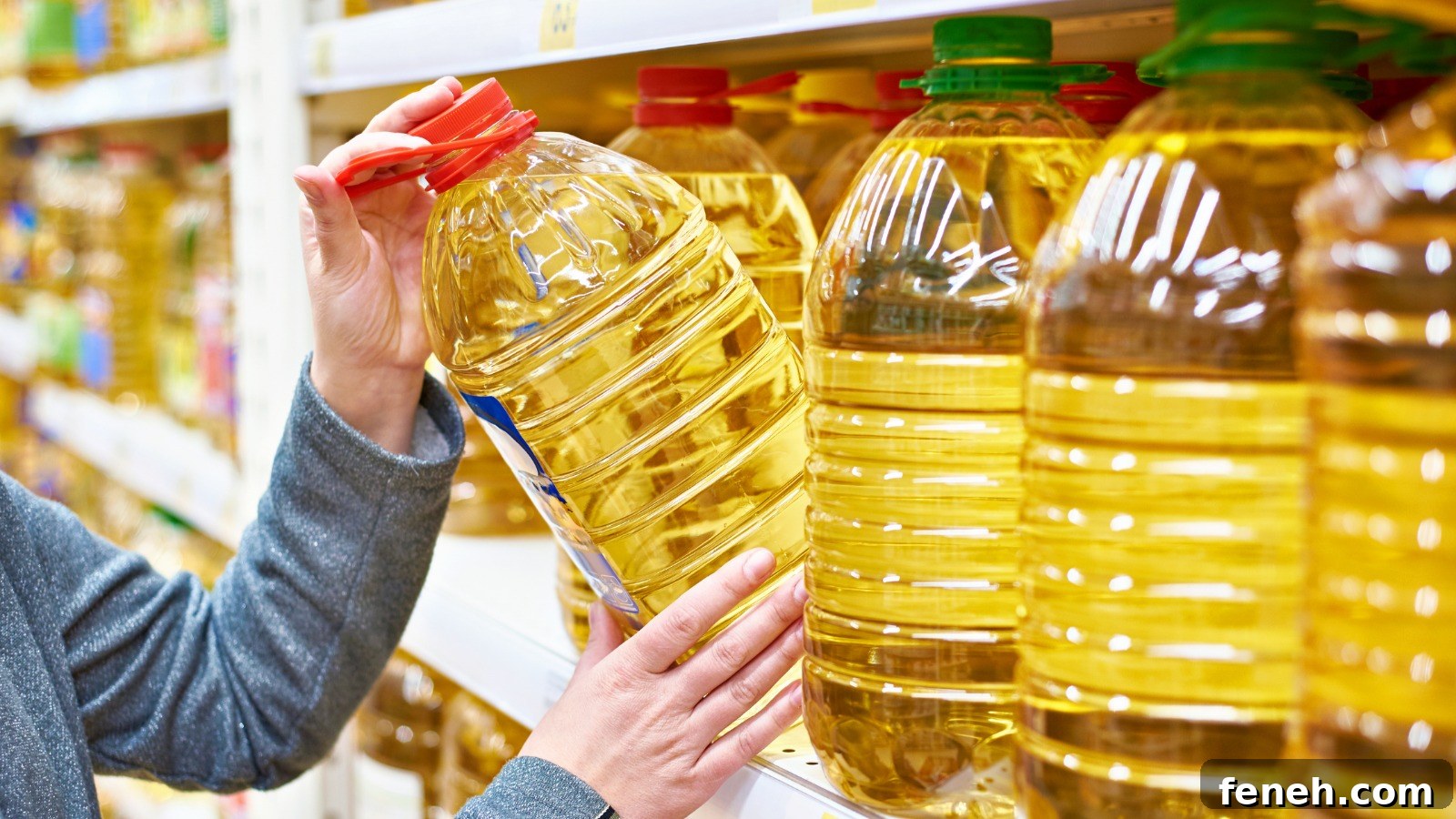
Vegetable oil isn’t as healthy as you think.
For decades we’ve been told that vegetable oils—refined seed oils—are healthier than traditional animal fats like butter, ghee, and lard. Public health messages and industry marketing promoted these oils as “heart-healthy,” and many people still use them based on that messaging. Examples commonly labeled as vegetable oils include soy, canola, corn, sunflower, safflower, and cottonseed oil. The term “vegetable” suggests wholesomeness, but these refined seed oils are not equivalent to whole vegetables in nutrient value.
Unlike whole plant foods, most commercial vegetable oils are heavily processed. They undergo refining steps—often including high heat, chemical solvents, deodorization, and bleaching—that strip away nutrients and can cause oxidation of the fatty acids. Because of that processing and their fatty acid profile, these oils behave differently in the body than less processed or more stable fats.
Fat is essential. The human body contains substantial amounts of fat—on average 15 to 30 percent of body weight—and fat is a major structural component of the brain (more than 60% fat), cell membranes, and hormone synthesis. So including healthy fats in the diet is important. But the type and quality of fat matter.
The main concern with many vegetable oils is their high content of omega-6 polyunsaturated fatty acids (PUFAs). Omega-3 and omega-6 fatty acids are both essential, meaning the body cannot make them and they must come from food. The balance between them matters: omega-3s tend to be anti-inflammatory, while omega-6s can promote inflammation when consumed in excess relative to omega-3. Ideally the dietary ratio is much closer to 1:1, but typical Western diets are skewed heavily toward omega-6—ratios reported in some studies range from 1:20 up to 1:100—largely due to widespread use of refined seed oils in packaged foods and restaurants.
Omega-6 PUFAs are chemically more fragile than saturated fats or monounsaturated fats; they oxidize more easily when exposed to heat, light, or oxygen. By the time a bottle of processed vegetable oil reaches a consumer, some degree of oxidation or rancidity may already have occurred. Consuming oxidized fats contributes to oxidative stress and inflammation in the body, which are implicated in many chronic conditions.
An imbalanced intake of omega-6 without sufficient omega-3 is linked in research to increased risk for inflammatory-driven conditions, including cognitive decline, certain cancers, mood disorders, gut imbalances, insulin resistance and type 2 diabetes, obesity, arthritis, and cardiovascular disease. While causation is complex and multifactorial, reducing excessive dietary omega-6 from industrial seed oils is a reasonable step for many people aiming to lower inflammation and improve metabolic health.
What should you use instead? Favor whole-food fats and more stable cooking fats: fatty fish (for omega-3s), traditional animal fats such as butter and tallow, clarified butter (ghee), extra-virgin olive oil for low- to medium-heat use, avocado oil for higher heat, and coconut oil where appropriate. These options are less prone to oxidation and provide a healthier balance of fatty acids when used as part of an overall varied diet.
In practical terms, avoid large transparent plastic bottles of mass-market cooking oils marked as “vegetable oil” or labeled as blends of seed oils. Choose single-ingredient, minimally processed oils when possible and store them away from light and heat. When dining out, be aware that many restaurants cook with seed oils; if you have health concerns, ask about cooking fats or prepare more meals at home using preferred oils.
This summary is intended to be clear and action-oriented: prioritize whole-food fats and more stable oils, limit intake of refined seed oils that are high in omega-6 PUFAs, and aim for a better omega-3 to omega-6 balance in your diet.
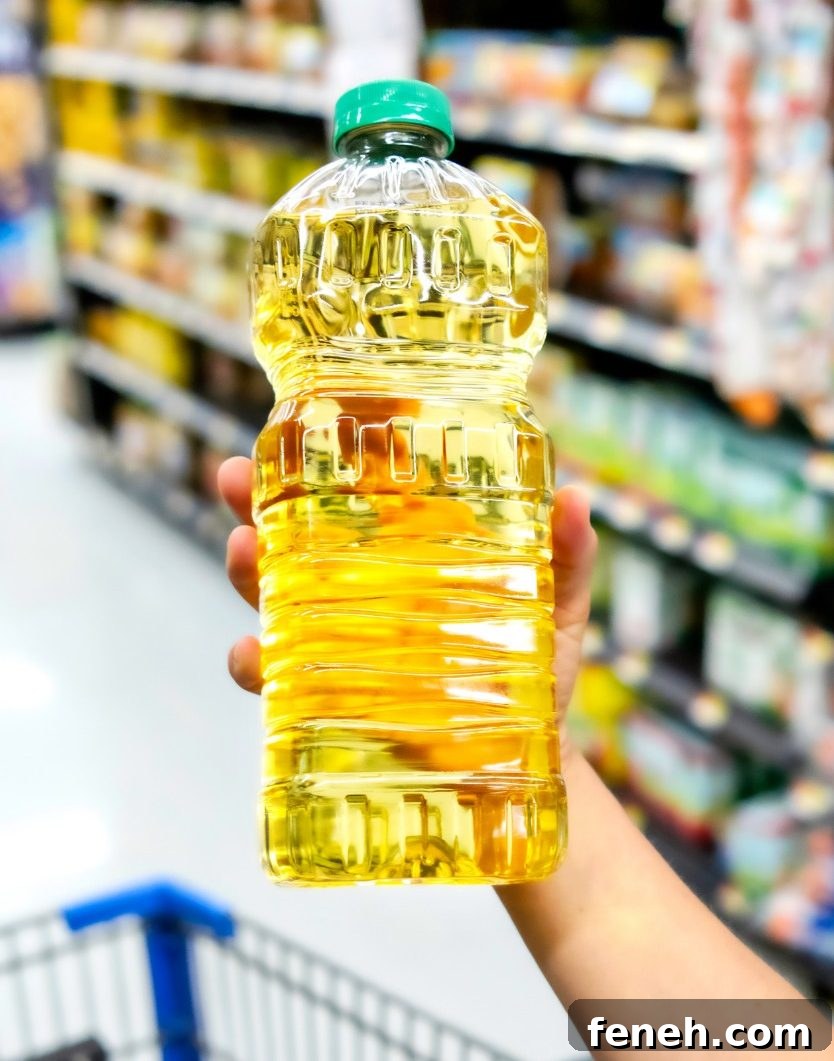
IF YOU’RE BROWSING THE GROCERY AISLES AND SEE COOKING OILS IN BIG CLEAR PLASTIC BOTTLES, THAT’S YOUR SIGNAL TO KEEP WALKING!
We were raised to fear saturated fats and to choose polyunsaturated fats instead. That blanket advice overlooked important differences between processed seed oils and more traditional, less-processed fats. Rather than relying on marketing claims, consider the science around fatty acid stability, processing, and the balance of omega-3 to omega-6 in your diet.
Please note: this article is a concise overview. If you want more detailed guidance about which fats to use for cooking and how to incorporate them into a balanced diet, seek reputable resources and consult with a healthcare professional or registered dietitian for personalized recommendations.
References (for further reading):
https://www.ncbi.nlm.nih.gov/pmc/articles/PMC6196963/
https://pubmed.ncbi.nlm.nih.gov/10063298/
https://pubmed.ncbi.nlm.nih.gov/19345947/
https://www.westonaprice.org/oiling-of-america-in-new-york/
https://www.westonaprice.org/health-topics/know-your-fats/the-skinny-on-fats/
https://www.ecowatch.com/dr-mark-hyman-why-vegetable-oils-should-not-be-part-of-your-diet-1882164589.html#toggle-gdpr
https://www.ncbi.nlm.nih.gov/pmc/articles/PMC3076650/