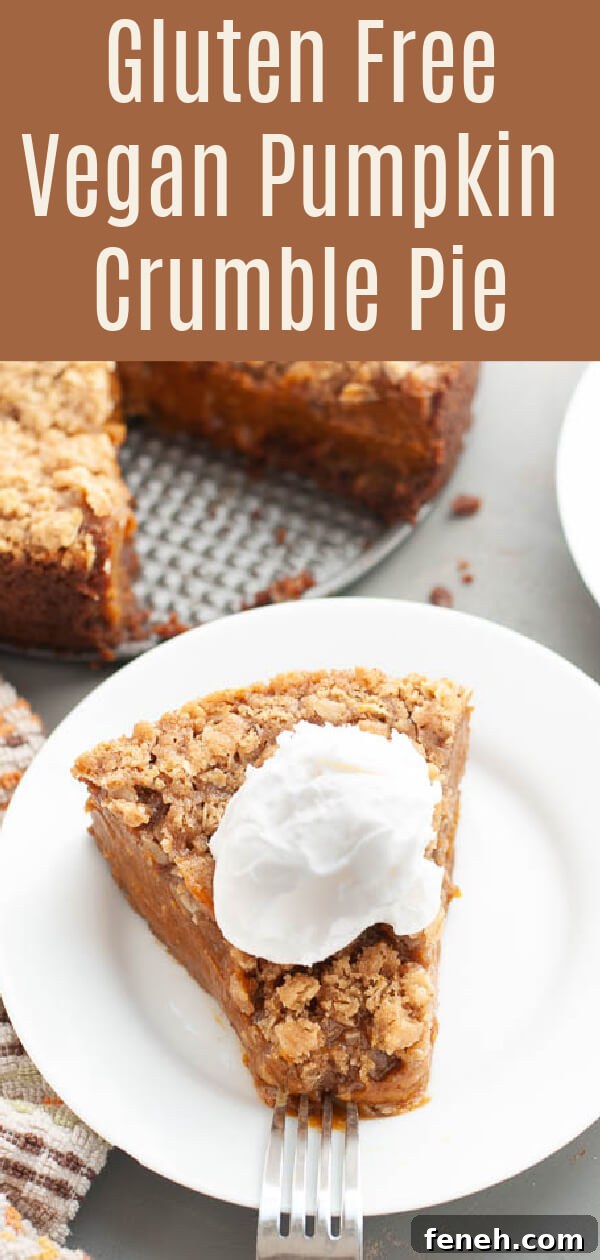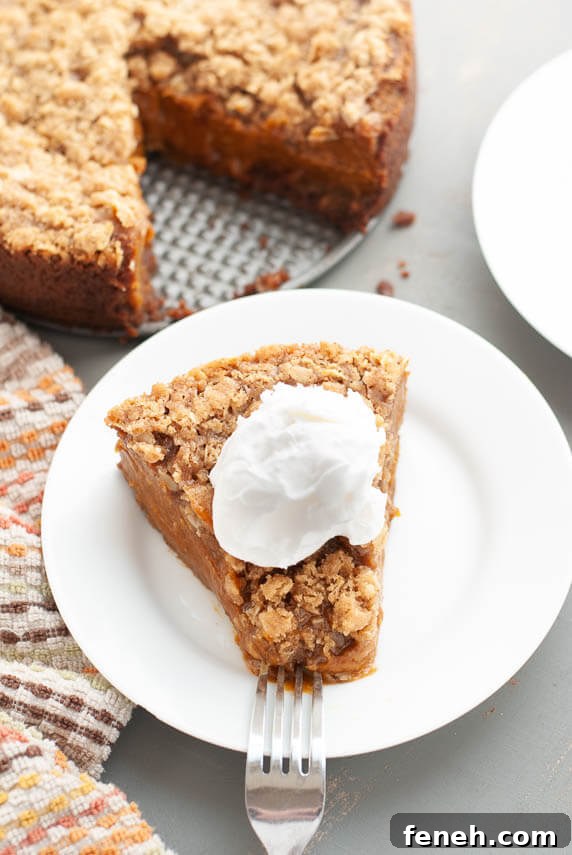
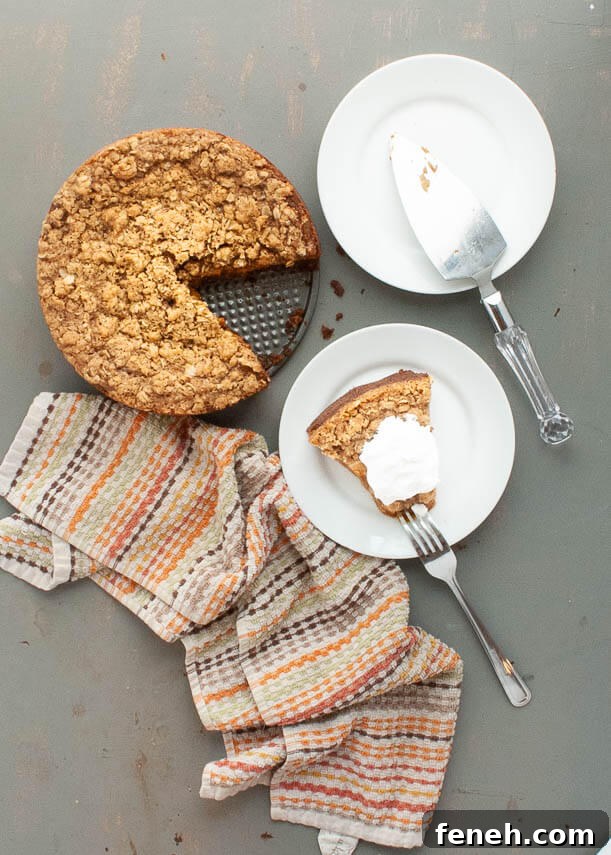
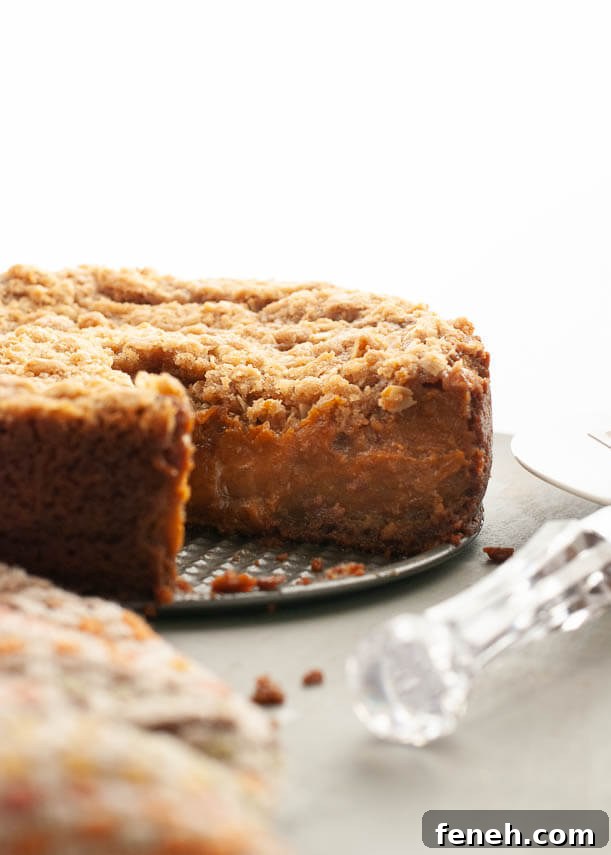
Gingersnap cookie crust, a soft custardy pumpkin filling, and a crisp oat crumble combine into three layers of autumn delight. Ideal for any fall gathering or as the centerpiece of Thanksgiving desserts, this gluten-free, vegan pumpkin crumble pie is free from wheat, dairy, eggs, peanuts, and tree nuts. A soy-free option is noted below.
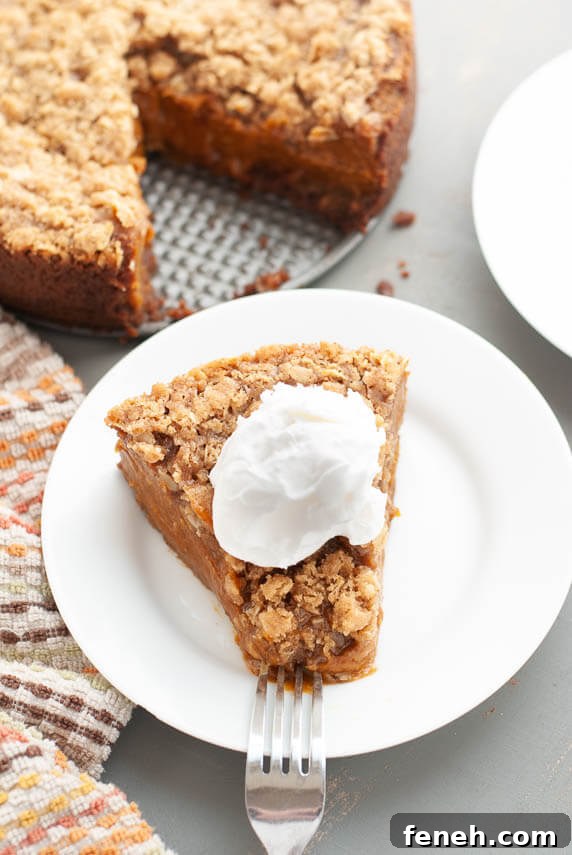
Note: this recipe contains product suggestions in the source post.
Why this vegan pumpkin crumble pie stands out
Traditional pumpkin pie can feel dull: a flaky crust and a dense, gelatinous filling with little contrast in texture. This version reimagines pumpkin pie by adding bold flavor and pleasing textures in every bite. The crust is made from spiced gingersnap cookies so each slice is infused with cinnamon and ginger. The filling is custardy and soft—more like a creamy pumpkin pudding than a solid custard—while still holding its shape. Finally, the oat and brown sugar crumble on top adds a crunchy, caramelized finish that balances the smooth filling. The result is a layered dessert that feels both familiar and exciting.
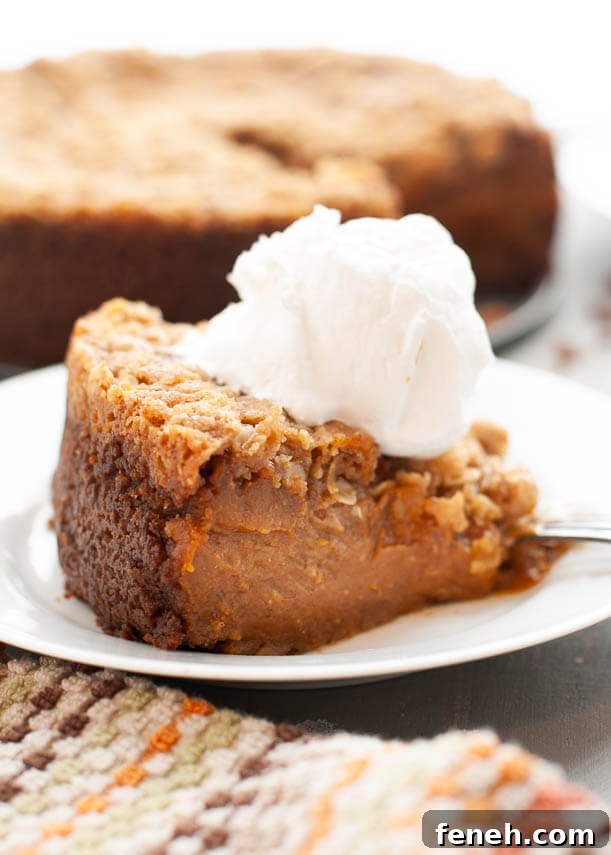
Making the pie gluten free
To keep this pie gluten free, use certified gluten free gingersnap cookies for the crust and certified gluten free old-fashioned rolled oats for the crumble. If you don’t require gluten free ingredients, you can substitute regular gingersnaps and rolled oats with the same quantities. Old-fashioned rolled oats work best for texture.
How the recipe stays vegan
This pie uses dairy-free substitutions so it remains fully vegan. Canned full-fat coconut milk gives richness to the filling, while vegan butter is used in both the crust and the crumble. If you can tolerate dairy, you may substitute regular heavy cream or whole milk in place of coconut milk and use butter instead of vegan butter. If eggs are acceptable, you could replace the flax binder with three eggs, but the recipe is designed to set with flax meal so the eggless method yields a reliably soft, custardy texture.
Starch alternatives for the filling
Cornstarch helps this eggless filling thicken and set. If you prefer not to use cornstarch, arrowroot powder can be substituted at an equivalent ratio. Both create a smooth, thickened custard without changing the flavor.
Flour options for the crumble
Use a gluten free flour blend that you trust; blends based on rice flour, potato starch, and tapioca starch work well. Commercial blends that include xanthan gum are fine here because the crumble does not need to rise. If you prefer a homemade blend, use a mix you know performs well in baked goods. Nut flours are not recommended for this recipe if you need to avoid tree nuts.
Soy-free and top-8-free adjustments
If you need a soy-free version, choose a cookie base that is certified free of soy and the top allergens. Some allergy-friendly sugar cookies or similar plain cookies can stand in for gingersnaps; add 1 tsp cinnamon and 3/4 tsp ground ginger to mimic the gingersnap flavor. Adjust the crust ingredient choices to match the allergies you are managing.
Crust and crust alternatives
I prefer a cookie crust for ease: no rolling, chilling, blind baking, or pie weights. If gingersnaps are unavailable, graham-style crackers or other sturdy cookies can work at the same weight. If you want a classic baked pie crust and can tolerate dairy, a gluten free baked pie crust will also work, though the soft-set filling may need support; in that case a deep dish or individual servings in glasses work nicely.
Sweetener and sugar-free thoughts
This recipe relies on brown sugar for the rich caramel notes in the filling and crumble. While coconut sugar may work as a substitute in some cases, I don’t recommend switching to liquid sweeteners like maple syrup because of the added moisture; sugar-free conversions are not recommended without additional testing.
Storage and serving suggestions
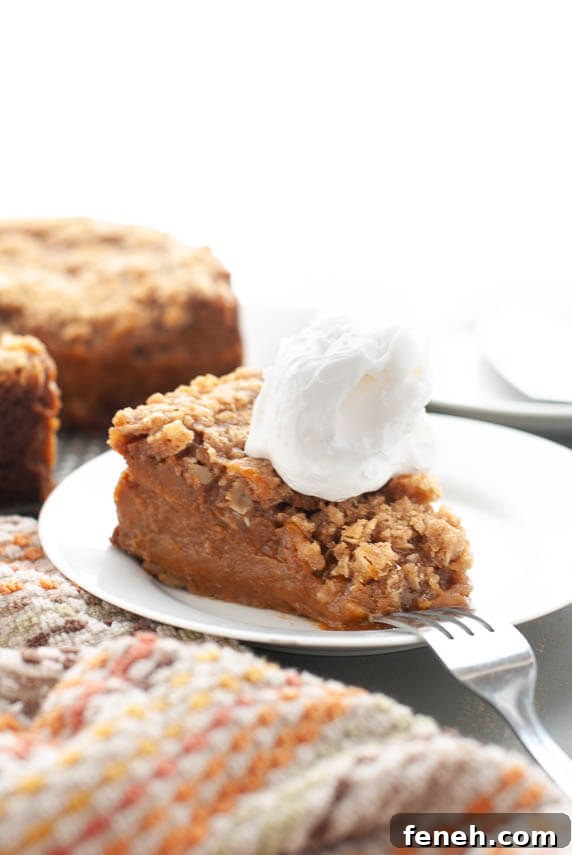
After the pie cools to room temperature, cover it and refrigerate. Chilling overnight or for at least four hours produces the best set. Store refrigerated for 2–3 days. Serve plain or with a scoop of vegan vanilla ice cream, store-bought coconut whipped topping, or homemade coconut whipped cream for a luxurious finish. Plant-based heavy whipping creams from some brands also whip nicely if you prefer a dairy-free whipped topping alternative.
Fresh pumpkin versus canned
This recipe was developed using canned pumpkin puree (not pumpkin pie filling). If you wish to use fresh pumpkin puree, you may need to adjust moisture and cooking times; canned pumpkin provides consistent texture and flavor.
Other allergy-friendly pies to try
If you enjoy this gluten free vegan pumpkin crumble pie, consider trying other allergy-friendly pies such as vegan chocolate pie, fruit pies adapted for dietary restrictions, or gluten free tart variations. Holiday menus designed for food allergies can include mains, sides, and multiple dessert options so everyone can share the same table with confidence.
Ingredients (summary)
- Gingersnap cookie crust made from spiced cookies and vegan butter
- Creamy pumpkin filling: pumpkin puree, canned full-fat coconut milk, vanilla, water, cornstarch (or arrowroot), brown sugar, pumpkin pie spice, cinnamon, salt, ground flax meal
- Crumble topping: gluten free flour, old-fashioned rolled oats, cinnamon, salt, brown sugar, chilled vegan butter
Basic instructions (overview)
Preheat oven and prepare an 8-inch greased springform or 9-inch pan. Process cookies with vegan butter and press into the pan for the crust. Whisk wet filling ingredients, add dry ingredients, then pour over crust. Combine crumble ingredients by hand and set aside. Bake the pie for an initial period, add the crumble, then bake until mostly set. Cool to room temperature, then chill until fully set—overnight is ideal. Serve chilled with whipped topping or ice cream if desired.
Save this recipe for your holiday planning and enjoy a flavorful, allergy-friendly pumpkin crumble pie that guests with and without food restrictions will love.