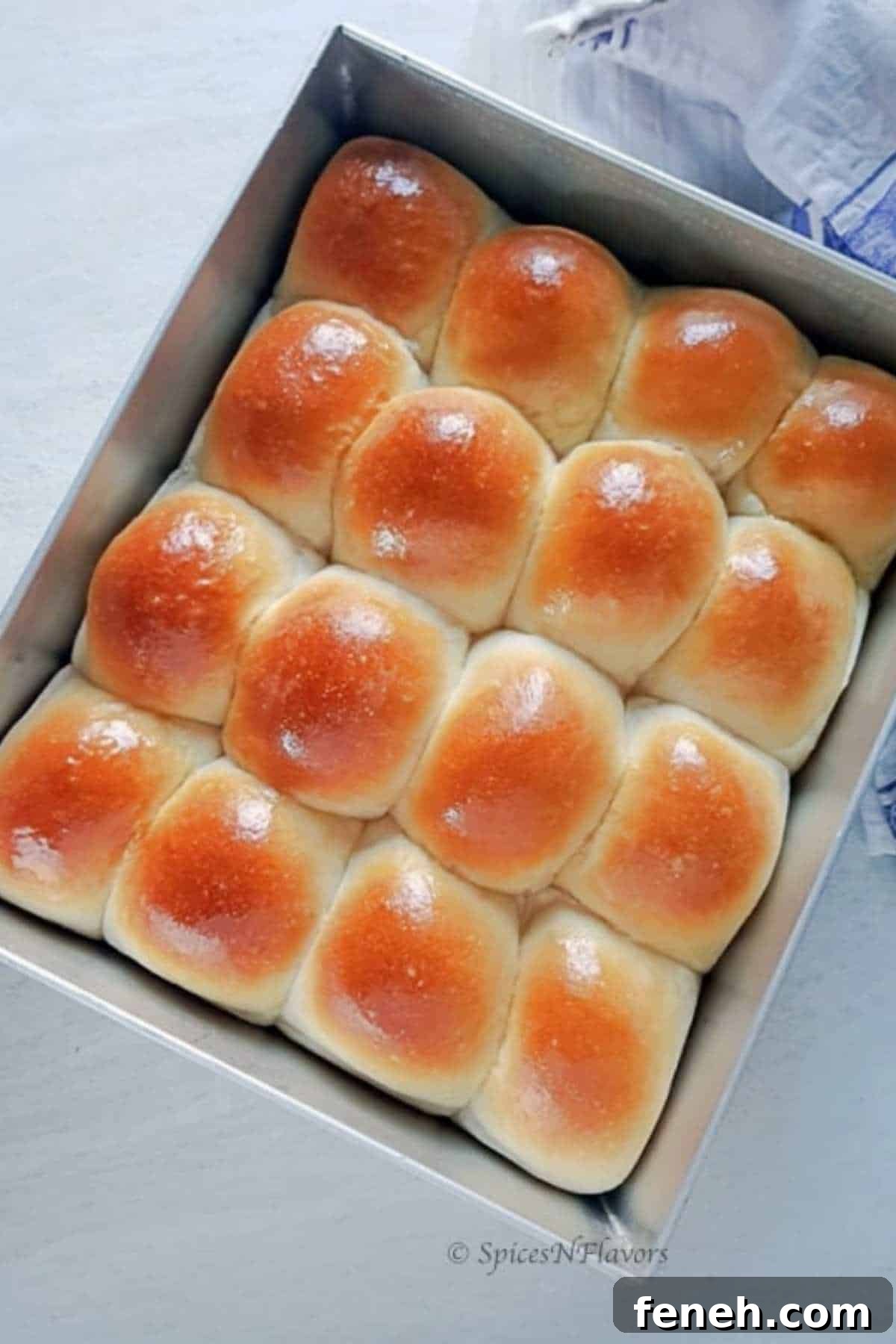
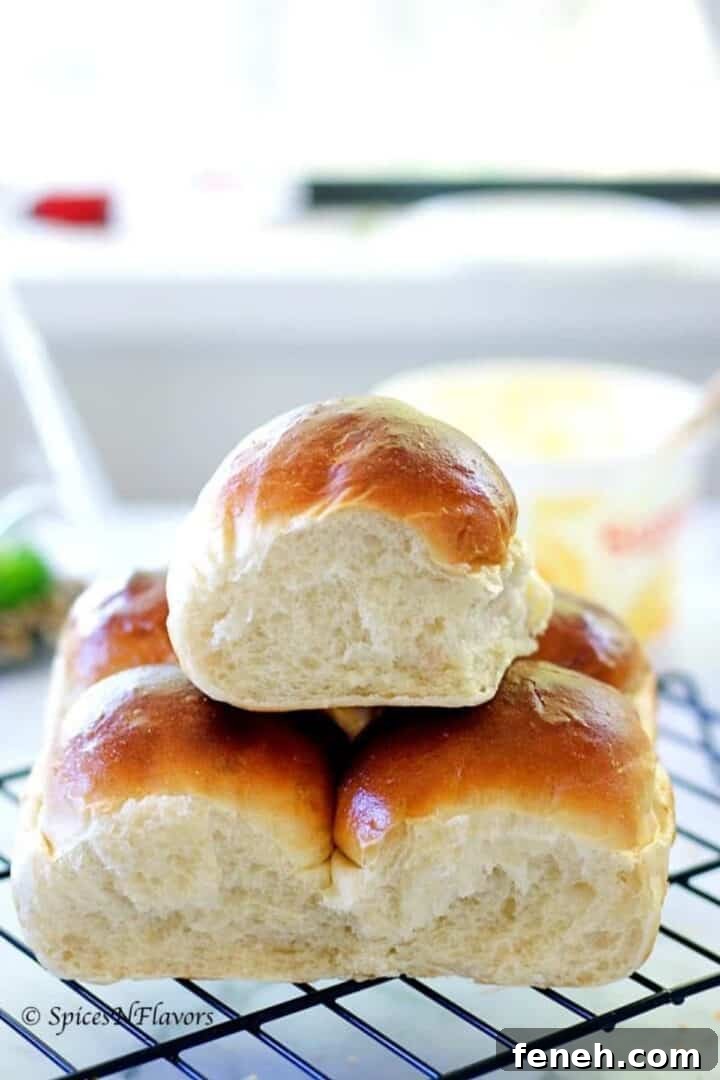
Soft, light, fluffy and rich — these Ladi Pav (homemade dinner rolls) are irresistibly good and will have you coming back for more.
This post covers the Ladi Pav recipe and five common mistakes that can ruin your homemade pav experience, plus detailed tips to get bakery-style results at home.
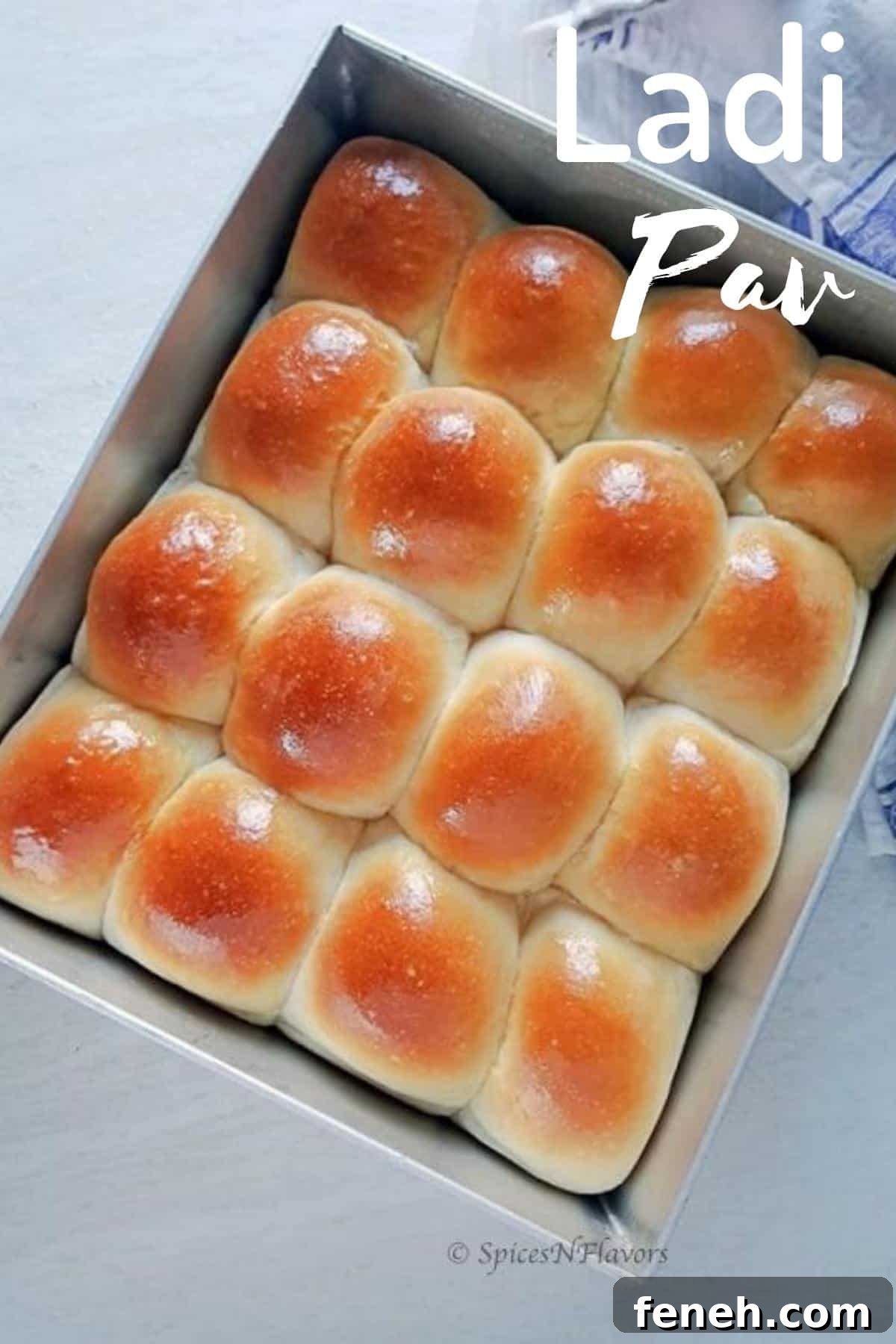
Who doesn’t love the aroma of freshly baked bread?
What is Ladi Pav?
“Ladi” means a row or group, and “pav” refers to bread in Hindi. Ladi Pav are a series of small rolls baked together so their sides touch, similar to American dinner rolls. They are typically lighter and less sweet than some US-style rolls. This recipe is simple, eggless, and versatile — you’ll find yourself making it often.
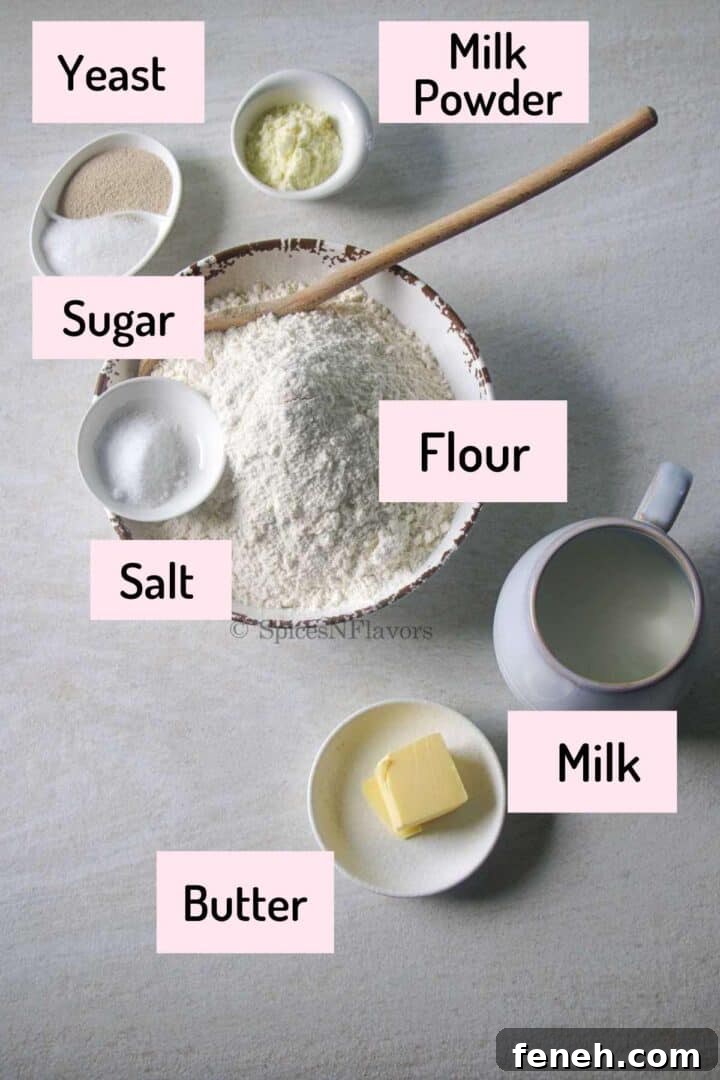
Ingredients needed
Ingredient notes
- Milk powder: Use unsweetened full-fat milk powder to enrich the dough.
- Yeast: Instant yeast is convenient because it can be mixed with the dry ingredients. Active dry yeast should be activated in lukewarm liquid beforehand. If using fresh yeast, use about three times the weight called for by dry yeast.
- Milk: Water can replace milk, or use a 50:50 milk-to-water ratio. Milk yields richer, softer pavs.
Step-by-step tutorial
Step 1: Prepare the dough
In a mixing bowl combine salt, plain flour, milk powder, sugar and yeast. Mix briefly, then add lukewarm milk to bring the ingredients together.
Work the mixture with a spatula until it starts coming together, then switch to your hands and transfer to a lightly floured work surface to knead. The dough may feel slightly dry before the fat is incorporated; add 1–2 tablespoons more lukewarm milk if needed.
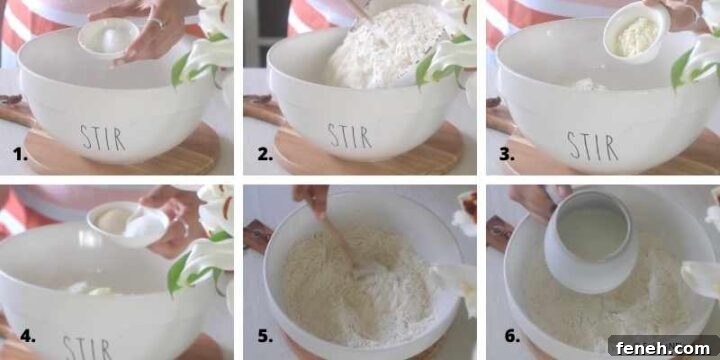
Knead for about 10 minutes, then add softened butter and continue kneading until the dough comes together and becomes tacky and hydrated. This delayed-fat method helps create a soft, open crumb.
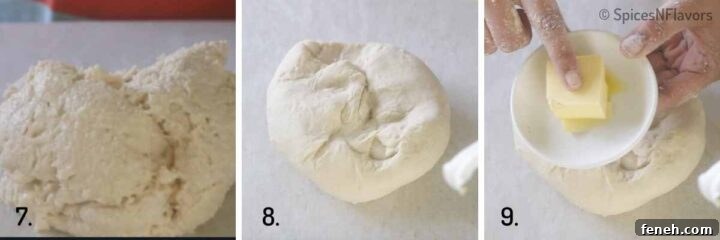
The final dough should be slightly tacky and moist. If it feels dry, add a few more tablespoons of lukewarm milk. Kneading is easier in a stand mixer; see the instructions below if using one.
How to knead dough in a stand mixer
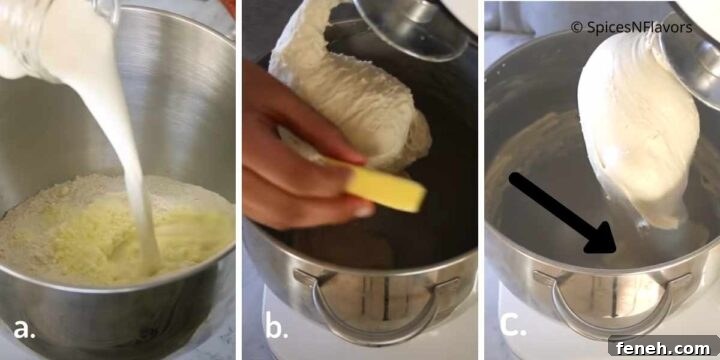
Add the dry ingredients to the mixer bowl, pour in the milk and knead for about 6 minutes. Add the softened butter and knead for another 4 minutes. The dough should cling to the bowl base slightly when the hook is lifted.
Step 2: First proofing
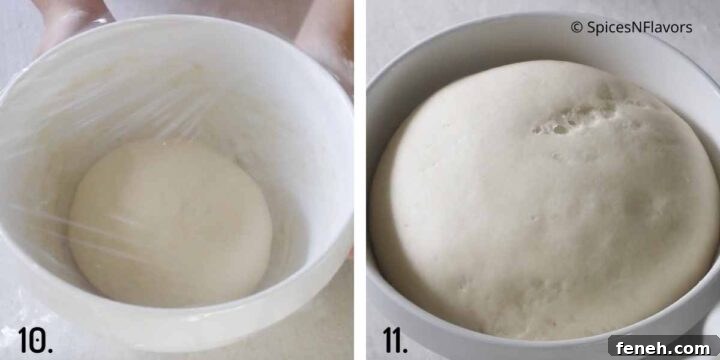
Oil the bowl, place the dough inside and coat its surface with a little oil to prevent drying. Cover with cling wrap or a clean tea towel and let it proof at room temperature until doubled in volume — about 90 minutes, depending on your kitchen temperature.
Step 3: Shaping
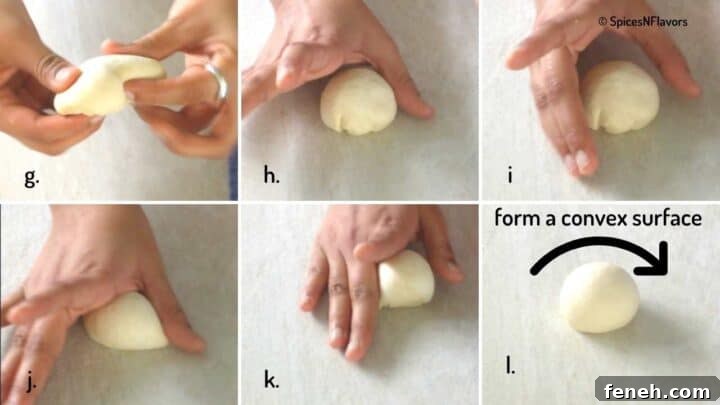
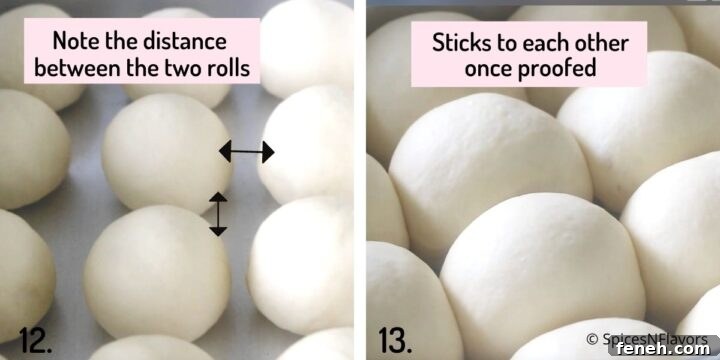
Punch down the risen dough to release gases. Weigh and divide the dough into equal pieces for uniform rolls — this recipe makes 12–16 pavs depending on pan size; 16 is a common choice. Tuck the edges under to form a smooth round, then tighten the surface by cupping with your hand, pushing with the thumb and rolling with the fingers to create surface tension. Place each roll close to the next in a greased baking pan so they touch.
Allow the shaped rolls to proof a second time until they have doubled and are touching their neighbors — usually 30–45 minutes in warm weather, longer in cooler conditions.
Step 4: Baking
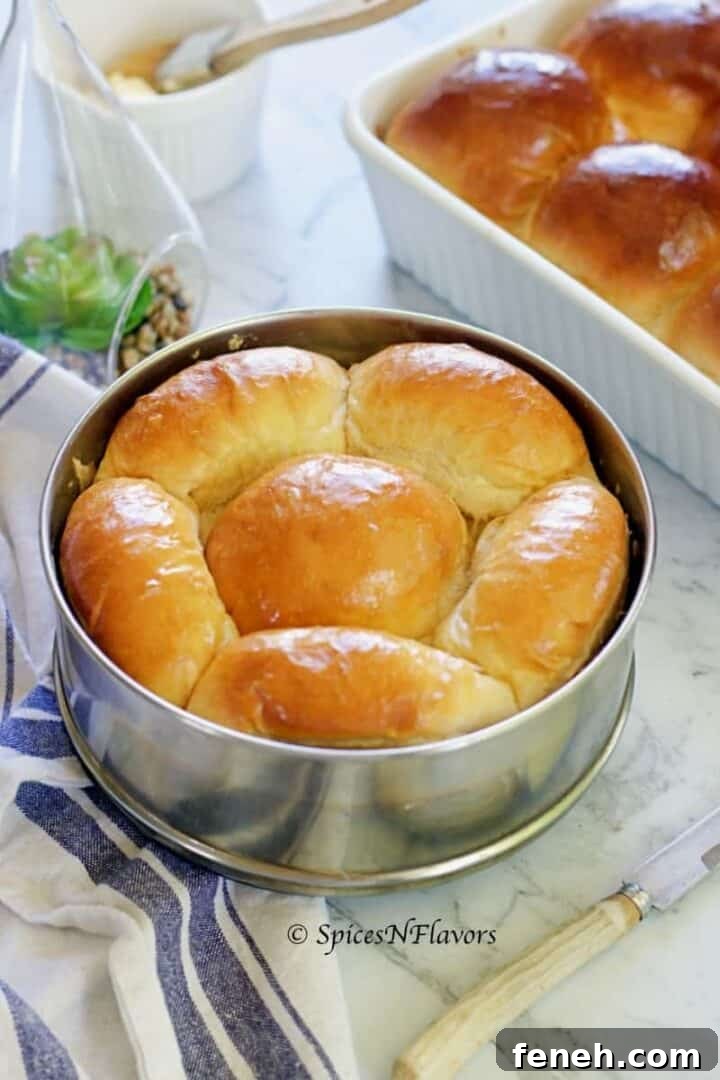
If you prefer a darker, more caramelized crust, brush the tops with milk before baking. Many find the dough’s milk and butter already give a pleasant pale golden finish without a wash. Bake in a preheated oven at 200°C (392°F) for 18–25 minutes until light golden. Remove from the oven, brush with butter for a soft shiny top, let rest in the pan 5 minutes, then invert onto a wire rack to cool.
Cooker or Kadahi method
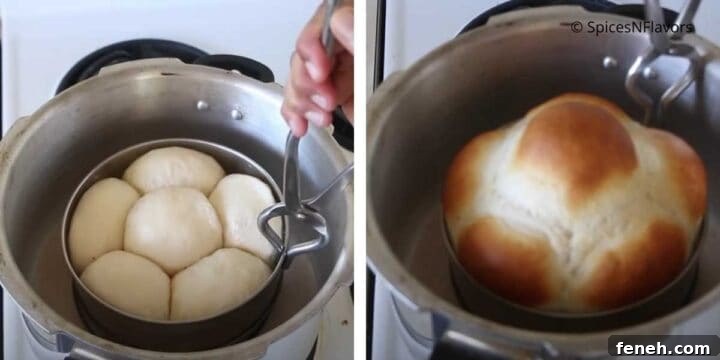
To bake in a stovetop cooker: place some salt in the base, set a trivet, and preheat on medium-high for 12–15 minutes without the gasket. Place the pan with proofed pavs on the trivet, reduce to medium heat and cook for 16–20 minutes until golden. If a hump forms on the top, press it gently with a towel while warm to even the surface.
5 mistakes to avoid (pro tips)
Mistake 1: Dough doesn’t rise properly. Salt or butter added directly to the yeast can slow or kill yeast activity. Mix salt with flour and add butter only after initial kneading (about 6–10 minutes). Also avoid using very hot liquid, which can kill yeast.
Mistake 2: Dry pavs. Adding too much flour while kneading will dry the dough. Instead, grease the work surface lightly or add small amounts of lukewarm milk to reach a hydrated, tacky dough.
Mistake 3: Not enough hydration. A well-hydrated dough yields softer rolls. Don’t hesitate to add the extra 2–4 tablespoons of lukewarm milk if needed. In a stand mixer, a blob of dough should cling to the bowl when you lift the hook.
Mistake 4: Poor shaping. To achieve a smooth top, tighten each roll by tucking the edges under and rolling to create surface tension. This prevents bumps or uneven tops after baking.
Mistake 5: Incorrect placement in pan. Place the rolls close together so they touch during proofing and baking; this keeps the sides soft and yields the classic ladi pav texture.
General tips
- If using active dry yeast, activate it first in lukewarm milk and sugar; do not proceed unless it froths.
- Always preheat your oven — bread needs to hit a hot oven for good oven spring.
- Keep dough covered throughout to prevent drying while proofing, dividing and shaping.
- Remove rolls from the pan after 5 minutes and cool on a wire rack to prevent a soggy base from condensation.
Recipe FAQs
If the oven wasn’t preheated or the internal temperature was off, rolls can bake unevenly and retain a yeasty smell. If this persists, reduce the yeast amount slightly.
They are similar: both are yeast-based rolls. Ladi Pav tend to be lighter and less sweet. Preparation is comparable; some dinner roll recipes include eggs, but this Ladi Pav recipe is eggless.
Ensure the dough is well hydrated, avoid adding excess flour while kneading, and avoid over-high oven temperatures that can dry the crumb.
Enrich the dough with milk, milk powder or an egg (for non-eggless versions). Proper hydration, delayed fat incorporation and adequate kneading also help produce a soft, airy crumb.
Possible causes: salt or butter added too early, using hot liquid that killed yeast, too much flour, insufficient kneading or oven running too hot. Follow the tips above to correct these issues.
Other basic bread recipes
- Basic everyday white bread recipe
- No-maida bread (semolina bread)
- Tiger bread
- Whole-wheat burger buns
- Bread-machine dinner rolls
Love baking? Subscribe to the newsletter and the YouTube channel for more recipes and baking tips. Follow the author on social media for updates and variations.
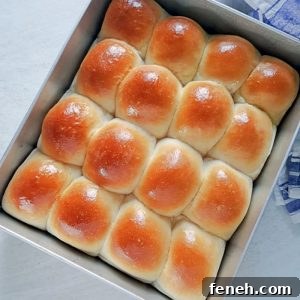
Ladi Pav Recipe – Eggfree Dinner Rolls
Equipment
- Measuring cups and spoons
- Kitchen scale
- Mixing bowls and spatula
- Stand mixer (optional)
- Instant Pot (optional)
Ingredients
- 10 g (1 tsp) salt
- 480 g (4 cups) plain flour
- 15 g (1.5 tbsp) milk powder
- 15 g (1 tbsp) sugar
- 8 g (2 tsp) instant yeast
- 300 ml lukewarm milk (plus 2–3 tbsp if needed)
- 28 g (2 tbsp) softened butter
Instructions
Step 1 – Prepare the dough
- Combine salt, flour, milk powder, sugar and yeast. Add lukewarm milk and mix into a dough.
- Knead for about 10 minutes, add softened butter and knead for another 8–10 minutes until the dough is tacky and hydrated. Add extra milk if needed.
Kneading in a stand mixer
- Add dry ingredients, pour milk and knead for 6 minutes. Add butter and knead another 4 minutes. Dough should cling slightly to the bowl when lifted.
- Place dough in an oiled container and let it proof until doubled (about 60–90 minutes).
Step 2 – First Proofing
- Oil the bowl and lightly oil the dough surface, cover and let it proof for 90 minutes at room temperature.
Step 3 – Shaping
- Punch down the dough, divide into 14–16 equal parts. Shape each piece into tight rounds by tucking edges under and rolling to create surface tension.
- Place shaped rolls close together in a greased pan and proof until doubled and touching (about 30–45 minutes).
Step 4 – Baking
- Bake in a preheated oven at 200°C for 18–23 minutes until light golden brown. Let rest 5 minutes in the pan, then transfer to a wire rack to cool.
Cooker method
- Put salt in the cooker base, place a trivet and preheat on medium-high for 10–15 minutes. Put the pan inside, reduce to medium and cook 16–20 minutes until golden and hollow-sounding at the base.
Video
Notes
- Water alone will bind the dough, but milk and milk powder enrich it for a softer roll. Omit milk powder if unavailable.
- Total milk used is 300 ml; the extra 2–3 tbsp is to adjust hydration. Aim for a moist, tacky dough for soft buns.
- If using active dry yeast, bloom it in lukewarm milk with a pinch of sugar for 10–15 minutes. If it doesn’t froth, discard and use fresh yeast.
- A milk or egg wash is optional; the dough’s fats usually give a pleasant pale golden top. Use a wash if you prefer more color.
- Always preheat the oven for best oven spring and even baking.
- Keep dough covered at all times to prevent drying while proofing, dividing and shaping.
- You can use this recipe for burger buns (space them apart while proving) or add purees like beetroot or spinach for colored pavs.
- Warm buttery rolls are best served fresh, but you can reheat wrapped in foil at 300°F (150°C) for 10–15 minutes.
- Uniform roll size ensures even proofing and baking and gives a professional look.
Word of caution
If doubling the recipe and proofing in an Instant Pot, avoid using the sealed lid; use a glass lid or plate since the dough can expand and interfere with the pot’s vent.
Nutrition
Originally published on Dec 12, 2017. Edited on Sep 02, 2020 to add step-by-step images and improved tips.
SpicesNFlavors participates in the Amazon Affiliate Program. If you choose to purchase via affiliate links, the price you pay does not change but the site may earn a small commission that helps maintain content and recipes.